People hosting a TV night
If several guests will be sharing the same jar, work out how much you’ll need for the evening and when you might use up the rest.


For sharing chocolate spread during a TV night, choose a jar size that suits how much you expect to use. For a lunchbox, check whether the product comes in individual portions and how many are included in the pack: a small jar won’t necessarily do the job. In either case, check the ingredients, allergens and nutritional information for the exact product.
If several guests will be sharing the same jar, work out how much you’ll need for the evening and when you might use up the rest.
Easy transport and portioning matter more than the size of a family jar. Before packing a lunchbox, also check the ingredients and allergens for the product you’ve chosen.
Comparing sugars, saturated fat and salt per 100 g makes it easier to assess different recipes on a like-for-like basis. According to the DGCCRF, displaying the Nutri-Score is voluntary in France.
First decide whether you’ll mainly share the spread at home or take it along in a lunchbox. The product’s packaging and ingredients can then help you choose between the options.
| Criteria | What to check | Who is it for? |
|---|---|---|
| Amount for sharing | The net weight of the jar and when you expect to use its contents. | When several people help themselves at home, the priority is choosing an amount that’s suitable for sharing; around 40% of consumers put this first. |
| Portioning and transport | Whether individual portions are specified and how many units are in the pack. | For a lunchbox, I want to take a separate portion rather than a jar to share; this is the priority for around 30% of consumers. |
| Occasional use | A format that suits how often you’ll enjoy it, without mistaking a small jar for an individual portion. | If I only use chocolate spread occasionally, my main concern is avoiding a jar that’s too large for how I’ll use it; around 20% of consumers prioritise this. |
| Ingredients and allergens | Nutritional values per 100 g, the ingredients list and any highlighted allergens. | Before serving several people, I want to be able to check the recipe and identify any allergens in the exact product; this is the main priority for around 10% of consumers. |
As the DGCCRF explains, nutrition labelling is compulsory for most prepacked foods in France. Where it appears on the packaging, the Nutri-Score offers additional information, but it doesn’t replace checking the ingredients and nutritional values.
Carrefour, Auchan and Aldi catalogues feature jars in different sizes. A small jar isn’t necessarily a ready-to-pack lunchbox portion.
If easy transport is your priority, look for a clear indication that the product contains individual portions and check how many there are. Otherwise, plan to use a suitable food container.
The DGCCRF explains that displaying it is voluntary in France. Its absence doesn’t, on its own, tell you how the recipe compares.
Read the nutritional values per 100 g, particularly for sugars, saturated fat and salt, as well as the ingredients list.
Recipes vary from one product to another. According to the DGCCRF, allergens must be highlighted in the ingredients list of prepacked foods.
Check the label on the exact product before serving it, especially if someone with an allergy will be eating with you.
Hazelnut and cocoa spread available in several jar sizes in the Carrefour, Auchan and Aldi catalogues.
The range includes a 750 g hazelnut spread in the Carrefour catalogue.
These Auchan products include chocolate spreads in jars; Auchan lists a 400 g organic cocoa and hazelnut spread in particular.
E.Leclerc lists a 750 g ECO+ hazelnut-flavoured spread, with a Nutri-Score of E stated for this specific product.
Aldi’s range includes a 750 g Tartichoc hazelnut spread and a 400 g Cucina milk and hazelnut spread.
These products include jars for sharing or more occasional use, as well as a 25 g portion to consider for a lunchbox. If you’re looking for several portions in one pack, check the exact packaging.
 Image unavailable
A jar to consider if several people regularly enjoy chocolate spread at home. It has a net weight of 1 kg; for a lunchbox, use a separate container and check the allergens on the label.
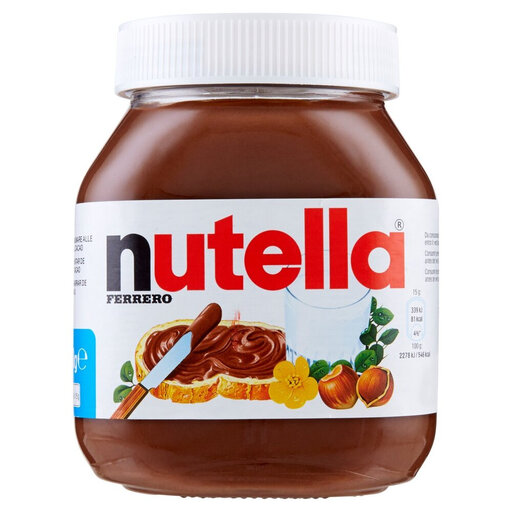 Image unavailable
This jar is worth considering for several occasions at home if you don’t need the 1 kg size. It contains 630 g; if you’d like to prepare portions to take with you, check the packaging and use a suitable container.
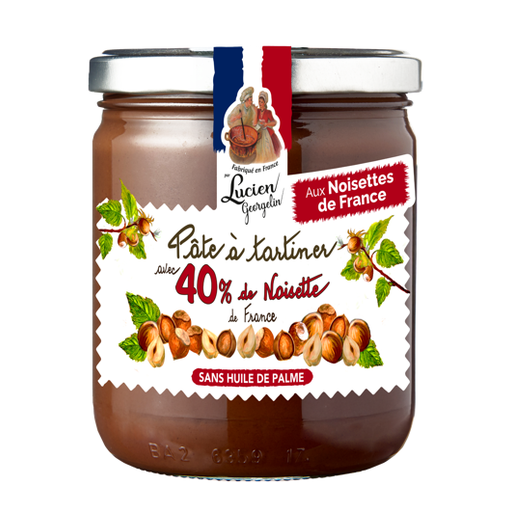 Image unavailable
The 400 g jar is worth considering if you’d prefer a more modest amount for occasional use. The product name states that it contains 40% hazelnuts; check the label for allergens and storage instructions once opened.
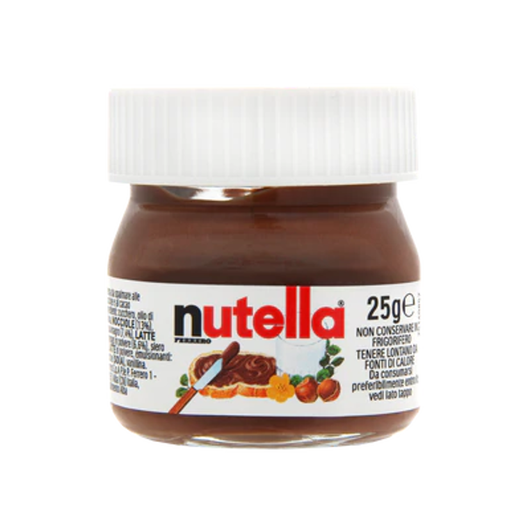 Image unavailable
The 25 g format is handy when you need a small portion to take with you. If you’re looking for a multipack for several lunchboxes, check how many units are included, as well as the ingredients and allergens for the exact product.
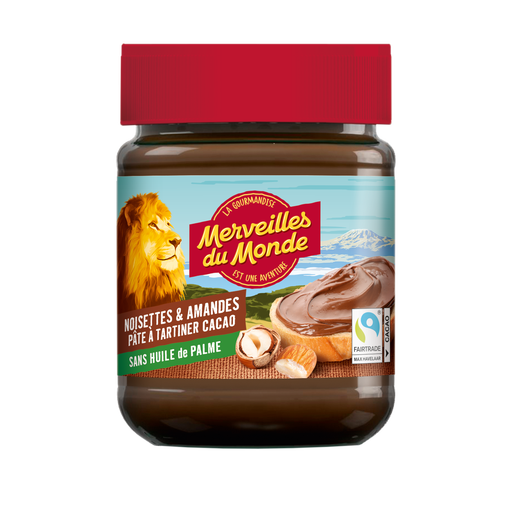 Image unavailable
The 340 g jar offers a moderate amount for sharing now and then. Check its ingredients list and allergens before serving; this jar format isn’t an individual lunchbox portion.
No. The DGCCRF says that displaying the Nutri-Score is voluntary. Nutrition labelling is still compulsory for most prepacked foods, so you can check the values per 100 g.
Before serving, read the ingredients list and check the highlighted allergens on the packaging of the exact product. Don’t assume that one jar has the same ingredients as another recipe, even within the same brand.
Start by comparing the quantities with how often you expect to enjoy the spread: a larger jar makes most sense if you’ll use all of it. To compare two recipes, check their nutritional values per 100 g rather than comparing whole jars of different weights.
It’s better suited to separate portions only if the pack actually contains several individual portions. Check this information and the number of units on the exact product; several small jars or a single portion sold on its own may not be the multipack you’re looking for.