Hosts planning a sharing buffet
You’re preparing toast or crêpes at a shared serving station and want a jar that suits the amount you’ll need, rather than several smaller containers.


For a buffet with a serving station, choose the jar size according to how much you need to serve, and provide clean utensils. A shared jar is no substitute for sealed individual portions. Then compare allergens, ingredients and nutritional values per 100 g. If a Nutri-Score is shown, you should still read the label.
You’re preparing toast or crêpes at a shared serving station and want a jar that suits the amount you’ll need, rather than several smaller containers.
You’re serving a group whose dietary requirements aren’t all known. The ingredients list and any ‘may contain’ warnings on the jar matter just as much as its size.
You want to check the sugar, hazelnut content or oil used before choosing, even if several jars weigh the same.
For a festival or occasion where you’ll be sharing food, first decide how you’ll serve it and how much you’ll need. Then check that the recipe suits your guests, followed by the storage instructions during and after the event.
| Criterion | What to check | Who it matters to |
|---|---|---|
| Quantity and serving | Net weight, whether individual portions are included and whether you can set up a serving station. | If I’m serving a group from a buffet, I want to make sure there’s enough product without opening lots of jars. Around 30% of shoppers may put quantity and serving arrangements first. |
| Allergens and dietary requirements | Ingredients, highlighted allergens and any ‘may contain’ warnings on the jar being served. | When guests have different dietary requirements, I need to know which recipe I can offer to each person without assuming that ‘lactose-free’ means ‘nut-free’. Dietary suitability may be the top priority for around 30% of shoppers. |
| Ingredients and nutritional values | Sugars and fat per 100 g, ingredients and hazelnut content where stated. | If I’m choosing between several recipes, I want to compare their ingredients and nutritional values on the same basis, not just the claims on the front of the pack. Around 20% of shoppers may prioritise this comparison. |
| Storage and leftovers | Storage instructions for the specific product, the date shown and how much is likely to be eaten. | For outdoor serving, I want to protect the jar during the event and avoid having a large amount left unused. This may be the top concern for around 20% of shoppers. |
The large sizes mentioned for this kind of buffet come in jars. The product listing for the 750 g Pouce jar specifically states that it doesn’t contain individual sachets.
Choose a jar for serving from a central station. If each guest needs a sealed portion, check that the pack you’re buying actually includes them.
A Jardin Bio Étic recipe described as lactose-free and gluten-free contains hazelnuts and carries warnings that it may contain traces of milk proteins, soya and other nuts.
If someone has an allergy, read the ingredients and any ‘may contain’ warnings on the packaging you’re serving. Don’t offer a recipe if you’re unsure it’s suitable.
‘Organic’, ‘palm oil-free’ and ‘reduced sugar’ describe different characteristics. Nutri-Score is voluntary in France and doesn’t replace checking the ingredients.
Compare nutritional information per 100 g and the ingredients. For a comparative claim, also check what it’s being compared with.
The instructions for several of the products mentioned say to protect them from heat, moisture or light, depending on the product.
Choose a suitable spot, close the jar between servings and follow the instructions on its own label.
A chocolate and hazelnut spread to consider if you’re looking for this particular recipe.
A range with recipes that meet different ingredient criteria. Check the exact product before comparing.
A 725 g jar to consider if the stated hazelnut content is an important factor in your choice.
A 750 g jar to consider when you can serve everyone from a shared container.
A 750 g family-size jar to compare with other sizes designed for shared serving.
These chocolate and hazelnut spread jars range from 400 g to 3 kg. Choose the size according to the number of people, how you’ll serve it and how much you’ll be able to use. They’re designed for serving from a jar, not for handing out individual sachets.
 Image unavailable
Consider the 3 kg jar for serving from a central station if the amount you’ll need makes this size worthwhile.
The description lists hazelnuts, milk and soya. Check the allergens and any ‘may contain’ warnings on the jar you’ll be serving, then follow its storage instructions.
 Image unavailable
The 1 kg jar is suitable for shared serving when you can organise distribution from one container.
The description lists hazelnuts, milk and soya. Check the label on the jar you’ve chosen, especially for ‘may contain’ warnings and storage instructions.
 Image unavailable
The 750 g jar is an option for a buffet where the spread is served from a shared station.
The description lists hazelnuts and milk. Read the label on the jar you’re serving to check all the allergens and storage instructions.
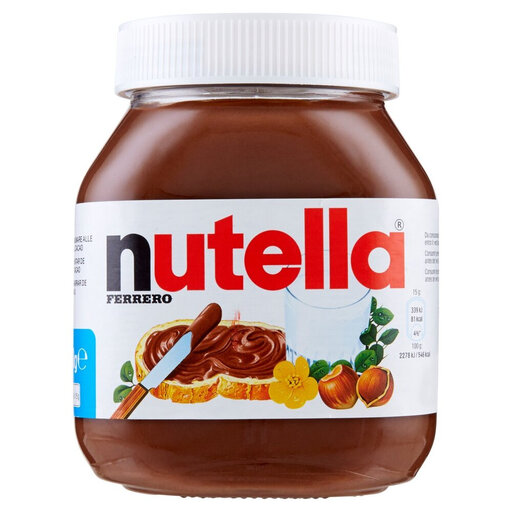 Image unavailable
The 630 g jar may suit you if you need less to share than you would for a large buffet.
The description lists hazelnuts, milk and soya. Check the allergens, any ‘may contain’ warnings and the instructions on the jar you buy.
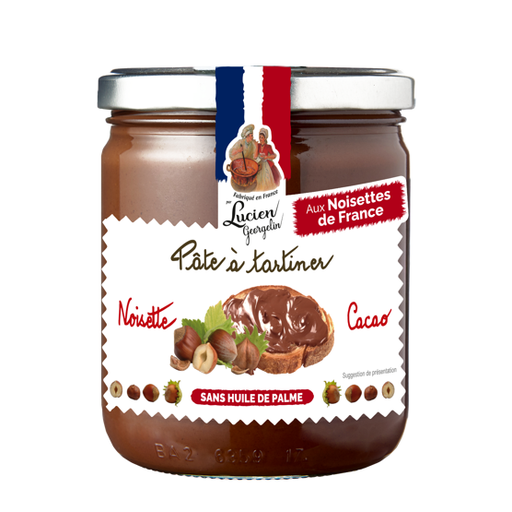 Image unavailable
Consider the 400 g jar for a smaller gathering or if you’d like to keep the quantity down.
The description lists hazelnuts and possible traces of other nuts, milk and gluten. Check the warnings on the jar before serving it to your guests.
No. The tax on sugary drinks described by the French Ministry of the Economy applies to drinks, not chocolate spread. To compare recipes, look at the ‘of which sugars’ line in the nutritional information per 100 g.
No. Nutri-Score is voluntary in France, as the DGCCRF explains. For the prepacked foods it applies to, nutrition declarations generally show values per 100 g, making it easier to compare sugars and fat on a like-for-like basis.
Keep the label from the jar you’re using easily accessible and clearly identify the recipe being served. If you decant the product or are serving it professionally, check the information requirements that apply to your serving method and event venue.
Follow the instructions on the specific jar rather than relying on a rule that applies to every recipe. The listings mentioned for some Pouce, Bonne Maman and Jardin Bio Étic products say not to refrigerate them and, depending on the product, to protect them from heat, moisture or light.