Anyone making several batches
You’re planning several cakes or fillings and want enough spread without having to open lots of containers.


If you’re making several cakes, first work out how much you’ll need and how you’ll use it. A 1 kg jar makes sense if you’ll use that amount, while a 1 kg piping bag can make filling cakes easier. If you need less, consider mid-sized packs, then compare the recipe, allergens and nutritional values per 100 g before serving your cakes.
You’re planning several cakes or fillings and want enough spread without having to open lots of containers.
You compare ingredients, allergens and nutritional information before making cakes for a group.
You want a container suited to repeated piping, rather than a jar you have to scoop from each time.
Estimate how much spread you’ll need for your cakes before choosing a container. 1 kg jars, a 1 kg piping bag that METRO France says can be used directly for piping, and packs ranging from 590 to 750 g suit different ways of working and different quantities.
| What to consider | What to check | Who is it for? |
|---|---|---|
| Quantity and container | Work out how much the recipe needs, then choose between a jar and a piping bag depending on whether you’ll be scooping or piping the spread. | If I’m making several batches, I want enough spread without opening lots of containers; volume would be the top priority for around 33% of consumers. |
| Recipe and flavour | Read the ingredients list and check the proportions of hazelnuts, cocoa or chocolate where these are stated. | To get the flavour I expect from a filling, I want to know what’s in the product I choose; around 27% of consumers would put the recipe first. |
| Allergens | Check the ingredients and any traces listed on the packaging of the product you plan to serve. | If guests have dietary restrictions, I need to make sure the filling is suitable for them; allergens would be the top priority for around 20% of consumers. |
| Nutritional information | Compare sugars and fat in particular per 100 g, and check the Nutri-Score if one is shown. | When comparing two recipes, I want to see their values on the same basis; this would be the top priority for around 20% of consumers. |
This claim tells you about one aspect of the recipe, not its sugar content. Auchan’s product listing for Nestlé Dessert 590 g states that it contains 52 g of sugars per 100 g.
Compare the nutritional values per 100 g and the ingredients for each product, regardless of your preference about oils.
According to Santé publique France, displaying the Nutri-Score is voluntary. If it isn’t shown, you’ll still need to check the nutritional information on the label.
Use the Nutri-Score when it’s available, and always compare the nutritional values and ingredients list.
The products featured may contain hazelnuts, milk or soya, among other ingredients. Some also warn that they may contain traces of other nuts or peanuts.
Ask about any dietary restrictions and check the label of the product you choose before making a cake filling to share.
Even at the same weight, the container changes how you scoop and apply the spread. METRO France describes its 1 kg Nutella piping bag as ready to use with a piping nozzle.
If you’re filling or decorating several cakes, consider the type of container. If you’ll be measuring out spread for a recipe, check whether a jar would suit you better.
1 kg options are available in both jars and piping bags for larger batches.
This Marque Repère E.Leclerc product is a 1 kg jar of hazelnut spread.
A 750 g chocolate and hazelnut option for when you need less than 1 kg.
The 590 g chocolate and hazelnut option is a mid-sized pack for a more modest amount of baking.
These 630 g to 3 kg packs are worth considering depending on how many cakes you’re planning to make. The Nutella options combine hazelnut and cocoa, while BANANIA’s cocoa and banana recipe offers a different flavour.
 Image unavailable
Worth considering if you really need this amount for several batches or fillings. Check how much you’ll need and the allergens on the packaging before serving your cakes.
 Image unavailable
A 1 kg jar suits a planned quantity of filling or several recipes. If you’ll mainly be piping the spread, also consider whether a piping bag would be easier to use.
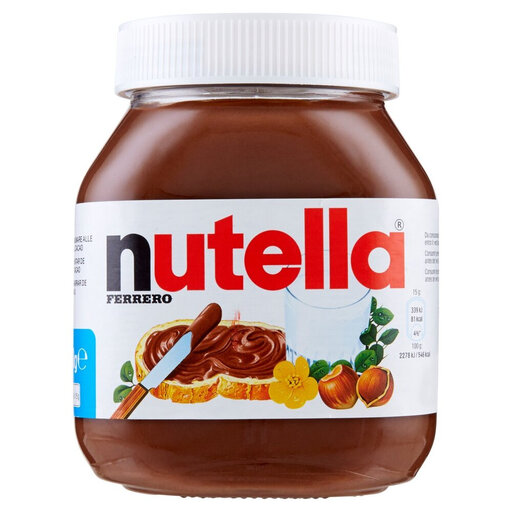 Image unavailable
This mid-sized pack could suit a recipe that needs less than 1 kg. Work out how much filling you’ll need before choosing it for several cakes.
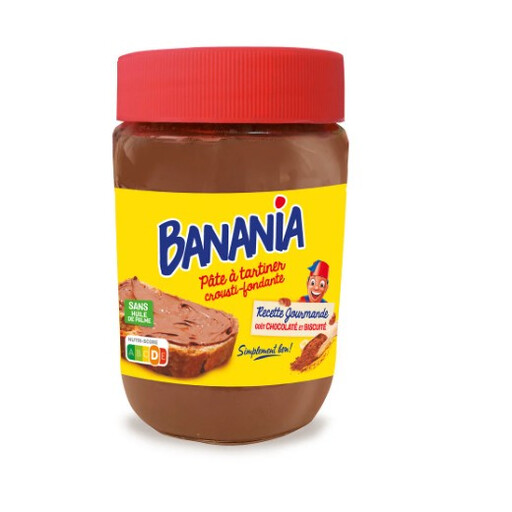 Image unavailable
This pack could suit you if 1 kg is more than you need and a cocoa and banana recipe works with the cake you’re making. It isn’t a like-for-like substitute for a hazelnut and cocoa filling.
No. The levy set out in Article 1613 quater of the French General Tax Code cited here applies to drinks, not chocolate spread. To compare two recipes, check their sugar content in the nutritional information rather than treating this tax as a factor in your choice.
No. According to Santé publique France, producers display it voluntarily. The nutrition declaration and ingredients list are still the information to check on the label, whether or not the logo is shown.
Check the allergens on the packaging of the exact spread you’ve used. The recipes featured may contain hazelnuts, milk or soya, and may warn of traces of other nuts or peanuts. The name “chocolate and hazelnut” doesn’t tell you everything about what’s in the product.
Follow the storage instructions on the packaging of the product you choose, and check its use-by date before planning your cakes. As an example specific to this product, Auchan recommends storing Nestlé Dessert 590 g in a dry place, away from heat and light, at between 17 and 23 °C.