Anyone planning several treats for two
Whether you’re sharing toast, crêpes or desserts, the net quantity can help you choose a jar that suits how much you plan to use.


For a one-off treat for two, choose an amount you expect to use and a recipe the recipient will enjoy. A large jar is better suited to regular use. Before giving someone a chocolate spread, check its ingredients and allergens, then compare the nutritional information per 100 g if you’re choosing between different recipes.
Whether you’re sharing toast, crêpes or desserts, the net quantity can help you choose a jar that suits how much you plan to use.
The ingredients list, allergens and nutritional values per 100 g make it easier to compare recipes. If it appears on the packaging, the Nutri-Score can also help you assess the product.
A flavour the recipient enjoys and a size suited to the occasion may matter more than a jar intended for lots of uses.
| What to consider | What to check | Who is it for? |
|---|---|---|
| Choosing the right amount | The net quantity and how many times you expect to use it. | If you’re planning several slices of toast or desserts, make sure you have enough spread without choosing an oversized jar. Around 46% of consumers would prioritise an amount suited to repeated use. |
| Ingredients | The ingredients, allergens and nutritional values per 100 g. | If the recipe needs to suit the recipient’s dietary preferences, the label is the best place to start. Around 36% of consumers would make the ingredients their priority. |
| Choosing a gift | The flavour they’d like and the size of the jar. | For a little Valentine’s Day treat, a familiar, much-loved flavour may matter more than a large jar. Around 18% of consumers would prioritise choosing a spread as a gift. |
According to France’s DGCCRF, displaying the Nutri-Score is voluntary in France. Its absence alone is therefore no reason to judge a chocolate spread’s labelling.
If it is displayed, use it alongside the ingredients list and nutritional values per 100 g. Don’t assume that a recipe is suitable for a particular person based on the score alone.
A spread you’re giving as a gift also needs to be suitable for the person who’ll eat it. The flavour shown on the front of the jar is no substitute for reading the label.
Ask about any allergies, then check the ingredients and declared allergens on the exact jar you’re buying.
A hazelnut and cocoa spread to consider if the recipient is looking specifically for this recipe.
Two own-brand ranges to compare, depending on the recipe and size you’re looking for.
NUSTIKAO is an E.Leclerc product to consider if you’re looking for a chocolate spread in a standard or family-sized jar.
Aldi products to compare depending on whether you’re looking for a hazelnut recipe or a different flavour.
These jars are suitable for spreading on toast or adding to desserts to share. For Valentine’s Day, choose a size that suits the amount you’re planning to use, and check the recipe before giving it as a gift.
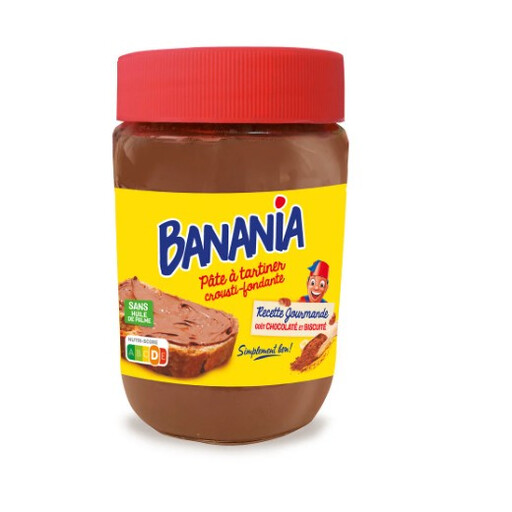 Image unavailable
The 400 g jar is worth considering for toast or desserts to share as an occasional treat. Check the ingredients and allergens on the packaging of the jar you plan to give.
 Image unavailable
This 750 g jar is worth considering if you’re planning several slices of toast, crêpes or other treats. Make sure the quantity suits your needs and check the allergens on the jar.
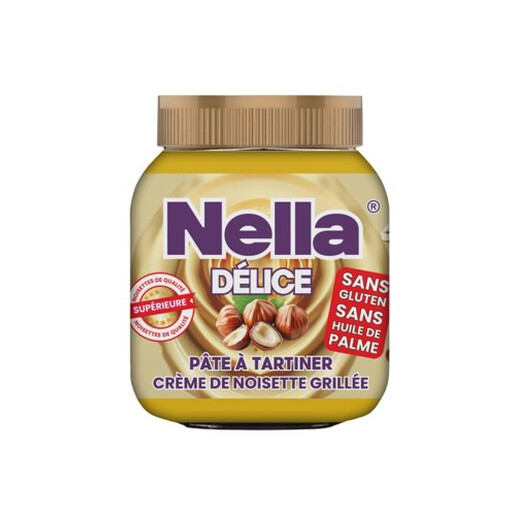 Image unavailable
The 320 g jar could suit an occasional treat if the recipient enjoys roasted hazelnuts. Check the allergens on the product you buy.
 Image unavailable
This 3 kg size is better suited to frequent use or making several treats. If you’re buying it as a one-off treat for two, make sure you’ll use the whole amount.
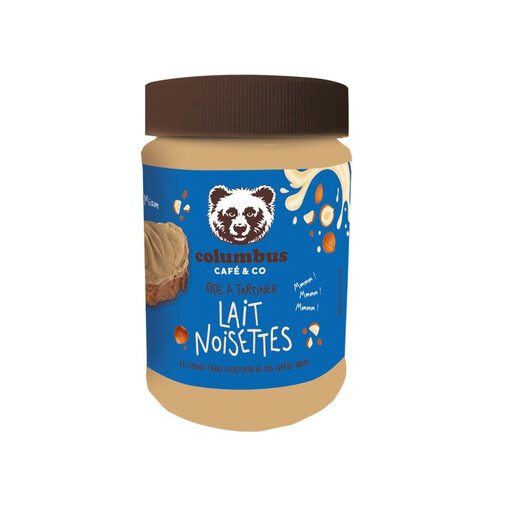 Image unavailable
The 400 g size is worth considering for toast or desserts to share. The product title mentions hazelnut, but the associated ingredients list mentions almond and not hazelnut. Check the exact recipe on the packaging before buying, especially if anyone has an allergy.
No. According to France’s DGCCRF, displaying the Nutri-Score is voluntary in France, whereas a nutrition declaration is compulsory for prepacked foods. To compare two jars, check their nutritional values per 100 g and their ingredients lists.
Match the net quantity to how often you plan to use it. A small jar may be enough for a one-off treat; a larger size makes more sense if you’re planning several slices of toast or desserts and everyone involved enjoys the recipe.
Before giving it to them and before they eat it, check the ingredients and declared allergens on the label of the exact jar. Don’t assume you know what a recipe contains just from its flavour or range name.
You can’t tell from the flavour or packaging alone. Compare the nutritional information per 100 g and ingredients lists for the specific recipes you’re choosing between.