What should you check before buying?
To choose between a chocolate bar and a box, start with how you plan to use it, then check the exact recipe. The DGCCRF says that nutritional values per 100 g make it easier to compare pre-packed foods.
| What matters to you |
What to check |
Who is it for? |
| Sugar and nutritional values |
Compare ‘of which sugars’ per 100 g for the exact recipes, then check the product’s net weight. |
For an individual break, I want to compare sugar content without relying on the colour of the chocolate alone. Around 40% of consumers would put this comparison first. |
| Allergens |
Read the highlighted ingredients and any ‘may contain’ warnings, checking each variety in a selection box. |
If an ingredient needs to be avoided, whether it may be present matters more than the choice of flavour or format. This check would be a priority for around 30% of consumers. |
| Format for a break |
Check the net weight, best-before date and storage instructions. |
Between revision sessions, I’m mainly looking for a quantity that suits my break, without having to choose from several recipes. Around 20% of consumers would put this convenient format first. |
| Sharing or giving as a gift |
Check the varieties, number of pieces and net weight; also look for any alcohol information. |
For a group or a gift, having a choice of flavours matters more than having just one chocolate bar. Sharing would be the main consideration for around 10% of consumers. |
Chocolate bars and selection boxes available on Joybuy
These products suit two different occasions: a selection of chocolates and toffees to share or give as a gift, and dark chocolate bars in different formats for an individual break. Start by choosing the format, then check the ingredients for the product you’ve selected.
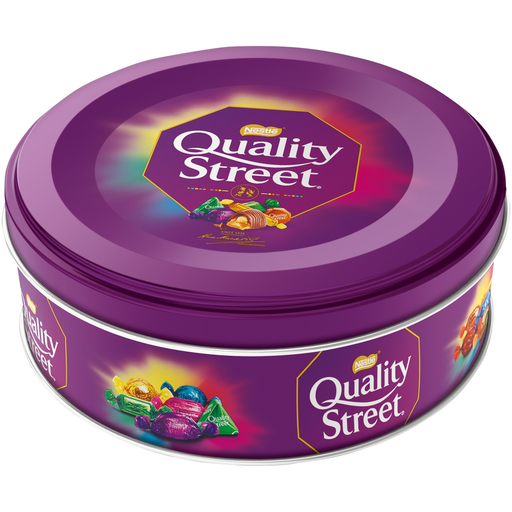 Image unavailable
Quality Street, box of chocolates and toffees 400 g
This boxed selection is a good choice for sharing rather than picking a single recipe for a break.
400 g selection of chocolates and toffees. Before sharing, check the ingredients and allergens for the varieties included on the packaging.
View on Joybuy
 Image unavailable
Lindt Excellence 85% dark chocolate, 100 g
Worth considering if you’re looking for a high-cocoa dark chocolate bar rather than a selection box.
100 g bar labelled as containing 85% cocoa. To compare sugar content or check for allergens, refer to the packaging for this exact product.
View on Joybuy
 Image unavailable
Poulain 70% dark chocolate, 100 g
This bar lets you choose a 100 g dark chocolate recipe without opting for a selection box with several varieties.
The recipe contains maltitol and soya lecithin. The warning for maltitol says that excessive consumption may have a laxative effect; check the labelling before buying.
View on Joybuy
 Image unavailable
Carré Suisse organic dark chocolate, lemon and green pepper, 100 g
If you’re after a dark chocolate recipe with inclusions for your break, compare this bar with plain dark chocolate recipes rather than relying on cocoa percentage alone.
100 g bar with lemon zest and green pepper. If you need to avoid allergens, check the packaging for any ‘may contain’ warnings.
View on Joybuy
 Image unavailable
Lindt Excellence 70% dark chocolate, 35 g mini bar
The 35 g format is a good option if you’re looking for a small bar for an individual break.
Dark chocolate labelled as containing 70% cocoa. Check the packaging for possible traces of nuts, milk and soya.
View on Joybuy
Frequently asked questions
Does the French ‘soda tax’ apply to chocolate bars and boxes of chocolates?
No, not when it comes to solid chocolate. According to the French General Tax Code published on Légifrance, the relevant levy applies to drinks and liquid preparations for making drinks, so it isn’t a factor when choosing a solid chocolate bar or box.
Does a chocolate bar have to display Nutri-Score in France?
No. The French Ministry of the Economy says that Nutri-Score is optional. When comparing pre-packed foods, use their nutrition declaration, particularly the values per 100 g, as well as the ingredients list.
Is dark chocolate automatically suitable for someone with a milk or nut allergy?
No. Read the ingredients and any ‘may contain’ warnings for the exact product, including each variety in a selection box. The DGCCRF reminds manufacturers that allergenic ingredients must be highlighted in the ingredients list on pre-packed foods.
Should you throw away a chocolate bar after its best-before date?
Not automatically. The Anses distinguishes between a best-before date, shown as ‘best before’, and a use-by date: after the former, the product’s quality may decline. Check the condition of the chocolate bar, its packaging and how it has been stored.


