Parents planning a snack to share
If you’re sharing chocolate during or after school, check the net weight and, if stated, the number of pieces. Squares or bite-sized pieces mean you won’t have to break up a bar when it’s time to serve.


For sharing chocolate with a group at the start of term, choose bite-sized pieces or pre-portioned squares if everyone needs to be able to help themselves easily. A bar is a good choice if you can break it up and serve it on the spot. Whichever format you choose, compare the net weight and nutritional information, then check the ingredients and allergens for the recipe you’re considering.
If you’re sharing chocolate during or after school, check the net weight and, if stated, the number of pieces. Squares or bite-sized pieces mean you won’t have to break up a bar when it’s time to serve.
Sugar per 100 g lets you compare products on a like-for-like basis. If you know how much will be served per person, check the information for that portion too. Where shown on the packaging, Nutri-Score can be a useful additional guide.
Before sharing, read the ingredients and precautionary statements for the exact product. You can’t tell whether a dark, milk or filled chocolate recipe is suitable just from its colour or brand.
For an occasional treat to share at the start of term, first decide how you’ll serve the chocolate, then check the label of the product you choose.
| What to consider | What to check | Who is it for? |
|---|---|---|
| Easy to share | Net weight and number of pieces, if stated; bite-sized pieces to hand out or a bar to break up. | If there’s no table service at the snack, I look for pieces that are easy to share between several people. Around 33% of consumers would prioritise ease of sharing. |
| Sugar and nutritional values | Sugar per 100 g and, if you know the portion size, the amount for that portion. Nutri-Score can only add to the comparison if it’s displayed. | Before choosing between different recipes, I want to compare their nutritional information on a like-for-like basis. This would be the main consideration for around 42% of consumers. |
| Allergens | Ingredients and precautionary statements on the label of the exact product. | If someone with an allergy is joining in, I need to check the recipe before serving. Around 25% of consumers would put this check first. |
According to Santé publique France, producers choose whether to display this logo. Its absence alone doesn’t tell you what the chocolate contains.
Compare the nutritional values and ingredients of the products you’re considering. Use Nutri-Score as an additional guide where it’s displayed.
The recipe matters more than the chocolate’s colour. Product listings for Côte d’Or checked on Carrefour France include a dark chocolate and hazelnut bar whose ingredients also include milk.
Before sharing, check the allergens and any ‘may contain’ statements on the label of each product.
Among the products featured by Carrefour France, a bag of Milka contains 126 g, a bag of Côte d’Or contains 158 g, and a box of Côte d’Or contains 24 mini bars weighing 240 g. The size of the pack doesn’t tell you enough about how much there is to share.
Work out how many people you’ll be serving, then compare the net weight and the number of pieces, if shown on the packaging.
The French Ministry of the Economy describes the so-called ‘soft drinks tax’ as a levy on sugary drinks, not on chocolate bars or bags of chocolate.
Check the sugar content to compare chocolates, but don’t treat it as a tax criterion for chocolate.
Carrefour France features, among other products, a 126 g bag of milk chocolate, which is different from a standard bar.
The products featured by Carrefour France include a 158 g bag of bite-sized chocolates, a 240 g box of 24 mini bars, and 180 g or 200 g bars.
Carrefour France features a Lindor assortment in a box and chocolate balls in a cone, both in 200 g packs.
Among the formats featured by Carrefour France are bags of dark chocolate squares weighing 192 g or 176 g.
The supermarket’s own brand features, among other products, a bag of milk chocolate sweets with a caramel-flavoured filling and a bag of milk chocolate and hazelnut balls, both weighing 200 g.
This selection includes bags of bite-sized chocolates, individual chocolate treats, bars to share and a boxed assortment for an occasional treat. If you’d rather break up a standard bar on the spot, apply the same checks for quantity, ingredients and nutritional information to the format you choose.
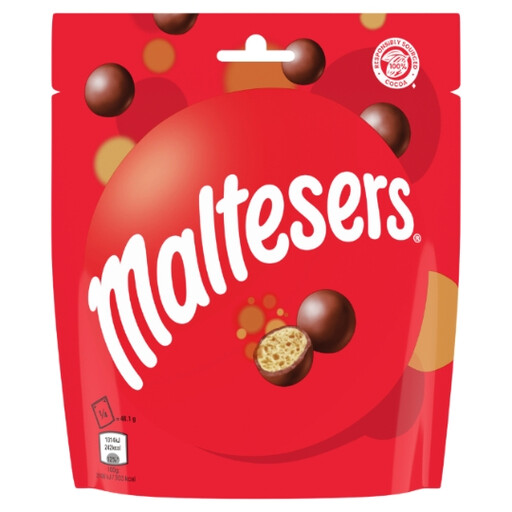 Image unavailable
The bag makes it easy to offer individual chocolate treats without breaking up a bar. The title states a weight of 192,5 g, while another part of the listing gives 192 g. If the amount you need to share is important, check the net weight on the packaging. Also check the ingredients and allergens before sharing.
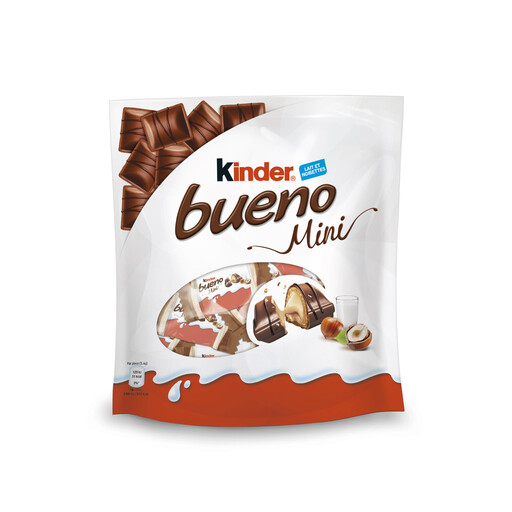 Image unavailable
This bag of mini chocolate treats is easy to share out in small portions, unlike a bar that needs breaking up. To compare its contents with another product, check the nutritional information on the packaging. If allergens are a concern, check the ingredients too.
 Image unavailable
The three 50 g bars can be shared between several people or broken up and served. If everyone needs an individually wrapped piece, check how the bars are packaged before choosing this multipack.
 Image unavailable
The stated number of pieces helps you plan how to share them, but this is a chocolate-covered biscuit treat, not a chocolate bar. Check the packaging to compare sugar and saturated fat with other products, and to check for allergens.
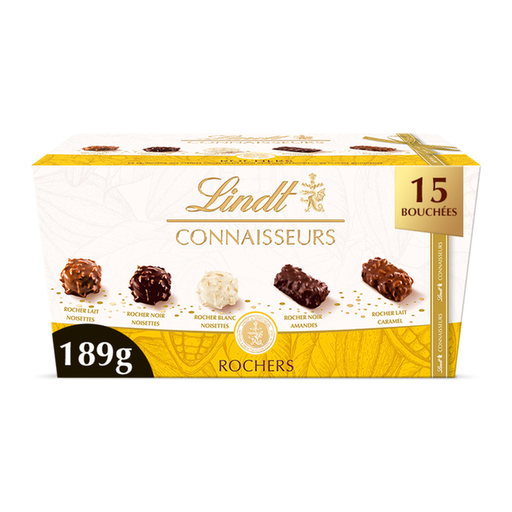 Image unavailable
This assortment box is handy for serving on the spot if you’d like to offer a choice of chocolates. If you need to plan exactly how many people get a piece, check the number of chocolates, and read the ingredients before sharing.
Choose squares or bite-sized pieces if everyone needs to be able to help themselves easily. A bar is a good choice if you can break it up and serve it on the spot. Either way, compare the net weight and, where stated, the number of pieces with the number of people you’re expecting.
No. Santé publique France says displaying it is voluntary. The nutrition declaration and other information required for relevant food products are covered by the European regulation on food information to consumers. So, if Nutri-Score isn’t shown, you’ll still need to check the nutritional values.
Read the ingredients, any allergens highlighted on the label and any ‘may contain’ statements for the exact product. Recipes can vary even within the same brand: neither ‘dark chocolate’ nor a bag format tells you what a product contains.
No. The French Ministry of the Economy describes this levy as applying to sugary drinks, not to chocolate bars or bags of chocolate. To compare chocolate products, check their nutritional information instead.