Those who want a proper rusk
The toasted-bread format matters more than whether it has a coating. La Chanteracoise chocolate rusks contain chocolate chips; they are not described as chocolate-coated.


If you want a rusk, distinguish a rusk containing chocolate chips from a chocolate-coated biscuit: the La Chanteracoise product described by the brand contains chocolate chips, while the wafers and chocolate-coated sticks mentioned here belong to other categories. If the coating matters more than the format, compare the nutritional information per 100 g, the portion you plan to eat and the allergens before choosing your evening snack.
The toasted-bread format matters more than whether it has a coating. La Chanteracoise chocolate rusks contain chocolate chips; they are not described as chocolate-coated.
A wafer or biscuit stick could fit the bill if you’re happy to look beyond the rusk category. The Carrefour Extra and P'TIT DELI products described by their retailers are coated in chocolate.
To compare recipes, check the sugars and fat per 100 g, then consider the portion you intend to eat. If you need to avoid an ingredient, check the allergens on the packaging of the product you choose.
First decide whether “rusk” means the format is essential to you, or whether you’re mainly looking for a layer of chocolate. You can then compare the recipes on the label.
| Criterion | What to check | Who is it for? |
|---|---|---|
| Rusk format | Read the product description and distinguish chocolate chips from a coating. | For a late-night snack with the crunch and format of a rusk, chocolate chips may fit the bill without adding a coating; around 30 % of consumers prioritise this format. |
| Chocolate coating | Look for the words “coated” or “topped” and check how much chocolate it contains, if this is stated. | If you want the biscuit to be covered in chocolate, being open to wafers or biscuit sticks gives you more choice; around 40 % of consumers prioritise the coating above all else. |
| Ingredients and allergens | Compare the nutritional information per 100 g, then check the ingredients and allergen information for the product you choose. | Before choosing an evening snack, knowing the sugar content and spotting ingredients to avoid can make all the difference; around 30 % of consumers put ingredients and allergens at the top of their list of criteria. |
La Chanteracoise rusks contain chocolate chips; the Carrefour Extra wafers and P'TIT DELI biscuit sticks are different products, described as chocolate-coated by their retailers.
Start with the product description, then check whether the chocolate comes as chips, a coating or an icing.
Chocolate products that look similar can have different ingredient lists and different warnings about traces.
If you need to avoid an allergen, check the ingredients and information on the packaging you buy rather than relying on details from another recipe.
A layer of chocolate tells you neither the nutritional values per 100 g nor how much you’ll eat. Manger Bouger advises limiting sugary products if snacking becomes a habit.
For an evening snack, also consider your planned portion and the product’s ingredients.
One to consider if you’re looking for a rusk first: the cereal-based product featured by Auchan is not coated in chocolate.
A range to consider if you’d prefer a chocolate wafer to a rusk.
A biscuit-stick option for anyone looking for a milk chocolate coating.
Among its products, the retailer features an Oreo biscuit with a filling and coating, which is different from a chocolate rusk.
The Choco Rondo product is an example of choosing a filled, chocolate-coated wafer instead of a rusk.
These products fit the bill if you’re looking for something crunchy and chocolate-coated for an evening snack. They’re wafers or crisp lace crepes, not rusks.
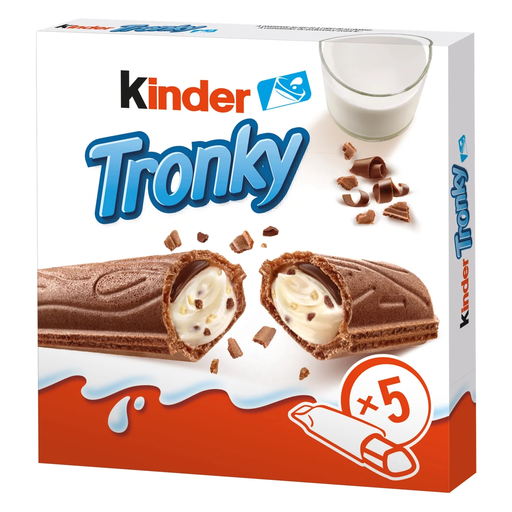 Image unavailable
Worth considering if you want a chocolate coating and are happy with a wafer rather than a rusk. If you need to avoid wheat, milk, soya or hazelnuts, check the ingredients on the packaging; also consider the portion you plan to eat.
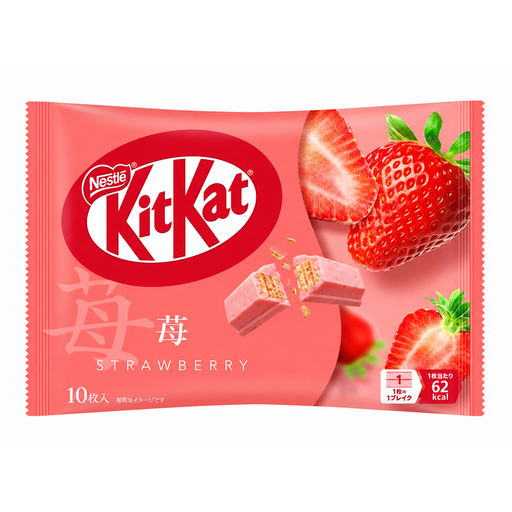 Image unavailable
Another chocolate-coated wafer option if a rusk isn’t essential. To compare the sugar and fat content with another product, check the values on the packaging; also check the allergen information if relevant to you.
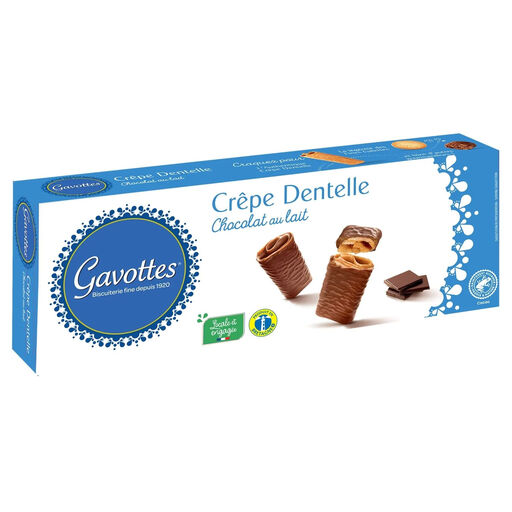 Image unavailable
Worth considering if you fancy chocolate-coated crisp lace crepes rather than a rusk. The pack contains six 90 g packs; check the ingredients on the product you buy if you need to avoid an allergen.
No. La Chanteracoise describes its chocolate rusks as containing 11,6 % chocolate chips, without saying they are coated. The coated P'TIT DELI and Carrefour Extra products are biscuit sticks and wafers respectively.
Compare their nutritional information on the same basis, per 100 g, then consider how much you plan to eat. The DGCCRF explains that the nutritional declaration for relevant pre-packed foods is given per 100 g or 100 ml to make comparisons easier; these figures alone don’t tell you what’s in a portion.
Check the specific product you’re buying: the examples mentioned may contain wheat, milk or soya, depending on the recipe, as well as other ingredients or possible traces. For pre-packed foods in France, the DGCCRF states that allergenic ingredients must be highlighted in the ingredients list; check the packaging of the product you buy.
No: a Nutri-Score on the pack doesn’t replace checking the ingredients, allergens and nutritional values per 100 g, or choosing your portion. On its own, it can’t tell you whether a recipe meets your criteria.