Anyone looking for a protein-rich snack
If you’re planning a snack around physical activity or between meals, the protein amount shown per bar can help you compare formats, without assuming anything about its effect on recovery.


When choosing a chocolate protein bar as part of your weekly shop, start by checking how much protein you’ll get from the portion you plan to eat, rather than relying on the word ‘protein’ alone. Then compare sugars, energy, any polyols and allergens. A protein content that suits you won’t necessarily help you choose between different recipes or formats.
If you’re planning a snack around physical activity or between meals, the protein amount shown per bar can help you compare formats, without assuming anything about its effect on recovery.
If you want to include a chocolate snack in your weekly shop, compare the nutrition information per portion and check for sweeteners or polyols too.
If you avoid certain ingredients, check the allergen information and any ‘may contain’ warnings for the variant you’ve chosen before comparing its protein content or flavour.
Start with the factor that matters most for this snack, then compare products based on the portion you’ll actually eat.
| Criteria | What to check | Who is it for? |
|---|---|---|
| Protein per portion | The grams of protein per bar or pack, and the weight of that portion. | If I’m having a snack around exercise, I want to know what the whole bar provides, not just see the word ‘protein’ on the packaging. Around 40% of consumers put this amount per portion at the top of their list. |
| Sugars and energy | Sugars and energy per portion, and whether it contains polyols or sweeteners. | If I’m adding several chocolate snacks to my weekly shop, what they’re made of matters more to me than a ‘low in sugars’ claim alone. This would be the top priority for around 30% of consumers. |
| Ingredients and allergens | Declared allergens, possible traces and the source of the protein in the exact variant. | If I need to avoid an ingredient, a bar isn’t right for me just because its protein content appeals. For around 30% of consumers, checking the recipe comes first. |
Portion sizes and protein content vary: product listings from Joybuy and Carrefour show around 19.8 g of protein in a 55 g Joyfuel bar and 12 g in a 50 g TrainSweatEat bar.
Compare the grams of protein per portion, then check the weight and the full nutrition information.
The Joyfuel listing on Joybuy shows 0.6 g of sugars, but also 26 g of polyols per 100 g. So a low sugar figure doesn’t tell you everything about the recipe.
Check the ‘of which sugars’ line, the polyols line if it appears on the packaging, and the ingredients list.
Depending on the recipe, the product listings mentioned here flag milk, soya, peanuts, tree nuts, gluten or egg, sometimes with a warning that traces may be present.
Check the label for the flavour and pack you’re buying. Another bar from the same brand may have a different recipe.
The Ministry of the Economy describes the so-called ‘soda tax’ as applying to sugary drinks, not solid chocolate bars. Santé publique France says that displaying Nutri-Score is voluntary; the French decree of 14 March 2025 excludes sports nutrition products, among others, from its use.
When choosing a bar, check its nutrition declaration, ingredients, allergens and portion size. If Nutri-Score is displayed on a product it applies to, it’s still only supplementary to this information.
Joybuy describes the 55 g dark chocolate and hazelnut bar as a protein-rich snack.
The Joybuy listing for the chocolate protein wafer describes a 39 g pack.
Carrefour lists a dark chocolate, almond and coconut bar made with plant-based protein.
E.Leclerc lists chocolate high-protein bars in a snack format.
Carrefour lists a 47 g Snickers Protein bar combining milk chocolate, caramel and peanuts.
These chocolate products include bars and a wafer to consider for your snacks throughout the week. The FEED bar is presented as a meal bar and serves a different purpose: compare it without treating it as the same kind of snack as the others.
 Image unavailable
Worth considering if you’re looking for a 55 g chocolate bar to have as a snack around physical activity. Check the label for protein per bar, sugars, polyols and allergens before comparing it with other products.
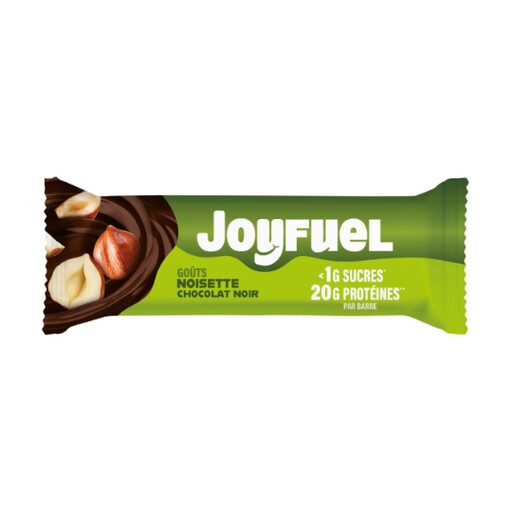 Image unavailable
If you want to compare the protein amount per bar, the Joybuy listing gives around 19.8 g for this 55 g portion. It lists 0.6 g of sugars and 26 g of polyols per 100 g; the recipe contains milk, soya and hazelnuts.
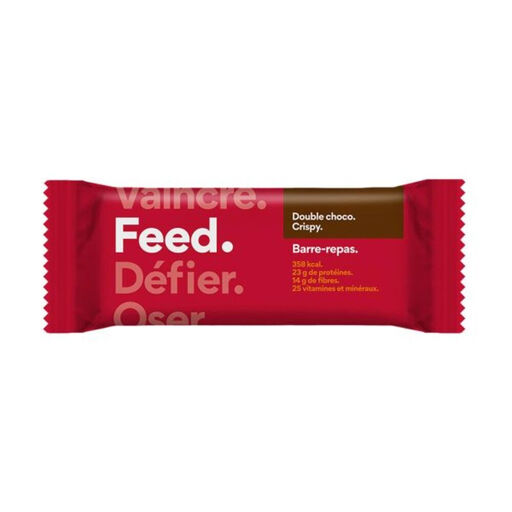 Image unavailable
This 100 g chocolate bar is presented as a meal bar, rather than a simple sports snack. To decide whether this format suits your needs, read the nutrition information and ingredients list for the variant you buy.
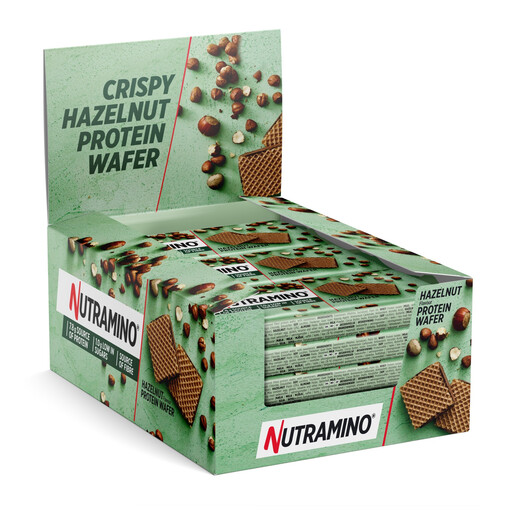 Image unavailable
This chocolate wafer may appeal if you prefer a different snack format from a bar. Check how many packs and wafers are included, as well as the protein amount for the portion you’ll eat.
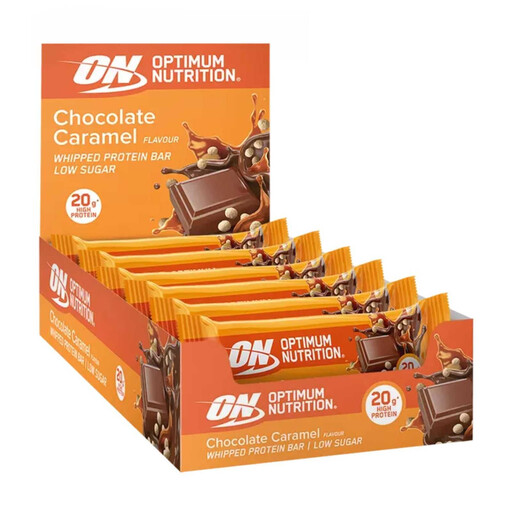 Image unavailable
This pack of chocolate and caramel bars may suit you if you want to have several 60 g snacks ready. Before comparing its protein content, check the amount per bar on the label for this variant: the available descriptions give conflicting figures.
No. The contribution described by the Ministry of the Economy applies to sugary drinks, not solid chocolate bars. When comparing these bars, check the declared sugars per portion instead.
No. Santé publique France says displaying it is voluntary, and the nutrition declaration is separate information. The French decree of 14 March 2025 excludes sports nutrition products, among others, from the use of Nutri-Score. So check the nutrition values, ingredients and allergens for the bar in question, whether or not a score appears on the packaging.
First compare the grams of protein in the portion you’ll eat, then look at sugars, energy and ingredients on a like-for-like basis. The format matters: a figure per 100 g isn’t necessarily the amount in a whole bar.
Don’t assume so based on its protein content alone. E.Leclerc distinguishes an ordinary protein bar from a meal replacement. If a product is presented as a meal bar, check its labelling and intended use rather than treating it like a snack.