
Livraison le jour même ou le lendemain

Qualité garantie

Débloquez vos offres de bienvenue: Livraison GRATUITE | Jusqu'à -80 % | 30 jours d'essai gratuits à JoyPlus
Téléchargez l'application
Chocolate products come in all shapes and sizes – bars, biscuits, cereals, drinks, snack bars and confectionery. This variety makes shopping easy, but it can also make comparisons a little trickier. A family-sized pack isn’t always better value, a nutritional claim doesn’t tell you the full story, and a convenient format isn’t necessarily right for everyday consumption.
Before you fill your basket, here are the key things to check when choosing milk chocolate, a chocolate drink or a sweet snack that suits your household.
A multi-pack can be handy for a family or for stocking up at the office. To work out whether it’s genuinely good value, compare the price per kilogram or per litre. A 200 g bar, a pack of chocolate snack bars or a 24-can multipack won’t all be consumed at the same rate.
For sharing products, also look at how many portions you’ll actually get. Several individual sachets can make snack time easier to manage, whereas a large bar that’s been opened might sit in the cupboard for weeks.
“No added sugar”, “high in protein” or “made with milk” aren’t enough to tell two products apart. The ingredients list and the nutrition table give you a much clearer picture of what you’re buying.
A chocolate protein drink, for example, may contain sweeteners, stabilisers and milk proteins. Chocolate cereals, on the other hand, can combine flour, sugar, filling and fats. These ingredients aren’t necessarily a problem, but they should match how you plan to use the product.
Milk, soya, gluten, hazelnuts, almonds, peanuts and sesame all feature in many recipes. The “may contain traces” warning also deserves your attention if you need to avoid a particular allergen.
Also check the best-before date, the condition of the packaging and any storage recommendations. Chocolate products are generally best kept away from heat, moisture and light. Once opened, a drink may need to be refrigerated and consumed quickly.
Ingredients are listed in descending order by weight. For a chocolate bar, look closely at the cocoa mass, cocoa butter, milk powder and sugar content. For chocolate biscuits or cereals, compare the proportions of flour, filling, fats and cocoa.
A chocolate with hazelnuts or caramel can offer a more pronounced texture and flavour. However, these additions change the product’s composition and the allergen information.
Using 100 g or 100 ml as a base lets you compare products of different sizes. For a milk chocolate bar, check the energy content, fat, saturated fat, carbohydrates (including sugars) and salt. For chocolate milk or a milkshake mix, take into account the amount used and the volume of liquid required.
The values given per portion are useful day-to-day, but portion sizes can vary from one product to another. So avoid comparing only the two figures highlighted on the front of the pack.
For breakfast, chocolate cereals and drinks should be easy to measure and store. For a snack, individual portions are less fiddly and easier to carry. For sharing, a bar or an assortment is often more suitable.
After opening, seal sachets carefully. Shake ready-to-drink beverages if the label recommends it. For both storage and the use-by date, the instructions on the packaging are your best guide.
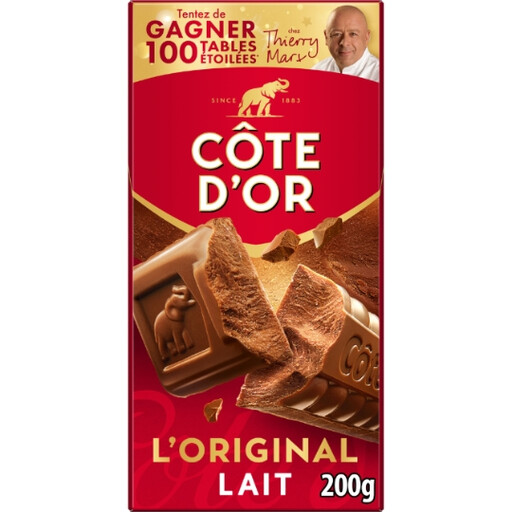
Why this suits this profile: This 200 g bar is a simple introduction to milk chocolate – you can enjoy it over several sittings or share it at home.
The net weight is clearly stated, and the bar is ready to eat straight away – no preparation or extra equipment needed.
A 200 g bar, a milk chocolate recipe and nutritional information given per 100 g.
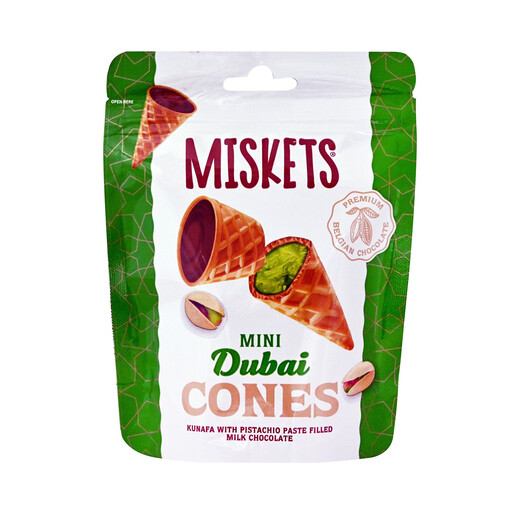
Why this suits this profile: This individual format combines a crunchy cornet, a milk chocolate filling and pistachio for an occasional indulgent treat.
At 50 g, it stops you buying a large quantity when you’re simply after an occasional treat.
Pistachio is listed at 14 %, with the presence of kataifi, sesame, milk and soya clearly stated.
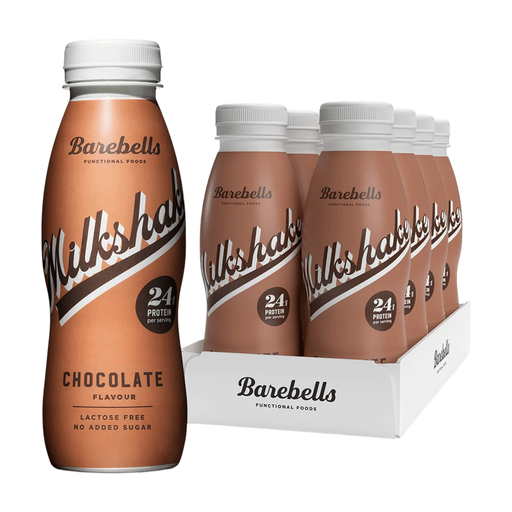
Why this suits this profile: The pack of eight ready-to-drink bottles slips easily into a bag and is ideal for on-the-go, breaks or regular consumption after exercise.
The volume of each bottle and the number of units are clearly stated, making it easy to plan repeat purchases.
24 g of protein per 330 ml bottle, lactose-free and with no added sugar according to the product listing.
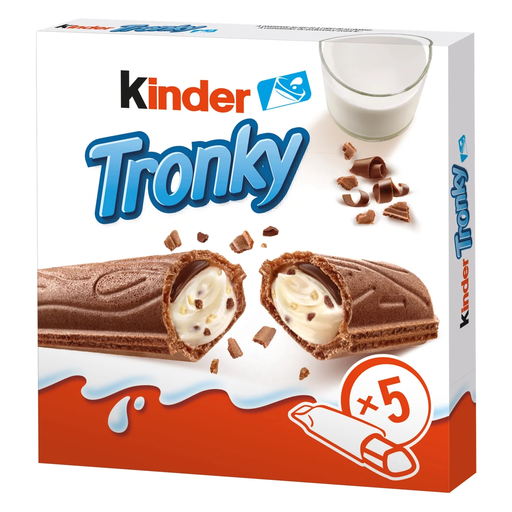
Why this suits this profile: The five individually wrapped bars are perfect for snacks, on-the-go or sharing between several people.
Individual wrapping means you can hand out portions without having to open the whole pack at once.
A cocoa wafer, a milk filling and a milk chocolate coating, with the allergens milk, wheat, soya and hazelnuts clearly listed.
We’ve selected a full range, updated in real time, of products that meet these criteria and comply with European safety regulations.
Chocolate cereals, chocolate milk and milkshake mixes don’t all serve the same purpose. Compare the sugar content, portion sizes, preparation time and storage conditions. A ready-to-drink bottle is all about speed, whereas a powder is easier to store after opening – as long as you seal it properly.
Check the date on the packaging and store the product in a cool, dry place away from light. After opening, seal the sachet carefully or transfer the contents to an airtight container. A bar may change in appearance or texture if exposed to heat, although the manufacturer’s recommendations should always come first.
It depends on their composition and your needs. A chocolate protein drink will usually state the amount of protein per bottle, whereas a classic chocolate milk is chosen more for its taste and convenience. Before buying, check the ingredients, allergens, sugar content and volume.