Households making several cups
If hot chocolate is a regular feature of shared breakfasts or coffee and treats, an 800 g to 1 kg pack could mean fewer repeat purchases. Just make sure you have somewhere dry to store it after opening.


If you often make several cups, an 800 g to 1 kg pack of chocolate powder offers the quantity you need. If sugar content matters more to you, compare less sugary recipes or choose unsweetened cocoa so you can decide what to add. A larger pack doesn’t tell you what’s in it: check the sugars per 100 g, the serving size and the allergens for the specific product you’re considering.
If hot chocolate is a regular feature of shared breakfasts or coffee and treats, an 800 g to 1 kg pack could mean fewer repeat purchases. Just make sure you have somewhere dry to store it after opening.
If what’s in the tin matters more than its size, a less sugary recipe or unsweetened cocoa is worth considering. With the latter, you decide what to add to your cup.
If you’re serving a group, check the exact recipe before buying. The 1 kg Nesquik product reviewed by Auchan contains soya lecithin; the 1 kg Banania recipe contains cereals, including wheat and barley. The Poulain Grand Arôme Moins de Sucres product featured by Carrefour carries a warning that it may contain milk and soya.
First, choose the type of product that suits how you’ll use it, then compare the information on the packaging of each specific product.
Worth considering: if you regularly make several hot chocolates from the same 800 g to 1 kg pack.
Bear in mind: a larger pack doesn’t mean the recipe contains less sugar; ingredients vary between products.
Worth considering: if the sugar content of the powder is your main priority and you’re happy with a smaller pack.
Bear in mind: the Nesquik and Poulain products reviewed by Carrefour come in 350 g and 400 g packs respectively, rather than family-size packs.
Worth considering: if you want to decide for yourself what to add to your drink or homemade recipe.
Bear in mind: cocoa without added ingredients tastes more bitter, and you’ll need to adjust the recipe to suit your taste; the Carrefour products reviewed come in 250 g packs.
| What to consider | What to check | Who is it for? |
|---|---|---|
| Pack size and usage | Net weight and recommended amount per cup; storage instructions after opening. | If I make several cups regularly, I want a pack that suits how often I use it. Around 33% of consumers would put having enough in the pack first. |
| Sugars and ingredients | The ‘of which sugars’ figure per 100 g and the ingredients list; the amount used to make a drink. | If I want to manage the sugar in my cup, I compare the powder before deciding what to add. This would be the priority for around 42% of consumers. |
| Taste and ingredients | The ingredients in the specific product, declared allergens and any ‘may contain’ warnings. | If I’m serving guests with different tastes or ingredient restrictions, I need to know which recipe I’ve chosen. This would come before other considerations for around 25% of consumers. |
A 1 kg pack may suit frequent use, but its weight doesn’t tell you how much powder to use per cup or how much storage space you’ll need once it’s open.
Check the recommended serving size and choose a pack that suits how often you’ll use it and how you can store it.
According to the DGCCRF, nutrition information is generally required on prepacked foods. The French ministry responsible for the economy states that displaying Nutri-Score is optional.
If it appears on the packaging, use it alongside the nutrition information per 100 g and the ingredients list, rather than relying on it as your only guide.
Recipes aren’t interchangeable: the 1 kg Banania product described by Auchan contains cereals, while Nesquik 1 kg contains soya lecithin.
For each guest with an ingredient restriction, check the ingredients and any ‘may contain’ warnings on the packaging of the exact product.
The legislation presented by Légifrance applies to drinks and liquid drink preparations, subject to the conditions set out in law. The sugar content of dry chocolate powder alone isn’t enough to conclude that it is subject to this levy.
When choosing your powder, check its ingredients and the sugar content shown on the label instead.
The range includes chocolate drinks in several sizes, including a 1 kg product and a 350 g Moins de Sucres variant featured by Auchan and Carrefour.
Grand Arôme, Grand Arôme Moins de Sucres and Super Poulain are different recipes in different pack sizes.
The 1 kg pouch of chocolate drink powder described by Auchan combines cocoa and cereals, making it different from plain cocoa powder.
The products featured by Carrefour include KaoMix chocolate drink powder in a 1 kg tin and smaller packs of cocoa powder.
These 1 kg chocolate powders are suited to people who regularly make several cups for a shared breakfast or coffee and treats. Compare the recipes and preparation instructions before choosing.
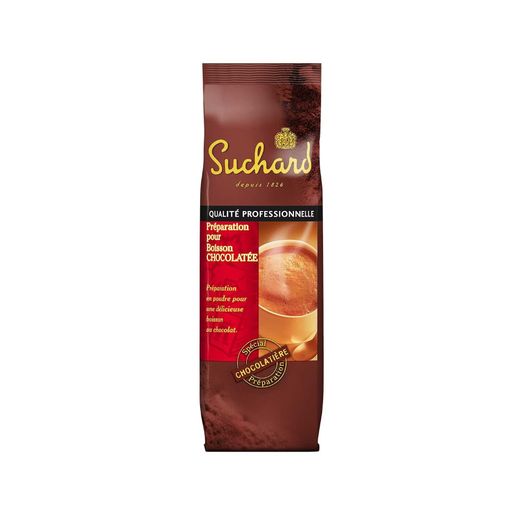 Image unavailable
This 1 kg pack may suit you if you often make several cups. The product name states that it contains 20% cocoa; check the packaging for the recommended amount, sugar content and allergens if these matter to your guests.
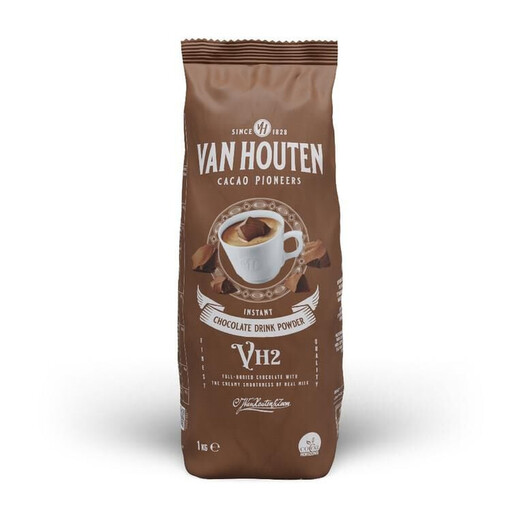 Image unavailable
The 1 kg pack offers plenty for making drinks to share. The product name states that it contains 34% cocoa, but that figure alone doesn’t tell you how much sugar the powder contains. Check the nutrition information per 100 g.
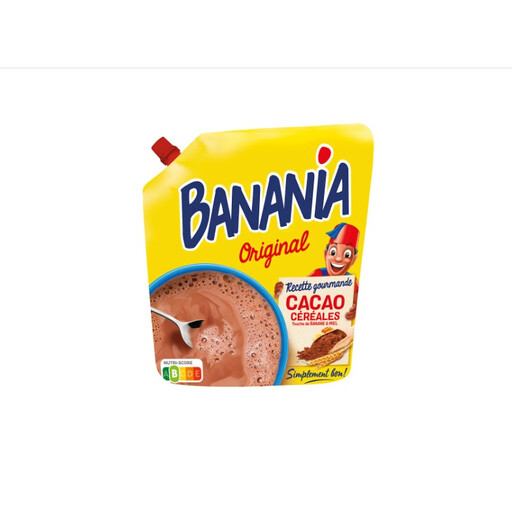 Image unavailable
This 1 kg pack may suit you if you regularly make several cups. Before serving it to guests, check the ingredients and allergens on the Bananina Original packaging itself: its name doesn’t tell you that it has the same recipe as another brand’s product.
No. The French ministry responsible for the economy states that Nutri-Score is optional, while nutrition information is generally required on prepacked foods, according to the DGCCRF. You can still compare the sugars per 100 g and the ingredients list when no Nutri-Score is shown.
No. The legislation presented by Légifrance concerns drinks and liquid drink preparations, subject to certain conditions. The sugar content of a dry powder isn’t enough to establish whether the levy applies. To compare two powders, check their nutrition information and ingredients instead.
Compare the sugars per 100 g, then check how much powder you need to make a cup and read the ingredients list. The weight of the tin and the percentage of cocoa don’t, on their own, tell you how much sugar will be in the drink you make.
Check the packaging of each product: Auchan’s product information for Nesquik 1 kg mentions soya; its listing for Banania 1 kg describes cereals including wheat and barley; and Carrefour’s listing for Poulain Grand Arôme Moins de Sucres warns that it may contain milk and soya. Don’t assume that one recipe or a ‘may contain’ warning applies to every product from the same brand.