
Livraison le jour même ou le lendemain

Qualité garantie

Débloquez vos offres de bienvenue: Livraison GRATUITE | Jusqu'à -80 % | 30 jours d'essai gratuits à JoyPlus
Téléchargez l'application
Chocolate powder is a staple at breakfast, a treat during the day, and a key ingredient in many recipes. But with unsweetened cocoa, hot chocolate mixes and instant chocolate drinks all on the shelves, the packaging isn't always clear. Whether you're stocking the family kitchen or an office, a few simple checks can help you avoid disappointing purchases.
Cocoa powder typically contains a high proportion of cocoa and little to no sugar. You'll usually need to add sugar yourself, then mix it thoroughly with milk or water to get a smooth drink.
In contrast, an instant hot chocolate mix already contains sugar and may include emulsifiers, milk powder or flavourings. It dissolves more easily, but its sugar content is often significantly higher. So before you rely on the word "chocolate", take the time to read the ingredients list.
A high cocoa percentage can give a more intense flavour, but on its own it tells you nothing about the sugar content, texture or preparation method. Always compare the nutritional values per 100g of powder, then check the recommended serving size.
For example, Nesquik Original 300g shows 23% fat-reduced cocoa and 75g of sugars per 100g of powder. Benco Less Sugar 400g lists 21% cocoa and 50g of sugars per 100g. These figures let you compare products on an objective basis, even if taste and ease of dissolving may vary.
A small jar is fine for occasional use. A larger tub of chocolate powder is more practical for a family, an office or a catering setup. Just make sure the product will be used before its best-before date and is properly sealed between uses.
Store the powder in a cool, dry place away from moisture. A poorly closed lid or a badly folded bag can encourage clumping and make measuring difficult.
For a pre-sweetened mix, compare the "carbohydrates" and "of which sugars" lines. If you prefer to control the recipe yourself, go for an unsweetened cocoa powder. Van Houten Cocoa Powder 255g, for instance, shows 0.8g of sugars per 100g according to the information provided. It's particularly well suited to baking, sauces, toppings or a custom-made drink.
If you're looking for a lower-sugar chocolate powder, examine the full composition. Benco Less Sugar contains sugar, fat-reduced cocoa, starch and bamboo fibre. Its sugar level is lower than many standard mixes, but it is not a sugar-free product.
Some products mix with cold or hot milk, while others are designed to dissolve in hot water. Suchard Instant Hot Chocolate 1kg recommends 20 to 25g of powder in hot water. Nesquik, on the other hand, suggests about two teaspoons in 200ml of milk.
Milk generally gives a creamier, richer texture. Water, however, is more practical for group preparation or with a drinks machine. Follow the temperature and dosage on the packaging to avoid a drink that's too watery or overly sweet.
Check for milk, soya, gluten or cereals depending on your household's needs. The recipes are not interchangeable: Van Houten is listed as containing no declared allergens, while Nesquik contains soya and may have traces of milk. Bananina, meanwhile, contains gluten from wheat and barley.
For an option labelled as chocolate powder with no added sugar, also look at the polyols and sweeteners. Damtuh Pokémon No Added Sugar contains maltitol, as well as milk and soya. "No added sugar" does not mean "carbohydrate-free" or "sweetener-free".
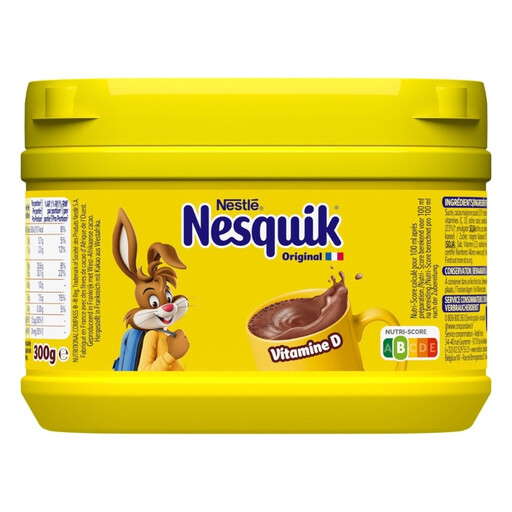
Why this suits this profile: Its 300g size is ideal for a first try, and it mixes with cold or hot milk.
The recommended serving of around 13.5g per 200ml of milk helps prevent overloading the drink with powder.
23% fat-reduced cocoa, vitamins C and D listed on the product page, compact format.
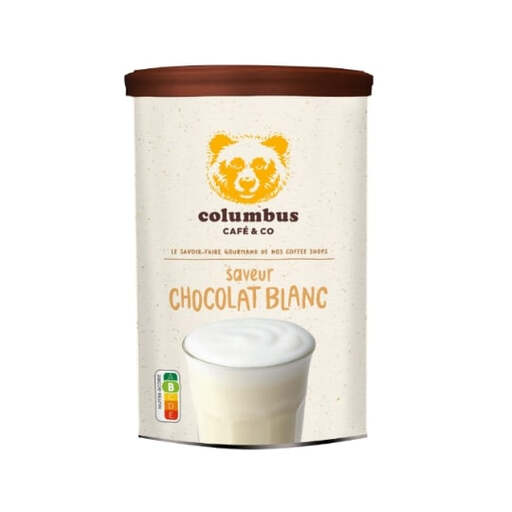
Why this suits this profile: This mix focuses on a thick texture and a white chocolate recipe, ideal for a change from classic cocoa.
The product page recommends 25g in 100ml of hot milk, then gradually adding the rest of the liquid.
White chocolate preparation containing 40% white chocolate mix, with milk listed as a declared allergen.
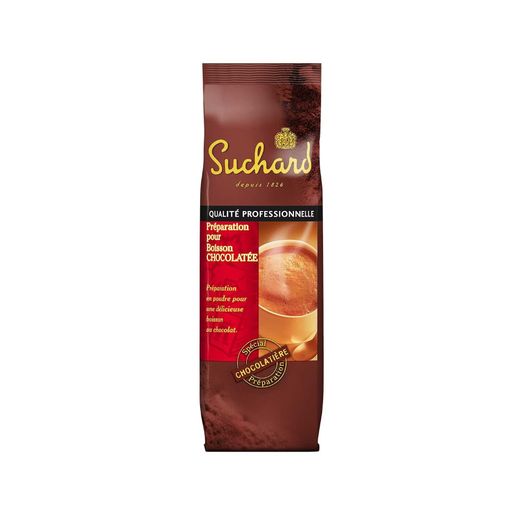
Why this suits this profile: Its one-kilo size is ideal for large families, offices and catering or vending use.
The dosage of 20 to 25g per cup helps standardise portions and makes it easier to track stock usage.
20% cocoa stated, preparation with hot water, 1kg format and contains milk powder.
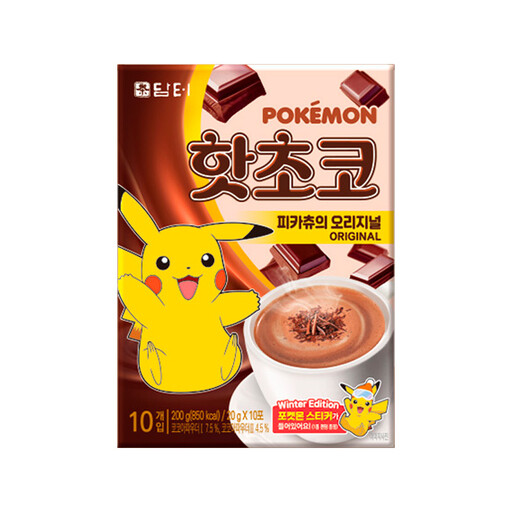
Why this suits this profile: The ten 20g sachets make measuring simple at home, in the office or on the go.
Pre-portioned bags reduce guesswork, but the presence of milk and soya should be checked before purchase.
Individual sachets, preparation with water or milk, Pokémon box and total 200g format.
We've put together a complete, real-time updated selection of products that meet these strict criteria and comply with European safety regulations.
Follow the dosage given by the manufacturer. Generally, start by mixing the powder with a small amount of hot milk or water to form a smooth paste, then gradually add the rest of the liquid. Avoid boiling water if the packaging recommends a lower temperature.
It depends on the date on the packaging and the storage conditions. Seal the tub or bag carefully after each use and keep it in a dry place. If the powder has an unusual smell, feels damp or is heavily clumped, it's best not to use it.
A no-added-sugar powder may contain naturally sweet ingredients or sweeteners such as polyols. An unsweetened powder, like pure cocoa, typically contains no added sugar and lets you adjust the recipe to your taste. The ingredients list and nutrition table are still the best sources for checking the composition.