
Livraison le jour même ou le lendemain

Qualité garantie

Débloquez vos offres de bienvenue: Livraison GRATUITE | Jusqu'à -80 % | 30 jours d'essai gratuits à JoyPlus
Téléchargez l'application
Chocolate powder can be enjoyed at breakfast, used to make hot chocolate or a cold drink, or added to a dessert. However, packaging does not always make it easy to quickly distinguish between an instant chocolate drink, sweetened cocoa and genuine unsweetened cocoa.
To avoid disappointment, it is best to check the ingredients, preparation method and pack size. A powder described as “intense” may turn out to be very sweet, while a large pack is only genuinely economical if it matches your level of consumption.
The cocoa percentage tells you about the composition, but it is not enough to predict how the product will taste. A preparation can contain a significant proportion of cocoa while still being very sweet. Conversely, unsweetened cocoa, particularly when intended for baking, will generally require you to add sugar according to the recipe.
So start by checking the ingredients list, even before looking at the nutritional information. If sugar appears first, it is the main ingredient in the preparation.
Some labels show values for 100 g of powder, while others give them for a drink prepared with water or milk. These figures cannot be compared directly. The type of milk used, the amount of powder and the final volume can significantly change the nutritional content of a cup.
For a consistent comparison, check the sugar content and energy value per 100 g of powder, then look at the recommended serving size.
A 1 kg chocolate powder pack can be a practical choice for a large family, a professional kitchen or a hotel. However, a sizeable pack may lose its freshness if it remains open for several months. Choose a tub with a lid or a resealable pouch, then store the powder in a cool, dry place away from light.
For a drink that can be prepared quickly, sweetened instant powder usually dissolves well in both hot and cold milk. Hot chocolate powder recipes may also contain milk powder, emulsifiers, flavourings or thickeners.
For desserts, baking cocoa is often the better choice. Van Houten Cocoa Powder 255 g, for example, is described as unsweetened cocoa powder for baking, decoration and drinks. Its product information states that it contains 0.8 g of sugars per 100 g. You will therefore need to adjust the amount of sugar in the recipe yourself.
The sweetened preparations featured in this selection have very different values. Nesquik Original 300 g contains 75 g of sugars per 100 g of powder, compared with 51.1 g for Ovomaltine 350 g. Benco Less Sugar 400 g contains 50 g of sugars per 100 g, as well as 13 g of fibre according to its product information.
These figures are not medical advice. They simply allow you to compare the products on the same basis. If you are looking for sugar-free chocolate powder, also check the ingredients list: “no added sugar” does not necessarily mean “free from carbohydrates” or “free from sweeteners”.
Milk, soya, gluten and nuts may be included in the product or listed as possible traces. Imported products may also suggest different preparation methods: with hot water, hot milk, a plant-based drink or a cold liquid.
Follow the quantity stated on the packaging. The Nesquik Original 300 g product information, for example, recommends approximately two teaspoons, or 13.5 g, for 200 ml of milk. Suchard Instant 1 kg recommends 20 to 25 g with hot water. Preparing the drink with milk gives it a different texture and changes the nutritional values of the finished beverage.
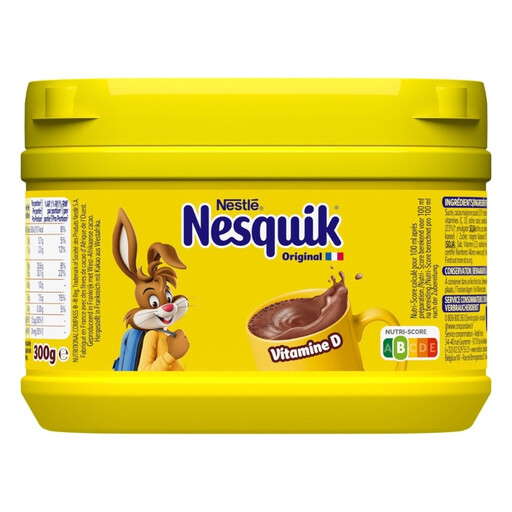
Why this product suits this profile : At 300 g, this pack lets you try an easy-to-prepare chocolate drink without building up too much stock. The powder can be mixed with hot or cold milk.
The limited net quantity reduces the risk of leaving the product open for too long. The product information also specifies the presence of soya and the possibility of traces of milk.
Compact family-sized pack, suitable for hot or cold preparation, with 23% low-fat cocoa listed in the ingredients.
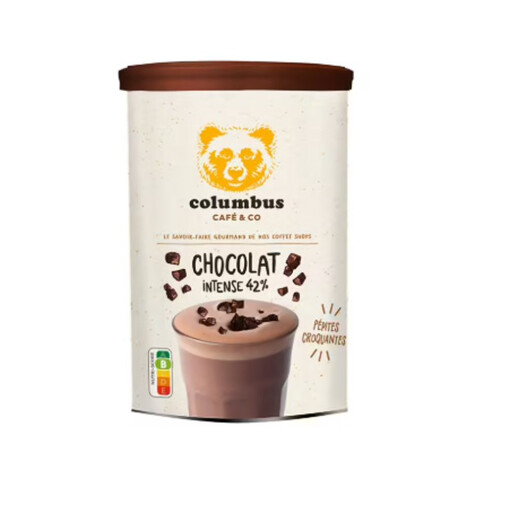
Why this product suits this profile : Its composition combines cocoa powder, low-fat cocoa and a chocolate preparation containing cocoa butter. It is well suited to those looking for a more pronounced chocolate flavour.
The ingredients list helps distinguish a simple sweetened powder from a preparation combining several sources of cocoa and chocolate.
Contains 27% cocoa powder and 15% low-fat cocoa, comes in a 320 g pack, and contains milk, which should be taken into account.
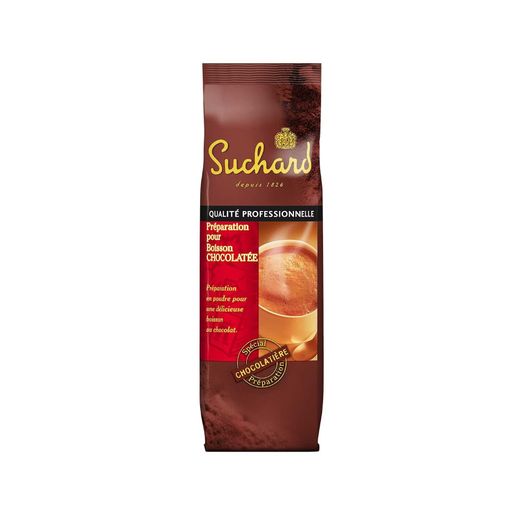
Why this product suits this profile : The one-kilogram pack is ideal for households that regularly make hot chocolate, as well as for catering and hospitality professionals.
The 20 to 25 g serving and hot-water preparation method are clearly stated, making it easier to calculate the number of portions and the cost per cup.
Contains 20% cocoa, comes in a 1 kg pack, can be prepared with hot water or milk, and lists milk and allergens.
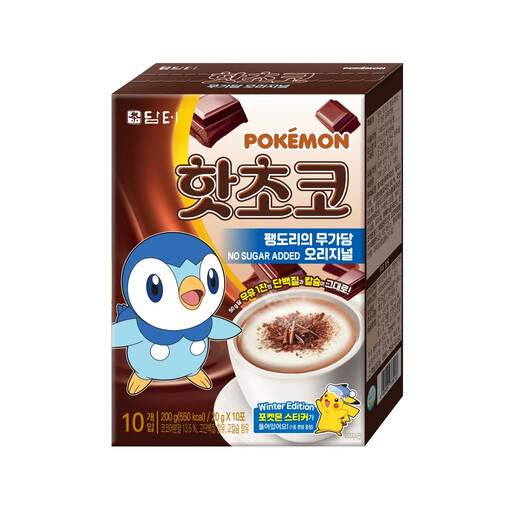
Why this product suits this profile : Individual sachets make portioning and transport easier. The product information states 0 g of sugars per 100 g and lists maltitol, a polyol.
The claim “no added sugar” should be considered alongside the ingredients list and the presence of polyols. The product information also states that it contains milk and soya.
Ten 20 g servings, 0 g of sugars per 100 g, can be prepared with hot water or milk, and comes in an easy-to-portion format.
We have brought together a complete, real-time selection of products that meet these strict criteria, while complying with European safety regulations.
For family consumption, start by checking the sugar content, allergens and recommended serving size. A product intended for children is not necessarily lower in sugar. Follow the stated serving size and take the milk used to prepare the drink into account.
Yes, but unsweetened cocoa will generally require a specific recipe with milk and sugar, or another sweetener according to your preferences. It is also suitable for baking, creams and dusting. An instant preparation already contains ingredients designed to make it dissolve easily and create a balanced flavour.
Follow the date shown on the packaging and the manufacturer’s recommendations. Close the pack carefully after each use and store it in a dry place. Avoid the fridge, where condensation could affect the powder. If it develops an unusual smell, texture or appearance, it is best not to consume it.