
Livraison le jour même ou le lendemain

Qualité garantie

Débloquez vos offres de bienvenue: Livraison GRATUITE | Jusqu'à -80 % | 30 jours d'essai gratuits à JoyPlus
Téléchargez l'application
A star of comforting breakfasts and afternoon snacks, chocolate powder is a pantry staple. But behind this seemingly simple product lies a dizzying array of options where it's easy to get lost. Our mission: to help you navigate the choices, avoid the marketing traps, and find the cocoa powder that's truly right for you.
Before you buy, let's review the most common pitfalls to avoid:
To avoid falling for these tricks, a few simple checks are all it takes. With a quick glance at the packaging, these indicators will reveal the product's true nature.
This is THE crucial criterion. There are two main categories:
The rule is simple: ingredients are listed in descending order by weight. If sugar is at the top of the list, it's the main ingredient. A quality powder will always place cocoa powder (or "low-fat cocoa") as high up on the list as possible—ideally right after sugar, or even before it for the most intense versions.
From single-serving sachets to large 1kg tins, the choice is vast. While smaller formats (300g or 400g) are convenient, their price per kilo can skyrocket. For regular family use, the larger 800g or 1kg formats are not only more budget-friendly but also more eco-friendly.
Because every household has its preferences, here are our recommendations, selected based on the quality criteria we've just covered.
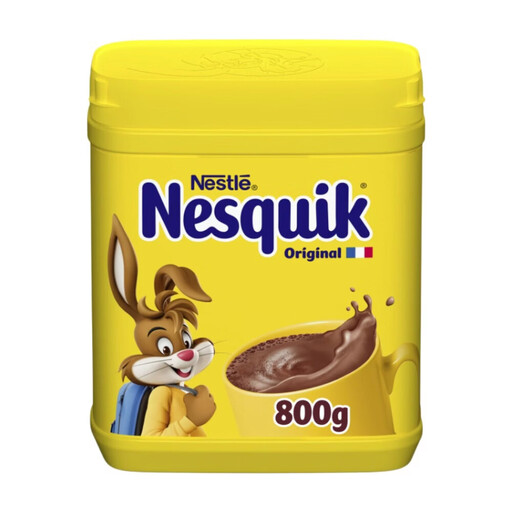
Why we recommend it: It's the go-to choice for families. Its mild, chocolatey flavour is a hit with kids, and its formula dissolves perfectly in both hot and cold milk—a real bonus on busy mornings.
Its 800g format offers excellent value for money per kilo compared to smaller tins, making it a smart choice for daily use.
With 23% cocoa, it exceeds our recommended threshold. Enriched with Vitamin D, it's a choice parents can feel good about.
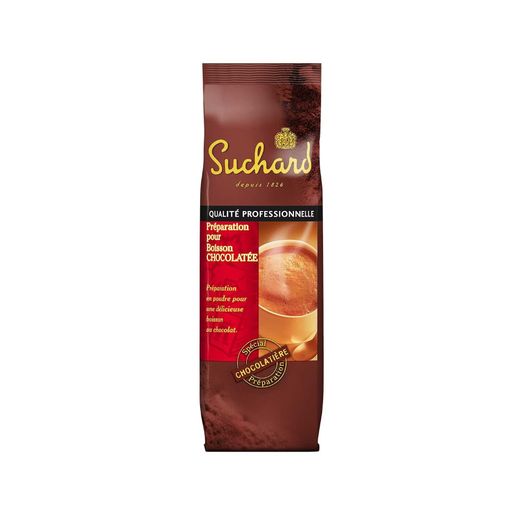
Why we recommend it: Perfect for adults and professionals (cafés, hotels) who want a truly rich and creamy hot chocolate. Its formula is optimised for perfect dissolution, even in hot water.
With its 20% cocoa, it guarantees a robust chocolate flavour, unlike powders where sugar overwhelms the taste.
Its 1kg format is extremely cost-effective for heavy users or professional settings, ensuring consistent quality.
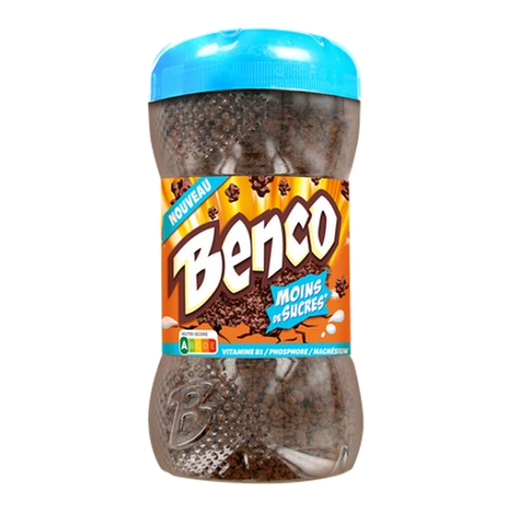
Why we recommend it: For anyone looking to cut down on sugar without sacrificing indulgence. Its unique granular texture, a Benco signature, melts into milk without clumping.
It tackles the sugar trap head-on. Its recipe contains only 50g of sugar per 100g, a far cry from the 75-80g found in classic powders.
Less sugar doesn't mean less flavour! With 21% cocoa, it strikes the perfect balance between indulgence and a healthier choice.
Explore our full range of cocoa powders, all tested and approved against our quality standards.
What's the difference between cocoa powder and chocolate powder?Cocoa powder (or pure cocoa) is 100% derived from the cocoa bean with no added sugar. It is therefore intense and bitter. Chocolate powder, on the other hand, is a "ready-to-use" mix that already contains cocoa, sugar, and other ingredients. It is designed to dissolve easily in milk or water.
Can I use cold milk to make a chocolate drink? Yes, most instant powders (like Nesquik) are formulated to dissolve in both cold and hot milk. For pure cocoa or richer powders, an anti-clumping tip is to first mix the powder with a small amount of hot milk before pouring in the rest of the cold milk.
What's the best way to store cocoa powder? To preserve all its flavour and prevent it from clumping, store it in a cool, dry place, away from light and moisture. Always remember to close the container tightly after use. Avoid the fridge: condensation can alter the powder's texture.