Organisers baking several batches
For a school fête or charity bake sale, you’ll need to work out how much powder you need for all the cakes, without choosing a pack that leaves you with too much left over.


When baking cakes for a school bake sale, first choose a powder that suits your recipe and whose ingredients you can tell families about. Then work out how much you need: a 1 kg pack should be enough for several batches, but you may have some left over. If your recipe calls for unsweetened cocoa, don’t replace it directly with an already-sweetened chocolate drink mix.
For a school fête or charity bake sale, you’ll need to work out how much powder you need for all the cakes, without choosing a pack that leaves you with too much left over.
You’ll need to check the ingredients in every powder you use and be able to tell families about the allergens listed on the packaging.
The stated cocoa content and the results of a test batch matter more to you than automatically buying a 1 kg pack.
Start with the recipe, then work out how much you need and check the ingredients on the pack you plan to use.
| What to consider | What to check | What matters to shoppers |
|---|---|---|
| Amount for your batches | Work out how many grams you’ll need per cake and how many batches you’ll bake before choosing a pack size. | When baking several batches, I want to have the amount I need without automatically buying a large pack; around 36% of shoppers say the quantity they need is their top concern. |
| Ingredients and allergens | Read the ingredients list, check the allergens highlighted and look for any ‘may contain’ warnings on the pack you buy. | If families ask what the cakes contain, I need to be able to answer using the packaging for the products I used; checking ingredients is the top priority for around 29% of shoppers. |
| How the recipe turns out | Check whether the recipe calls for unsweetened cocoa or a chocolate drink mix, then bake a small test batch. | I want my cakes to have the expected cocoa flavour and quantities; around 21% of shoppers say the recipe’s results are their main concern. |
| Leftovers and storage | Compare pack sizes with the amount you expect to use, and follow the storage instructions after opening. | For a small bake sale, I’d rather choose a size that lets me use or store any leftovers; around 14% of shoppers put minimising leftovers first. |
The chocolate drink mixes reviewed already contain sugar and, depending on the product, other ingredients. Using one can affect the quantities and the results of a recipe designed for unsweetened cocoa.
Follow the recipe as written. If you want to try a different powder, adjust the ingredients based on its label and bake a small test batch before the sale.
Ingredients and allergen information vary between products. Once a cake has been made, you can’t tell exactly what’s in it just by looking at it.
Keep the packaging for the products you used until the bake sale is over, and make a note of the ingredients in each recipe.
The French Ministry of National Education recommends reducing food-safety risks at school snacks and fêtes, and specifically draws attention to cakes topped with crème pâtissière or Chantilly cream.
Choose bakes you can store under the right conditions, and follow your school’s guidance.
The range includes a 1 kg pack of KaoMix, worth considering if your recipe works with a chocolate drink mix.
This E.Leclerc brand offers a 1 kg pack of instant chocolate drink mix.
Banania Original is a chocolate drink mix, available in a 1 kg pack among other sizes, with a flavour profile that combines cocoa and cereals.
The 1 kg pack with extra quantity listed by Auchan is a chocolate drink mix that, according to its ingredients list, contains 23% fat-reduced cocoa powder.
According to Chocolat Poulain, the Grand Arôme product contains 32% cocoa and comes in 250 g, 450 g and 800 g packs.
These products include 1 kg packs of chocolate drink mix for several batches, a 1 kg cocoa powder whose formulation needs checking, and a 400 g pack for a smaller quantity. Choose based on your recipe and the label on the product you’re considering.
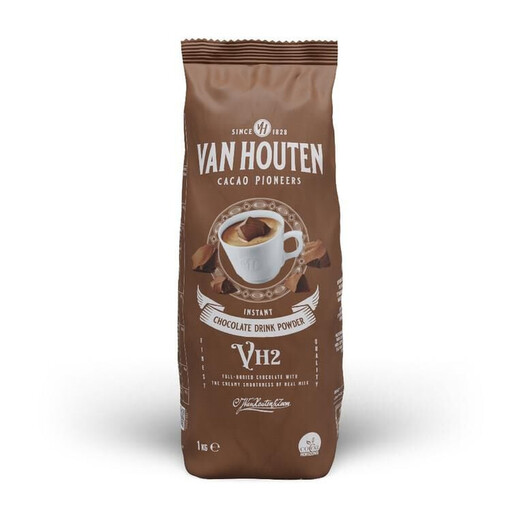 Image unavailable
This size may be suitable for several batches if your recipe works with a chocolate drink mix. The title states 34%, but the description says this cocoa content relates to one component of the mix, not the product as a whole.
The description states that it contains around 60 g of sugars per 100 g and includes milk. Check the packaging and test the quantities before the bake sale.
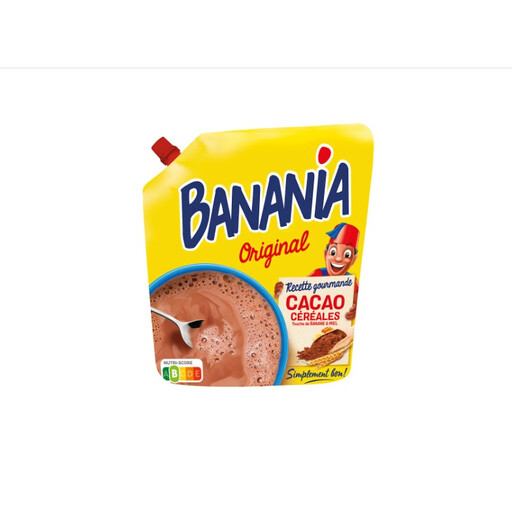 Image unavailable
This 1 kg pack may suit several batches if your recipe works with a chocolate drink mix containing cereals. The product description states that it contains 19% cocoa and 69 g of sugars per 100 g.
It also lists gluten and possible traces of milk and soya. Check the product name and ingredients on the pack you receive before baking.
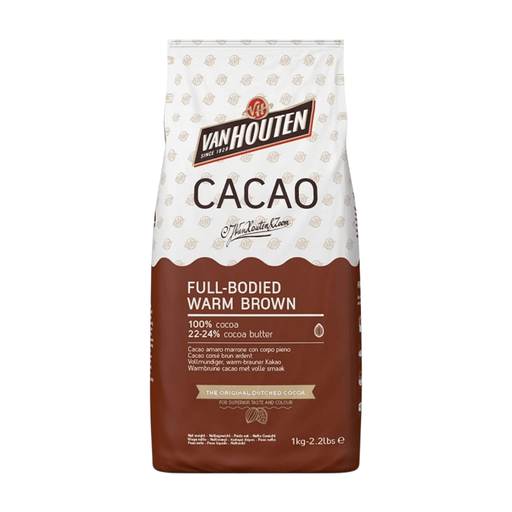 Image unavailable
The 1 kg pack size and the baking use mentioned in the description may appeal to organisers making several batches.
The title states 14.7%, while the description presents the product as pure cocoa and gives a different indication of its composition. Check the label and what this percentage refers to before using it in a recipe.
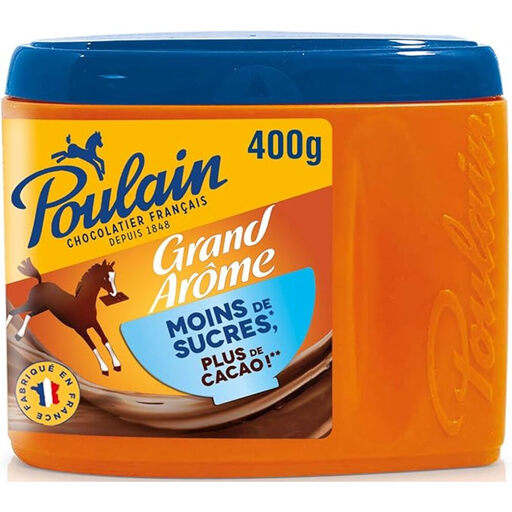 Image unavailable
The 400 g pack may suit a smaller bake than a 1 kg pack. The product description states that it contains at least 47% cocoa and 52 g of sugars per 100 g.
Work out how much you need for your batches and bake a test batch before adjusting the sugar in your recipe.
Not directly: a chocolate drink mix may already contain sugar and other ingredients. Check its ingredients, adjust the recipe accordingly and bake a small test batch before making cakes for the sale.
Check the ingredients and allergens for each product you actually use rather than assuming an entire category is free from allergens. ANSES notes that substances that cause allergies or intolerances must be highlighted on food labels; keep the packaging so you can give families the information they need.
No. Santé publique France states that displaying Nutri-Score is voluntary. It should not be confused with the nutrition information required on most prepacked foods, as described by the European Commission. In particular, check the values per 100 g and the ingredients list.
No, it shouldn’t be applied automatically. Article 1613 ter of the French General Tax Code, published on Légifrance, covers drinks and liquid drink preparations that meet specific criteria. You can’t determine whether a particular product qualifies based on its commercial name alone.
Choose bakes you can store under the right conditions and follow your school’s guidance. The French Ministry of National Education recommends reducing food-safety risks at school snacks and fêtes, and draws attention to perishable foods, particularly cakes topped with crème pâtissière or Chantilly cream.