Parents who like to portion things in advance
If you pack the lunchbox before heading out, individually wrapped pieces or a few squares from a bar let you choose exactly what goes in, without making chocolate the main part of the snack.


For a school lunchbox, mini portions let you choose how many pieces to pack. You can also break a few squares off a bar and portion them out in advance. Either way, check the allergens and nutritional information for the specific product you’re buying. A smaller size alone tells you nothing about its sugar content or whether it’s suitable for someone following an elimination diet.
If you pack the lunchbox before heading out, individually wrapped pieces or a few squares from a bar let you choose exactly what goes in, without making chocolate the main part of the snack.
Check the label for milk and any other potential allergens on the exact product you’re buying. Individual wrapping alone doesn’t confirm whether it’s suitable for your child’s dietary requirements.
To compare two recipes, look at the sugar, energy and fat content per 100 g. The size of the pieces and whether a Nutri-Score is shown don’t replace this information.
First decide how you’ll portion the amount to take with you, then read the label of the product you’re planning to put in the lunchbox.
| What to consider | What to check | Who is it for? |
|---|---|---|
| Amount to take | Number of pieces per pack and whether you can put just a few in the lunchbox. | I want to decide how many pieces to pack before we leave, rather than making the whole packet available. Around 40% of consumers make portion control their priority. |
| Allergens | Ingredient list for the exact product and any relevant ‘may contain’ statements, in line with your child’s requirements. | If my child needs to avoid an ingredient, a convenient format isn’t enough: I need to check the recipe I’m buying. Around 30% of consumers prioritise this suitability check. |
| Nutritional information | ‘Of which sugars’, energy and fat per 100 g; check the Nutri-Score only if it appears on the pack. | When choosing between two mini formats, I want to compare the recipes on a like-for-like basis rather than judge them by size alone. Around 30% of consumers prioritise this comparison. |
The size of a piece doesn’t, on its own, tell you about the recipe or how much you’ll end up putting in the lunchbox.
Decide how many pieces to pack, then compare the sugar and energy content per 100 g of the products you’re considering.
According to France’s Directorate-General for Competition Policy, Consumer Affairs and Fraud Control, Nutri-Score is voluntary in France. If it’s not shown, you still need to read the nutritional information.
If it is shown, use it as an additional guide and check the ingredient list too.
Recipes vary from one product to another. For example, Nestlé lists almonds and hazelnuts in its Lanvin praline.
If you’re avoiding an ingredient, read the label on the pack you’ve bought and follow any medical or school guidance that applies to your child.
The legislation published by Légifrance covers drinks and liquid preparations for drinks, not solid chocolate bars or bites.
When choosing between solid chocolate products, focus instead on the format, ingredients, allergens and nutritional information.
Lindt France describes its 188 g LINDOR Milk Squares bag as containing 26 individually wrapped squares.
Nestlé France offers, among other products, Lanvin praline snails coated in chocolate.
A 200 g Milka milk chocolate bar can be broken into a few squares at home before you pack the lunchbox.
This selection includes bars, milk chocolate confectionery and mini pieces, so you can choose a format to suit the amount you want to take. Their shape or size doesn’t remove the need to check the recipe and the label on each pack.
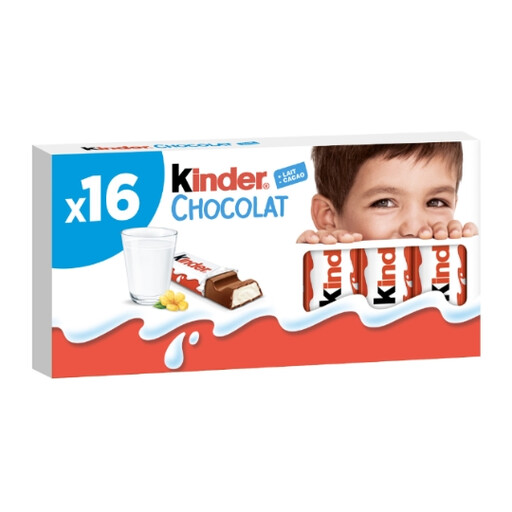 Image unavailable
This pack contains 16 bars, so you can choose how many to put in a lunchbox. Before selecting them, check the sugar content per 100 g and the allergens on the packaging.
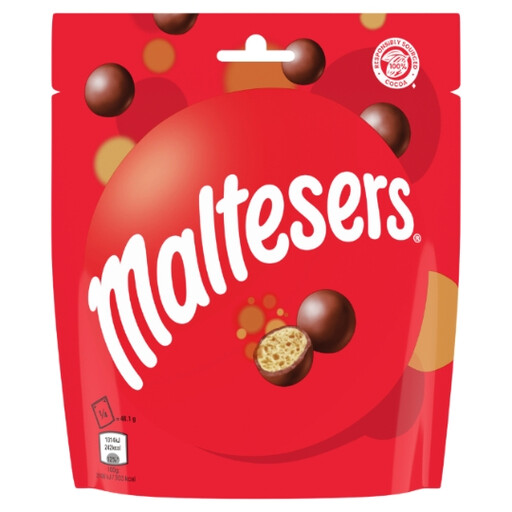 Image unavailable
This bag of honeycomb-centred pieces is handy if you’d like to take out a few rather than put the whole bag in the lunchbox. Decide how many to pack in advance, and check the allergens and nutritional information on the packet.
 Image unavailable
The six tubes are separate portions for packing a lunchbox. Each tube weighs 34 g, so choose how much to take to suit your needs, then check the allergens and nutritional information on the packaging.
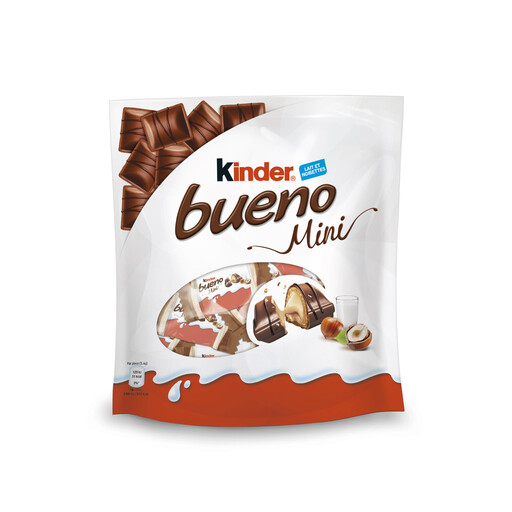 Image unavailable
The Mini format lets you choose a few pieces from this 108 g bag for the lunchbox. To compare it with another product, use the nutritional information on the pack and check its ingredients and allergens.
No. According to France’s Directorate-General for Competition Policy, Consumer Affairs and Fraud Control, Nutri-Score is voluntary in France, while prepacked foods generally have to include a nutrition declaration. If there’s no logo, compare the nutritional information and the ingredient list.
Read the ingredient list and precautionary statements on the exact pack you’re buying. If your child is avoiding certain foods, check them against their medical or school guidance. The brand name and the small size of the pieces alone aren’t enough to establish whether they’re suitable.
Manger Bouger recommends limiting fatty and sugary foods in your everyday diet, and suggests bread with a few squares of chocolate as part of a varied snack. For a lunchbox, choose the squares or pieces you’ll pack in advance rather than putting in the whole packet.
No. The scope of the levy described by Légifrance covers drinks and liquid preparations for drinks, not solid chocolate bars or bites. Sugar content is still worth comparing on the label.