Whether you’re sharing chocolate bars or getting snacks ready, choose a multipack based on the number of bars, their weight and the label for the exact recipe. For the marathon itself, a chocolate multipack is no substitute for fuelling you’ve already tried in training: the IRBMS advises sticking to your usual eating habits before a competition.
Who are these multipacks for?
Runners organising their snacks
A multipack can help you plan snacks around your training sessions. But don’t confuse this kind of preparation with trying a new food on race day: the IRBMS recommends sticking to your usual routine before a competition.
Households preparing lunchboxes
Individually wrapped bars make it easier to divide them up. If the chocolate is for several people, check the weight of each bar, along with the ingredients and allergens for the product you’re buying.
Shoppers planning to share
The number of bars doesn’t tell you everything: among the multipacks described by Carrefour, three 100 g bars and two 205 g bars add up to different amounts to share.
What should you check before buying?
Start with how you plan to use it — for sharing, your usual snacks or race-day preparation — then check the format and the label for the specific variety you’ve chosen.
| What to consider |
What to check |
Who is it for? |
| How the multipack is divided |
Count the bars and compare their individual weight with the total net weight. |
When preparing several lunchboxes without opening a large bar, I look for easy-to-divide portions; around 40% of consumers prioritise this. |
| Eating habits around race day |
Distinguish between a snack you have outside the race and fuelling you’ve already tried in training. |
If I’m preparing for a marathon, I don’t want to discover a new food on race day; sticking to a tested routine is the main priority for around 30% of consumers. |
| Ingredients and labelling |
Read the ingredients and allergen information for the exact variety, then compare the nutritional values per 100 g. |
When I’m sharing chocolate, I need to be able to check its ingredients for anyone concerned; nutritional information and allergens come first for around 30% of consumers. |
Common misconceptions to avoid
-
Applying the sugary drinks tax to chocolate bars
The rates set out in the Official Public Finances Bulletin – Tax apply to the non-alcoholic drinks covered by the rules, not to chocolate bars.
When comparing chocolate bars, look at their format, ingredients and nutritional values instead.
-
Expecting every pack to carry a Nutri-Score
The DGCCRF describes Nutri-Score as a voluntary label. A nutrition declaration is still mandatory for prepacked foods where this requirement applies.
Compare the nutritional information per 100 g, and don’t draw conclusions from the presence or absence of the logo alone.
-
Making a new chocolate bar your marathon fuel
A multipack that’s handy for snacks doesn’t, by itself, determine what you eat and drink during a race. The IRBMS advises sticking to your usual eating habits before a competition.
If you’re thinking of taking food with you during exercise, try out your plan in training rather than changing it on race day.
-
Choosing based on the number of bars alone
Formats and recipes vary. The products described by Carrefour include 100 g milk chocolate bars and 205 g dark chocolate for baking, each with its own allergen information.
Before sharing a multipack, check the weight of each bar and the label for the variety you’ve bought.
Brands and products to know
These pack examples relate to specific products described by Carrefour, not every product from each brand.
Milka
The Alpine Milk product described by Carrefour contains 5 bars of 100 g, giving you 500 g to share.
- Five bars of the same weight make it easy to plan several portions.
- The ingredients include milk, soya and hazelnut paste, and there may also be traces of other nuts and wheat. Check the exact packaging.
Lindt
The L’Authentique milk chocolate multipack described by Carrefour contains 3 bars of 100 g.
- Three identical bars give you 300 g to share.
- The ingredients listed for this product include milk, soya and barley malt extract; they don’t apply to other Lindt recipes.
Côte d’Or
The L’Original milk chocolate product described by Carrefour comes in a pack of 3 bars of 100 g.
- The multipack contains 300 g divided into three bars.
- This recipe contains milk and soya and may contain nuts; check the variety if you choose a different recipe.
Nestlé Dessert
The dark chocolate for baking described by Carrefour contains 2 bars of 205 g, giving you 410 g in total.
- This format is suited to baking or sharing at home.
- This product may contain milk and nuts; its allergen information doesn’t apply to other Nestlé Dessert products.
Formats available on Joybuy
This selection includes multipacks of chocolate bars to share, as well as packs of chocolate bars for snacks you can divide up. The chocolate bars aren’t classic chocolate slabs, and none of these formats is a marathon fuelling plan in itself.
 Image unavailable
Milka Alpine Milk, 3 × 100 g
Three bars of the same weight make it easy to plan sharing or separate snacks. Check the ingredients and allergen information for the variety you receive before offering it to someone else.
View on Joybuy
 Image unavailable
Toblerone Milk, 3 × 50 g
This pack of three 50 g bars is handy for sharing in portions smaller than a 100 g bar. It’s a pack of chocolate bars, rather than a multipack of classic chocolate slabs.
View on Joybuy
 Image unavailable
Poulain Extra Dark, 3 × 100 g
Three dark chocolate bars to divide between baking and sharing at home. If the multipack is for other people, check the allergen information on the packaging.
View on Joybuy
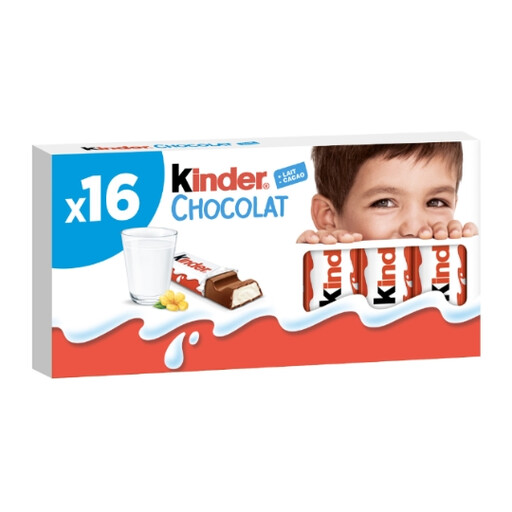 Image unavailable
Kinder Chocolate, 16 bars
This pack of individually wrapped bars makes it easy to prepare separate portions for sharing. They’re chocolate bars, not slabs; check the label before putting them in a lunchbox.
View on Joybuy
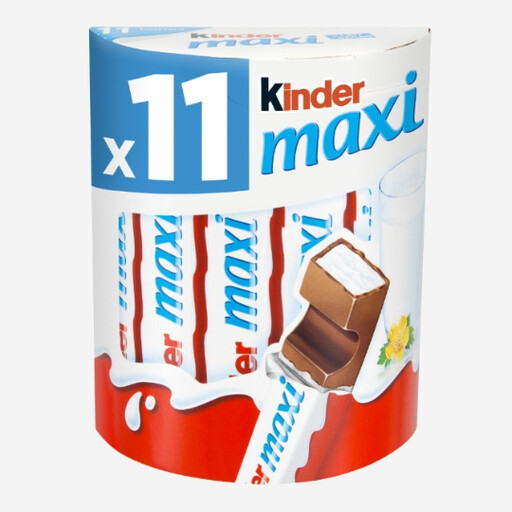 Image unavailable
Kinder Chocolate Maxi Pack, 11 bars, 231 g
Eleven chocolate bars in a 231 g pack, ideal for snacks you can divide up. If you need individual portions to put into separate lunchboxes, check the packaging to see whether they’re individually wrapped.
View on Joybuy
Frequently asked questions
Does the French tax on sugary drinks apply to chocolate bars?
No, not the levy referred to here: the rates set out in the Official Public Finances Bulletin – Tax apply to non-alcoholic drinks that meet the relevant criteria, not to chocolate bars.
Does a chocolate bar sold in France have to carry a Nutri-Score?
No. According to the DGCCRF, Nutri-Score is voluntary. For prepacked foods covered by the rules, the mandatory nutrition declaration lets you compare values per 100 g, even if the logo isn’t present.
What should you check before putting chocolate in a lunchbox?
Check the variety, the weight of each bar, the ingredients list and the allergens shown on the packaging. Labelling varies from one recipe to another, even within the same brand.
Can a new chocolate multipack be used for fuelling on marathon day?
Don’t make race day your first time trying a food intended to fuel your effort. The IRBMS recommends sticking to your usual eating habits before a competition, so keep snacks for sharing separate from the fuelling plan you’ve already tried in training.


