People buying larger packs to share
If several people will be sharing the bars, check the number of bars and the net weight, then consider whether you’ll use the whole pack.


To avoid buying more than you need, choose a multipack with enough bars for the people you plan to share them with or pack into lunchboxes. Check the weight of each bar too: three large bars won’t divide up in the same way as six small ones. Before choosing, check the sugar content per 100 g and the allergens on the packaging. If a Nutri-Score is shown, it can provide an additional point of reference.
If several people will be sharing the bars, check the number of bars and the net weight, then consider whether you’ll use the whole pack.
Bars that are easy to count make portioning simpler. Check their weight and the allergens in the product you’ve chosen before packing the lunchboxes.
The ‘sugars’ line lets you compare nutritional values per 100 g. According to Santé publique France, displaying the Nutri-Score is voluntary. If it appears on the pack, read it alongside the nutritional information and ingredients.
When choosing a multipack to share or use for lunchboxes, start with the number of portions you actually need, then check the label of each product.
| What to consider | What to check | Who is it for? |
|---|---|---|
| How much you’ll use | Number of bars, net weight and how much you expect to eat before the best-before date. | I’ll be sharing the pack over several breaks and don’t want any bars to go unused. Buying a quantity that suits your needs could be a priority for around 42% of consumers. |
| How to portion the bars | Weight of each bar and number of individual bars. | When preparing several lunchboxes, I want to be able to put one bar in each without having to divide a large one. Around 33% of consumers could prioritise this kind of portioning. |
| Sugars and allergens | Sugars per 100 g, ingredients and allergens; Nutri-Score if shown. | If the bars are for different people, I need to check what’s in them before handing them out. Around 25% of consumers could prioritise checking the nutritional information and allergens. |
As the French Ministry of the Economy explains, the contribution known as the ‘soda tax’ applies to sugary drinks, not chocolate bars. It doesn’t tell you anything about the ingredients in a bar.
To compare two products, check the ‘sugars’ figure per 100 g and the weight of the portion you’ll eat.
According to Santé publique France, displaying it is voluntary. If it’s not shown, you should still check the nutritional information: EU rules require relevant prepacked foods to include a nutrition declaration.
If it is shown, use it alongside the nutrition declaration, ingredients list and allergen information.
A high net weight doesn’t tell you how many individual bars you’ll be able to hand out. The pack may also contain more than you’ll eat.
Count the bars and compare the number with the lunchboxes or sharing occasions you have in mind.
Any bars left unused could end up going to waste.
Ingredients vary between products. The Carrefour and E.Leclerc product pages consulted list ingredients such as wheat, milk, soya, peanuts or eggs, depending on the product.
Before preparing a lunchbox or handing out the bars, check the allergens listed on each pack you receive.
Carrefour lists a Twix multipack of 10 50 g bars, combining biscuit, caramel and chocolate.
Carrefour’s product page lists a KitKat pack of 6 41.5 g bars.
Carrefour lists a SNICKERS pack of 10 50 g bars, with peanuts, nougat and caramel.
This Marque Repère product from E.Leclerc contains 5 bars, with a net weight of 130 g.
These options range from smaller bars to divide between lunchboxes to larger bars for sharing. Check the number and weight of the bars to choose a format that suits your plans, and always check the label of the product you buy.
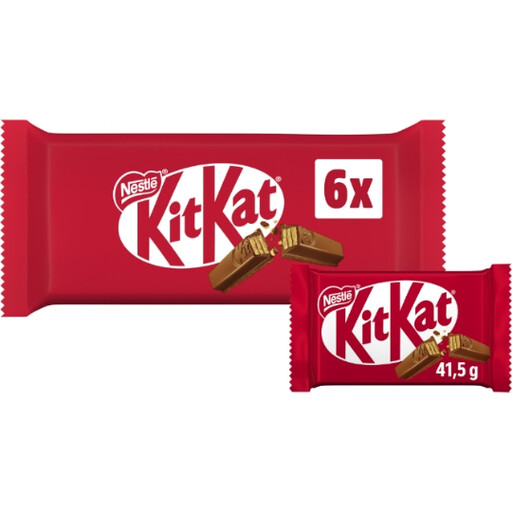 Image unavailable
With six bars to share between breaks or lunchboxes, this pack shows the weight of each bar. Check the allergens on the pack you receive.
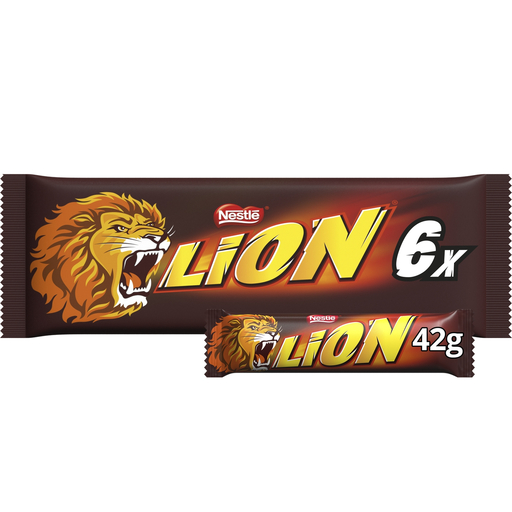 Image unavailable
Six 42 g bars make it easy to plan one bar for each break. Before sharing them, check the allergens and any ‘may contain’ information on the packaging.
 Image unavailable
This pack of 11 bars is a good option if you’re planning to share them on several occasions. Compare the total quantity with the portions you’ll actually need, and check the allergens on the pack.
 Image unavailable
With three 50 g bars, this pack is better suited to sharing between a few people than preparing lots of lunchboxes. Check the ingredients and allergens on the packaging.
 Image unavailable
These three 100 g bars are worth considering if you want to share larger bars. They won’t portion out in the same way as a pack of smaller bars. Check the allergens on the pack you receive.
No. The contribution on sugary drinks described by the French Ministry of the Economy applies to drinks, not chocolate bars. For a chocolate bar, check the ‘sugars’ figure in its nutritional information.
No. Santé publique France says that displaying it is voluntary. However, EU rules for prepacked foods require a nutrition declaration, which includes details such as fat and sugars.
First compare the sugars per 100 g, then check the weight of the bar you plan to eat. A 50 g bar and a 41.5 g bar don’t make the same-sized portion.
Read the allergen information on the pack of the product you’ve bought. The Carrefour product pages consulted list wheat and milk for the KitKat 6 × 41.5 g pack, while the Twix 10 × 50 g product also lists soya. Don’t assume these lists apply to other varieties.