What should you look for before buying?
When choosing between bites, mini bars and a large bag, start with how you plan to use them: comparing ingredients, preparing lunchboxes or serving an assortment to a group.
| What to consider |
What to check |
Who it matters to |
| Sugars and energy |
Compare the figures per 100 g, then check those per piece if provided. |
When preparing a snack, I want to compare the nutritional content without mistaking a smaller piece for a chocolate with less sugar. Around 42% of consumers put comparing sugars and energy at the heart of their choice. |
| How the units are divided |
Check the number of pieces and their weight; confirm whether they’re individually wrapped if that matters to you. |
When preparing several lunchboxes, I look for units that are easy to assign to each one. Around 33% of consumers say this ease of portioning is their main priority. |
| Sharing and variety |
Check the stated number of bites, the recipes and their ingredients lists. |
When serving several people, I prioritise having enough pieces and a variety of recipes, even if I have to divide them up myself. Sharing and variety come first for around 25% of consumers. |
Multipacks available on Joybuy
These multipack chocolates let you compare counted formats for a mid-morning snack or sharing. The number of pieces doesn’t replace checking the ingredients and nutritional values.
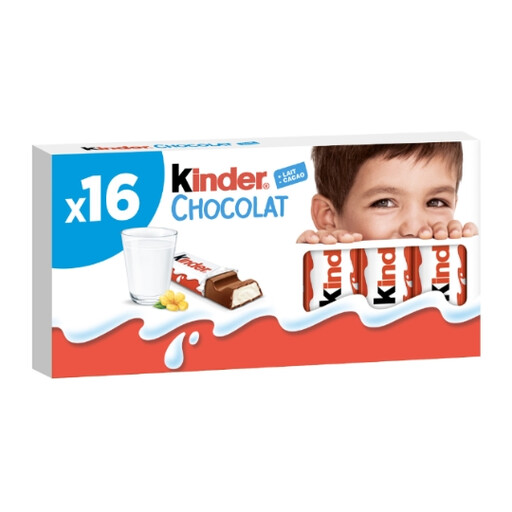 Image unavailable
Kinder Chocolate x16
This pack of 16 bars is a good choice if you want to count out units to divide between several lunchboxes. The bars are described as individually wrapped; check the nutrition information per bar on the packaging if you need it for comparison.
View on Joybuy
 Image unavailable
Toblerone Milk, 3 × 50 g
The three 50 g bars give you individual units to count out for sharing. They’re larger than a small bite, so compare the figures per 100 g and check the ingredients before deciding how to divide them up.
View on Joybuy
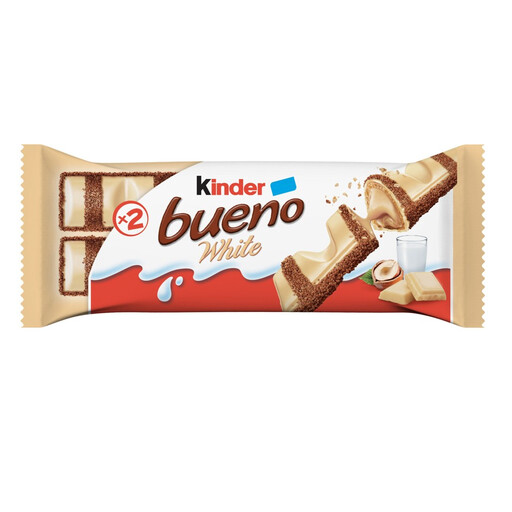 Image unavailable
Kinder Bueno White Bipack, 39 g
This bipack of two bars gives you two units to count out for a snack or to share. If each bar needs to go in a different lunchbox, check how they’re packaged. Also check the ingredients and nutrition information per bar on the packaging.
View on Joybuy
 Image unavailable
Kinder Chocolate Bars Maxi Pack, 11 bars, 231 g
This pack of 11 bars is a good choice if the number of units matters when organising sharing. It weighs 231 g in total; check how each bar is packaged if you want to put them in separate lunchboxes.
View on Joybuy
 Image unavailable
Nestle KitKat Strawberry Short Cake, 9 pieces, 104,4 g
This pack of nine is a good choice if you’re looking for units to divide between several lunchboxes. The mini bars are described as individually wrapped; to compare sugars with another chocolate, check the nutrition information on the packaging.
View on Joybuy
Frequently asked questions
Does the soft drinks tax apply to boxes of chocolates?
No. In France, Article 1613 ter of the General Tax Code, published on Légifrance, concerns a levy on non-alcoholic drinks, not boxes of solid chocolates. To compare these products, look instead at their sugar content.
Does a box of chocolates have to display a Nutri-Score?
No. The DGCCRF describes Nutri-Score as voluntary labelling in France. However, it says that a nutrition declaration is compulsory for prepacked foods. This includes information such as energy, fat, sugars, protein and salt.
How do you compare a bag of bites with a pack of bars?
First compare energy and sugars per 100 g so you’re using the same basis. Then check the weight and the figures per piece where provided. These can help you distinguish between units to divide up, without treating a single piece as a recommended portion.
What should you check before sharing assorted chocolates?
Check the ingredients and allergens for the exact product, including those in each recipe. Depending on the product, the Lindt and Carrefour listings mention milk, soya or hazelnuts. Don’t assume you know what a bite contains based only on its name or size.


