What should you look for?
The format can make preparation easier, but you’ll need to check each product to ensure it meets your child’s dietary requirements.
Mini bars and bars
Worth considering: if you want to count out portions without breaking up a bar.
Bear in mind: if it matters for your routine, check whether each item is individually wrapped.
Individually wrapped chocolates and bites
Worth considering: if you want to divide a box between several lunchboxes.
Bear in mind: a praline bite may have a different recipe from a milk chocolate. Check each variety individually.
Multipack of bars
Worth considering: if you want to choose how much to put in each lunchbox.
Bear in mind: you’ll need to portion and pack the pieces before setting off.
| What to check | Look for | Who is this useful for? |
|---|
| Allergens and dietary requirements |
Read the ingredients and any ‘may contain’ warnings for the exact product. Follow the PAI if there is one. |
If my child needs to avoid certain ingredients, I need to check the recipe before putting chocolate in their lunchbox. Around 40% of shoppers prioritise compatibility with individual dietary requirements. |
| Portioning |
Compare the number of pieces, their weight and packaging: individually wrapped pieces, a box of bites or a bar to break up. |
When I’m preparing several lunchboxes, I want to know how many pieces to set aside without having to improvise in the morning. Around 30% of shoppers say ease of preparation is their main priority. |
| Label and portion size |
Compare sugars, fat, energy and salt per 100 g, then check the weight of the portion you plan to pack. |
To choose between two recipes or sizes, I need to compare the same quantity of product, then consider how much I plan to pack. Around 30% of shoppers put this nutritional comparison first. |
Joybuy products for portioning
These multipacks of bars or milk chocolate sweets give you individual portions to divide between several lunchboxes. Check the packaging and ingredients for each product.
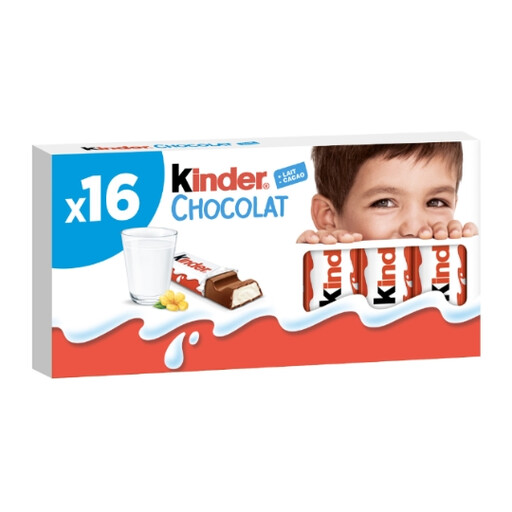 Image unavailable
Kinder Chocolate x16
This pack of 16 bars makes it easy to count out portions for several lunchboxes. Before handing them out, check the ingredients on the packaging and each child’s dietary requirements.
View on Joybuy
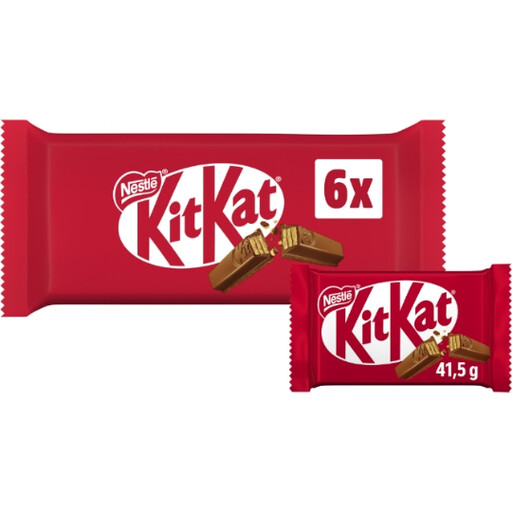 Image unavailable
KitKat, 6 x 41.5 g milk chocolate bars
With six 41.5 g bars, you can pack one in each lunchbox if that suits your routine. Check the ingredients list and the school’s guidelines before packing or sharing them.
View on Joybuy
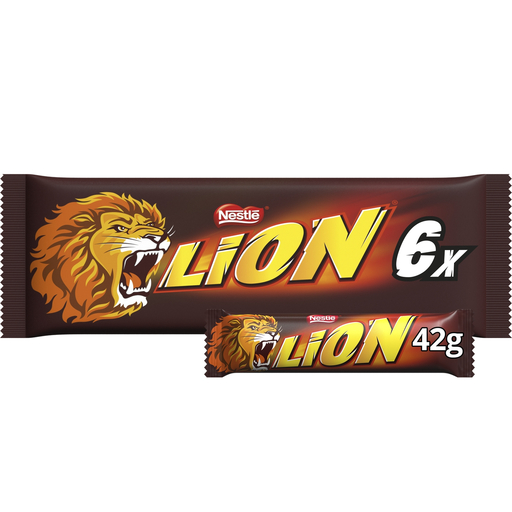 Image unavailable
Lion, 6 x 42 g milk chocolate bars
This pack of six 42 g bars is suited to portioning by the bar, rather than breaking up a larger one. Check the exact recipe, especially if a child needs to avoid certain ingredients.
View on Joybuy
 Image unavailable
SMARTIES Hexatube, 6 x 34 g tubes
The six tubes are easy to count out, but these are sugar-coated milk chocolate sweets, not chocolate bars. Read the ingredients and nutritional information on the packaging before choosing this product.
View on Joybuy
 Image unavailable
Toblerone Milk, 3 x 50 g bars
This pack of three 50 g bars can be divided between lunchboxes or portioned at home. If you need individually wrapped portions, check the packaging. Also check the ingredients against your child’s dietary requirements.
View on Joybuy
Frequently asked questions
Is Nutri-Score compulsory on milk chocolate in France?
No. According to the French Ministry of the Economy, Nutri-Score is optional and supplements the nutritional declaration required for relevant prepacked foods. If it isn’t shown, compare the values per 100 g instead.
Does the French tax on sugary drinks apply to solid chocolate?
No. The provisions published by Légifrance apply to drinks and liquid drink preparations, not to bars, individually wrapped chocolates or solid bites simply because they contain sugar. To compare these chocolates, check their nutritional information.
Can you put milk chocolate in the lunchbox of a child with an allergy?
It depends on the ingredients in the specific product and your child’s individual requirements. Check the allergens listed and any ‘may contain’ warnings. If a PAI sets out dietary adjustments, follow the arrangements agreed with the school.
How can you keep the information for chocolate portioned at home?
Follow the storage instructions on the packaging and put the pieces in a clean, sealed container. Keep the original packaging or a clear photo of the label so you can refer back to the ingredients, allergens and date shown on the product.
Should you check with the school before bringing chocolate to share?
Yes. Before planning to share, ask what guidelines apply to the class and the children concerned. The French Ministry of National Education says a PAI can set out arrangements for a pupil with a food allergy; any shared product must follow those arrangements.


