Runners planning snacks
Individually wrapped bars are easy to take with you and can be handy for snacks during training or while travelling. However, the packaging alone won’t tell you what to eat during a race.


For snacks to enjoy during training or share at home, choose between mini bars, assorted bars and multipacks of the same flavour based on the number of bars, net weight and recipes. These factors alone won’t tell you whether a multipack is suitable for fuelling a marathon: the pack format doesn’t indicate how it fits into a race plan or how well you’ll tolerate it.
Individually wrapped bars are easy to take with you and can be handy for snacks during training or while travelling. However, the packaging alone won’t tell you what to eat during a race.
The number of bars and the net weight can help you choose between an assortment to share and a multipack of identical bars, depending on your household’s preferences and plans.
With an assortment, check the ingredients in every recipe included. In the mini-bar mix featured by Carrefour, for example, the ingredients vary: Snickers contains peanuts, while Twix contains wheat.
For snacks outside a race, start by considering when you’ll eat them and what they contain. Then compare the number of bars and the pack sizes that suit your household.
| What matters | What to check | Who it matters to |
|---|---|---|
| Use during a marathon | Distinguish snacks for outside a race from a fuelling plan; don’t assume packaging alone makes a product suitable to eat during exercise. | If I’m preparing for a race, I want to know what actually fits into my fuelling plan, rather than relying on a large multipack of confectionery. Around 36% of consumers prioritise how they’ll use a product. |
| Pack size for your household | Compare the net weight, number of bars and how much your household expects to use. | For snacks at home, I look for a multipack with the right number of bars for my household, rather than being guided by the size of the bag alone. Around 29% of consumers say this is their priority. |
| Ingredients and allergens | Read the ingredients, highlighted allergens and any ‘may contain’ warnings for every recipe included. | If I need to avoid an ingredient, one suitable bar doesn’t make the whole assortment suitable. Around 21% of consumers put ingredients ahead of pack format. |
| Portions to share | Check the number of bars and, if needed, whether they’re individually wrapped. | When sharing snacks between several people or occasions, I want the bars to be easy to divide up. Around 14% of consumers prioritise this. |
An individually wrapped bar is still confectionery. Neither its packaging nor its sugar content tells you how much to eat or when during a race.
Choose a multipack for the snacks you’ve planned to enjoy outside a race. For fuelling during an event, make a separate plan that takes your training and personal tolerance into account.
Nutri-Score is optional. The Directorate-General for Competition, Consumer Affairs and Fraud Control states that nutrition information is required for prepacked foods, subject to applicable exemptions.
Check the nutritional values per 100 g, particularly the sugars and fat, as well as the ingredients and allergens for the product you choose.
Recipes in the same box can vary. The assortment described by Carrefour includes Snickers bars containing peanuts and Twix bars containing wheat.
If you have an allergy or need to avoid an ingredient, check the label for every variety in the multipack before choosing it.
These products illustrate the range of recipes and pack formats available. A brand name alone won’t tell you what each variety contains.
Caramel chocolate bars available in several pack formats.
A chocolate bar with peanuts, also included in some mini-bar assortments.
A biscuit, caramel and chocolate bar, also available in standard multipacks.
Chocolate bars available in multipacks of the same variety.
Own-brand products to compare by recipe and pack format.
An own-brand food range where each product should be checked individually.
These formats include mini bars and multipacks that you can divide up for snacks outside a race. Compare the quantities shown and check the ingredients for each product before choosing.
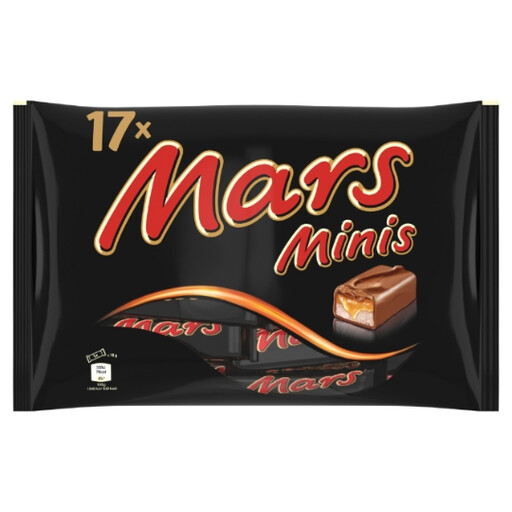 Image unavailable
This bag of mini bars could be handy for sharing as snacks outside a race. The stated weight is 333 g. Check the ingredients and allergens for this product before sharing.
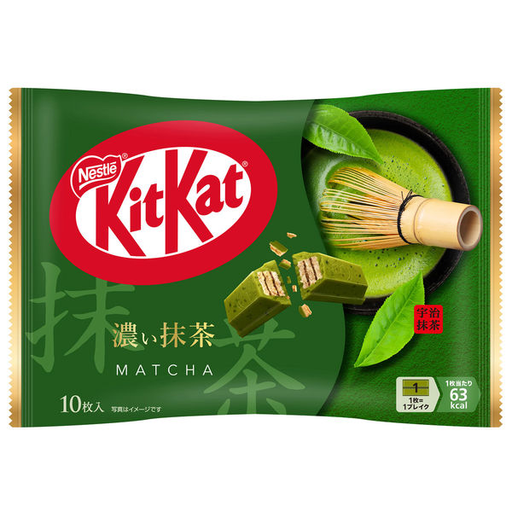 Image unavailable
This mini format could be an option for snacks to share outside a race. The pack is listed as 113 g. If you need to avoid certain foods, check the recipe and allergens for this variety.
 Image unavailable
The three bars listed make it easy to plan several occasions to share outside a race. If you want to take them individually, check the packaging. The stated recipe contains almonds, milk and soya.
 Image unavailable
The number of bars can help you plan snacks for your household. The pack contains 11 bars and weighs 231 g. If you want to take them individually, check whether each bar is wrapped separately, and check the recipe for allergens.
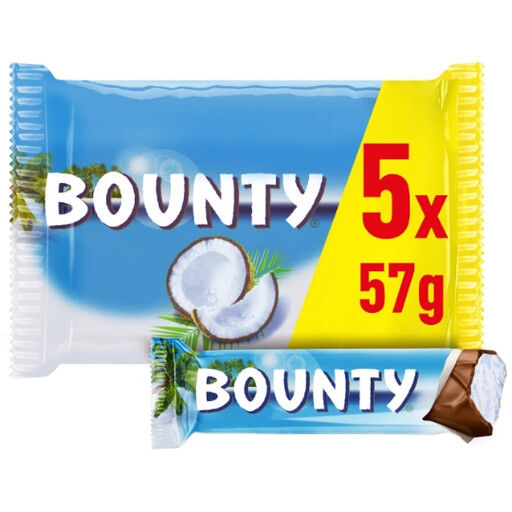 Image unavailable
The five bars listed can be divided up for several snacks outside a race. Check the net weight on the packaging before comparing this format with another. The stated recipe contains milk and soya.
No. Article 1613 ter of the General Tax Code, published on Légifrance, covers drinks and liquid preparations for drinks subject to this levy, not solid chocolate bars.
No, this logo is optional. Nutrition information is generally required for prepacked foods, subject to applicable exemptions, as stated by the Directorate-General for Competition, Consumer Affairs and Fraud Control. Compare the values per 100 g and check the ingredients too.
Read the ingredients and highlighted allergens for every recipe included, as well as any ‘may contain’ warnings. The Ministry of the Economy reminds businesses that allergenic ingredients must be identified, so checking just one bar isn’t enough when an assortment contains different recipes.