Parents sharing out snacks
You want to know how many bars are in a pack and how much each one weighs before sharing them out. If someone in your household needs to avoid an ingredient, check the allergens for the product you choose.


When shopping for a large family, first check the weight of each bar and how many units you plan to share out. Then compare the nutritional information per 100 g and, where available, per portion. Finally, check the ingredients and allergens for each recipe: buying a pack of smaller bars does not, by itself, change the product’s composition.
You want to know how many bars are in a pack and how much each one weighs before sharing them out. If someone in your household needs to avoid an ingredient, check the allergens for the product you choose.
You want to compare sugars, energy and fat per 100 g, then see how these figures compare with the portion shown on the packaging. The full ingredients list gives you more information.
You’re choosing between a single bar and a multipack. The number of units, their weight and the best-before date can help you pick an amount that suits your household.
Start with the portion everyone will actually eat, then read the label for the specific recipe. For pre-packed food, the DGCCRF reminds shoppers to check the nutrition declaration, ingredients list and highlighted allergens as part of the product labelling information.
| What to check | Look for | Who is this relevant to? |
|---|---|---|
| Ingredients and allergens | Compare the figures per 100 g and per portion, where shown on the packaging. Read the ingredients list and check which allergens are highlighted. | If someone in my household needs to avoid an ingredient, I need to rule out the relevant recipe before sharing out the bars. Around 45% of shoppers put ingredients and allergens at the top of their list of priorities. |
| Quantity for your household | Check the number of units, their weight and the best-before date before choosing a multipack. | When several people will have a bar at different times, I look for a pack with a quantity we can use up. Around 33% of shoppers say quantity is their main consideration. |
| Size and texture | Check the weight of each bar and the recipe description, such as wafer, caramel or hazelnut. | For a treat to enjoy on its own, I’d rather choose a bar with a size and texture I like than rely on the word ‘individual’. Size and texture come first for around 22% of shoppers. |
In France, the levy known as the ‘soda tax’ applies to sugary drinks, according to the Ministry of the Economy; it does not apply to chocolate bars.
To compare two bars, check their portion sizes, nutritional information and ingredients instead.
Santé publique France explains that displaying the Nutri-Score is voluntary. So its absence alone tells you nothing about the composition of a bar.
If it appears on the packaging, use it as an additional guide, and also check the nutritional declaration and allergens for that specific product.
A multipack might contain lots of small bars or a few heavier ones. The number on the front of the pack alone doesn’t tell you how much you’ll be sharing out.
Check the weight of each bar, the number of units and the best-before date before stocking up.
A different filling or format can mean different ingredients and allergens. Information for one product doesn’t automatically apply to other varieties from the same brand.
Read the specific packaging again if the recipe, flavour or format changes.
Mars lists Snickers and Twix among its brands. These products may appeal to households comparing different chocolate bar recipes.
KitKat describes its Milk Chocolate bar as a wafer covered in milk chocolate, and offers it in several formats.
Carrefour’s range includes own-brand chocolate bars in different pack sizes, including a pack of 10 × 21 g.
E.Leclerc lists a P'TIT DELI bar in a pack of five, with its ingredients and nutritional information.
These products include multipacks of bars or chocolate pieces that you can share around the household, with different weights per unit. Choose based on the quantity you need, then check the label for the specific recipe.
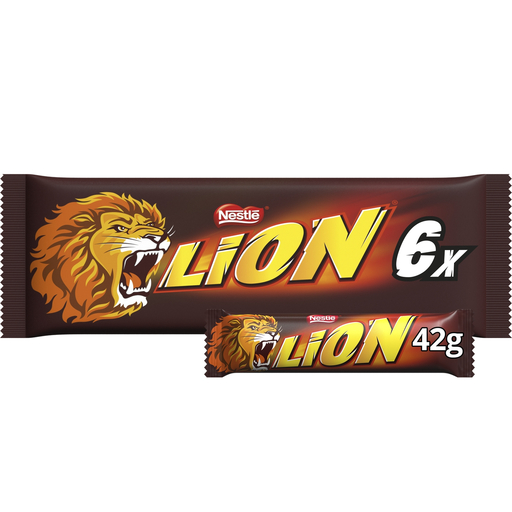 Image unavailable
This multipack is a good choice if you want to share out six bars of the same weight. It contains 6 bars of 42 g each; check the ingredients and allergens for this recipe before handing them out.
 Image unavailable
This pack could suit you if you’re planning to share out several smaller bars. It contains 11 bars with a total weight of 231 g; check the label to compare the ingredients and portion sizes.
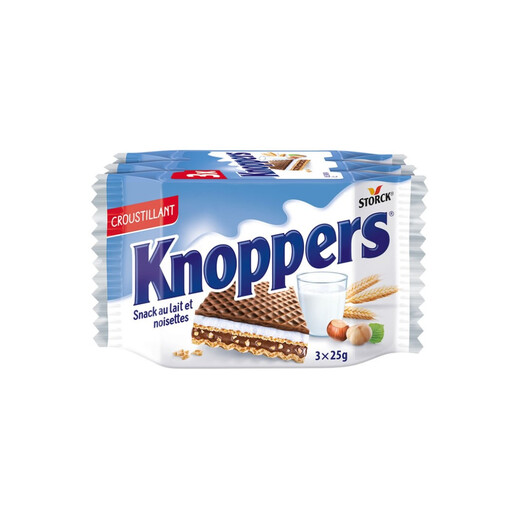 Image unavailable
This multipack gives you three 25 g units to share out. If each one needs to be carried separately, check its packaging; also look at the ingredients for the milk and hazelnut recipe.
 Image unavailable
This format could suit you if you’re looking for small pieces to share among several people. The pack contains 9 pieces weighing 104,4 g in total; check the label for the sugars, fat and allergens in this variety.
 Image unavailable
This multipack is for households looking for three 50 g bars rather than a larger number of smaller units. Compare the weight of each bar with your preferred portion size, and read the ingredients list before sharing them out.
No. According to the Ministry of the Economy, the levy known as the ‘soda tax’ applies to sugary drinks, not chocolate bars. To find out how much sugar a bar contains, check its nutritional declaration.
No. Santé publique France says that displaying the Nutri-Score is voluntary. For pre-packed food, the DGCCRF distinguishes this logo from the mandatory nutrition declaration, which shows details including energy, fat and sugars.
Read the ingredients list and check the highlighted allergens on every product you buy, even if you already know the brand. A different variety or recipe means you should check the label again.
Compare the number of units, the weight of each bar and the nutritional information per 100 g. Also check the figures per portion where they’re shown. If you plan to keep the multipack, check its best-before date.