Anyone filling an Advent calendar
If you want to put one piece in each compartment, count the units before choosing a pack. Individually wrapped mini bars are handy for portioning out, as long as they fit in the compartments.


To fill a homemade Advent calendar, start by choosing a pack with the right number of pieces and packaging for your compartments. Individually wrapped mini bars are easy to portion out, while a multipack of standard bars could suit a few compartments or lunchboxes. Check the number of units rather than estimating it from the total weight, then compare portion sizes, ingredients and allergens for the product you’ve chosen.
If you want to put one piece in each compartment, count the units before choosing a pack. Individually wrapped mini bars are handy for portioning out, as long as they fit in the compartments.
The weight of each bar and the number of units matter more than a selection of flavours. A small bar and a standard-sized bar won’t take up the same amount of space in a lunchbox.
Choose a specific product, rather than relying on the brand name alone, after reading its label. Different flavours in an assortment may contain different allergens.
For an Advent calendar, start with the compartments you need to fill; for lunchboxes, focus on the size of each piece. For both uses, check the recipe and the information on the pack.
| What to consider | What to check | Who is this for? |
|---|---|---|
| Number of pieces | Compare the stated number of units with the number of compartments or people you have in mind. Confirm that each piece is individually wrapped if you need to place them separately. | I want to fill my compartments without finding out at the last minute that the pack’s weight doesn’t match the number of pieces I expected. Around 31% of consumers prioritise the number of units. |
| Portion size | Check the weight of each bar and its dimensions, if these are provided. Don’t confuse this with the net weight of the multipack. | For a lunchbox or a small compartment, I’m looking for a piece that fits the space available. Around 25% of consumers put portion size first. |
| Ingredients and nutritional information | Read the allergen information and any ‘may contain’ warnings for the specific product. To compare sugar content, use the nutritional values per 100 g and, if shown on the pack, per portion. | If someone needs to avoid an ingredient, I need to check every recipe before handing out the bars. I may also want to compare sugar content. This is the main priority for around 25% of consumers. |
| Quantity to suit your needs | Match the number of bars to how you plan to use them, then check the date and storage instructions on the packaging. | When buying in advance, I’d rather have enough pieces without being left with an unnecessary surplus after the calendar is filled. Around 19% of consumers prioritise getting the right quantity. |
A 400 g bag doesn’t tell you how many mini bars it contains. By contrast, a pack labelled ‘16 bars’ or ‘6 × 41,5 g’ gives you a clear unit count.
Make a note of how many compartments you need to fill, then check the number of units and how they’re packaged on the pack.
The Mars mini assortment described by Carrefour includes several flavours, which may not all contain the same allergens. A bar that’s suitable for one person doesn’t mean the whole assortment meets their dietary needs.
Before handing them out, check the ingredients, highlighted allergens and any ‘may contain’ warnings for the exact product.
According to Santé publique France, displaying a Nutri-Score is voluntary in France. If it’s not shown, you should still check the nutritional information.
If there is a Nutri-Score, consider it alongside the ingredients list, allergen information and nutritional values, particularly the sugar content.
The French levy described by BOFiP-Impôts applies to non-alcoholic drinks containing added sugars, not chocolate bars.
When comparing bars, treat their sugar content as nutritional information, not as something related to this levy.
These product examples highlight differences in format. Always check the ingredients and packaging for the product you choose.
Carrefour describes a 400 g box containing a mix of Mars, Snickers, Twix, Bounty and Milky Way minis.
The peanut recipe is included in the Mars mini assortment described by Carrefour.
Joybuy describes an individual 50 g bar made with biscuit, caramel and milk chocolate.
The products described include an assortment of minis and a pack of 6 bars weighing 41,5 g each.
The products described include a pack of 16 bars weighing 200 g and a pack of 10 bars weighing 21 g each.
These multipacks of chocolate bars and wafers offer a range of unit counts and sizes to compare for a homemade Advent calendar or lunchboxes. Before choosing, check that each pack suits the compartments you need to fill and the ingredients you need to avoid.
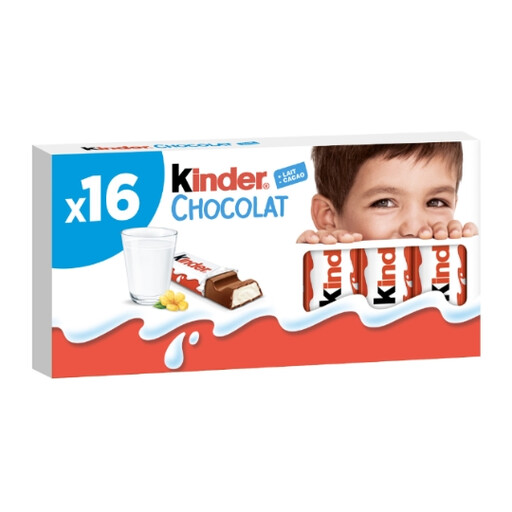 Image unavailable
The pack of 16 bars makes it easier to prepare an Advent calendar, but it won’t fill all 24 compartments on its own.
Check that each bar will fit in your compartments, and read the product label if milk or soya needs to be avoided.
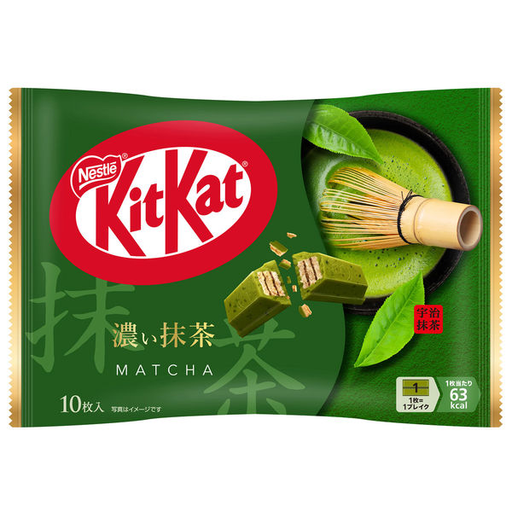 Image unavailable
This mini format could suit smaller compartments. The product page lists 10 pieces, so compare this with the number of compartments you need to fill.
Check the label for information about gluten, soya and milk before sharing.
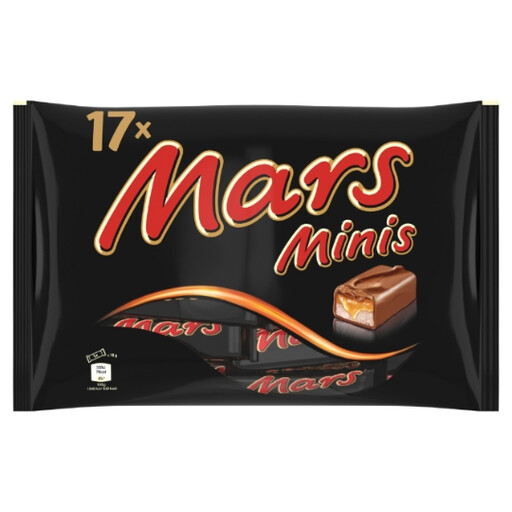 Image unavailable
The minis are described as individually wrapped, making them suitable for sharing or filling calendar compartments. The number of pieces is approximate, so confirm it before planning your calendar.
The product page lists milk, soya and egg, and possible traces of peanuts and tree nuts. Check the label again if you have an allergy.
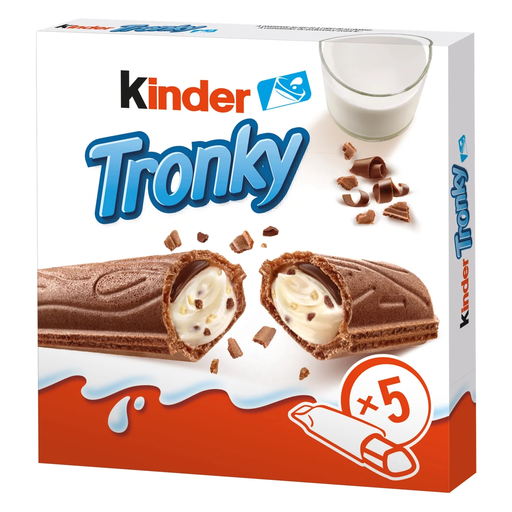 Image unavailable
This pack of five pieces could suit a few compartments or snacks to take out, but it won’t fill a 24-compartment calendar on its own.
Check the label if you need to avoid the wheat, milk, soya or hazelnuts listed for this product.
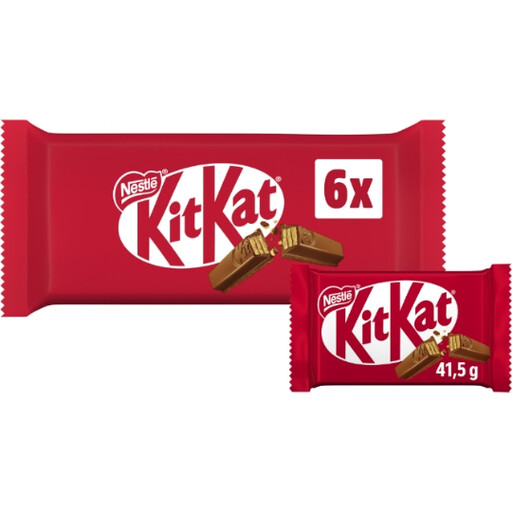 Image unavailable
These full-sized bars are suitable for lunchboxes or a few larger compartments; six units won’t cover a 24-day calendar on their own.
If you want to put each bar straight into a compartment, confirm that it’s individually wrapped. Also check the information about wheat and milk.
Yes, if it contains enough pieces to fill your compartments and they’re the right size. A pack of 16 bars or a pack of 6 won’t be enough on its own. If the pack only gives its weight in grams, check how many pieces it contains on the packaging.
Read the ingredients, highlighted allergens and any ‘may contain’ warnings for the exact product. For a mix, check every recipe: the allergens in one mini bar may not be the same as those in the others.
No. According to Santé publique France, displaying a Nutri-Score is voluntary in France. To compare two products, also check their nutritional information, particularly the sugar content per 100 g, as well as their ingredients.
No. The levy described by BOFiP-Impôts applies to non-alcoholic drinks containing added sugars, not chocolate bars. Sugar content is still useful nutritional information to check on the packaging.
Follow the date and storage instructions on the pack you choose. For the pack of 6 × 41,5 g KitKat bars described on Joybuy, the instructions say to store it in a dry place away from light, between 15 °C and 18 °C before opening. Check the specific instructions for other products.