Who should you plan to share chocolate with?

Organisers planning a post-race get-together

To welcome runners and their friends and family, you’ll mainly want a format that’s easy to share between several people. Check the number of pieces, if stated, then read the ingredients and allergen information before serving.

Runners planning their fuelling

If you’re thinking of taking chocolate with you during the marathon, distinguish this sociable treat from a measurable carbohydrate intake. World Athletics provides carbohydrate intake guidelines per hour for efforts lasting more than 2 h 30; the fact that an assortment contains sugar doesn’t establish that it’s suitable for your race plan.

Groups affected by food allergies

Before sharing chocolate with a group, check the exact product and any ‘may contain’ warnings. Assortments can include several recipes, so the allergens in one piece won’t necessarily be the same as those in the whole box.

Which criteria matter most at different times?

First decide whether the chocolate is for sharing after the finish or for eating during the race. Each use calls for different checks.

Criterion What to check Consumers concerned
Format for sharing Net weight and number of pieces or units, if stated. When welcoming several people after the finish, I want to be able to divide up the contents without relying on the pack weight alone. Around 25% of consumers would put this sharing need first.
Fuelling during the race Carbohydrates in the portion actually eaten and tolerance tested in training. If I plan to eat during the marathon, I need an intake I can quantify and tolerate while running. Around 31% of consumers would put this fuelling need first.
Nutritional composition Carbohydrates, sugars and fat per 100 g, followed by the size of the portion you’re considering. When choosing between two recipes for sharing, I want to compare their values on the same basis rather than judge them by the packaging alone. Around 25% of consumers would make nutritional comparison their priority.
Allergens Ingredients and any ‘may contain’ warnings for the exact product. If someone in the group has a known allergy, I need to check the ingredients before offering them a piece. Around 19% of consumers would put this check at the top of their list of concerns.

What should you watch out for?

  • Confusing chocolate to share with race fuelling

    A box that’s easy to serve after the finish doesn’t automatically provide a straightforward, trackable portion of carbohydrates during exercise. For efforts lasting more than 2 h 30, World Athletics refers to intakes of up to 90 g of carbohydrates per hour, depending on the strategy chosen. This guideline doesn’t mean that any particular assortment is suitable.

    If you’re thinking of eating it during the race, check the portion and its composition, then try it in training rather than adopting it on marathon day.

  • Judging a product by the presence of a Nutri-Score alone

    In France, Santé publique France describes the Nutri-Score as a voluntary label. Its absence doesn’t, on its own, tell you anything about the contents of a box of chocolates.

    Check the ingredients list and nutrition declaration per 100 g; use the Nutri-Score as additional information if it appears on the packaging.

  • Assuming the tax on drinks applies to a box of chocolates

    The levy described by the official French tax bulletin applies to non-alcoholic drinks, not boxes or bags of chocolates.

    Read the sugar content as nutritional information, without confusing it with a tax rule that applies to the product.

  • Choosing an assortment without checking the exact product

    Ingredients and allergens vary between products and between the recipes included in a box. A product listing doesn’t replace checking the packaging you receive when you’re preparing to share with a group.

    Check the allergens, any ‘may contain’ warnings and the availability of the product before the event.

Which brands and retailers should you look at?

Lindt

The 250 g Lindor sharing box featured by Auchan contains 20 pieces, making it easier to plan how to share them after the race.

  • The format and number of pieces are specified for this product.
  • Check its allergens and ingredients; this sharing format doesn’t make it a suitable fuelling portion for the race.

Carrefour

The retailer features, among other products, a 300 g bag of assorted Jacquot chocolates, with a listing that lets you check the ingredients.

  • The product listing includes ingredients, allergens and nutritional information.
  • Check availability before planning to use this bag at an event.

Auchan

Auchan’s listing for the 250 g Lindor box is an example of a sharing format that includes information about ingredients and nutritional values.

  • The number of pieces helps you plan how to share them between guests.
  • The presence of a nutrition table doesn’t show that this box is suitable for fuelling during a marathon.

E.Leclerc / Marque Repère

E.Leclerc’s chocolate and confectionery category includes a range of formats, including a 300 g bag of chocolate-coated peanut pieces.

  • The stated weight helps you identify a format to consider for several people.
  • Check the listing for the exact product to compare its ingredients, allergens and nutritional values.

Lidl

Lidl’s range includes, among other things, chocolate bars and Kinder products.

  • Bar formats may be worth considering if you want to hand out individual units.
  • Check the packaging of the product you choose: a bar isn’t necessarily a large assortment to share.

Joybuy picks for sharing after the race

These chocolates and confectionery offer a few different ways to share a treat after the finish: an assorted box, a pack of 16 individual units and a bag of chocolate-coated peanuts. Their inclusion here isn’t a recommendation for fuelling during the marathon.
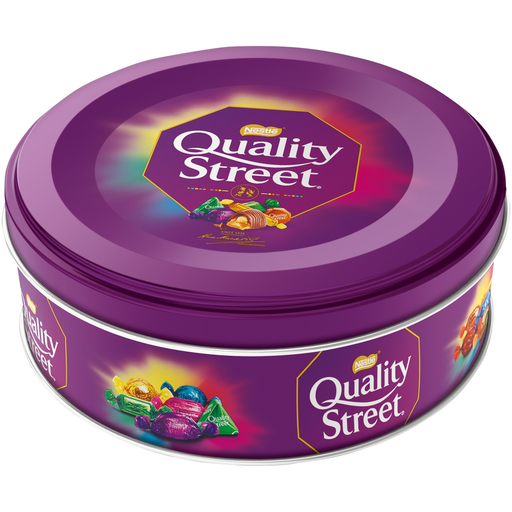
Quality Street box of chocolates and toffees, 400 g

Quality Street, box of chocolates and toffees, 400 g

Worth considering if you’d like an assortment to open after the race. The metal tin contains 400 g of chocolates and toffees. Check the ingredients and allergens for this product before offering it to the group.

View on Joybuy
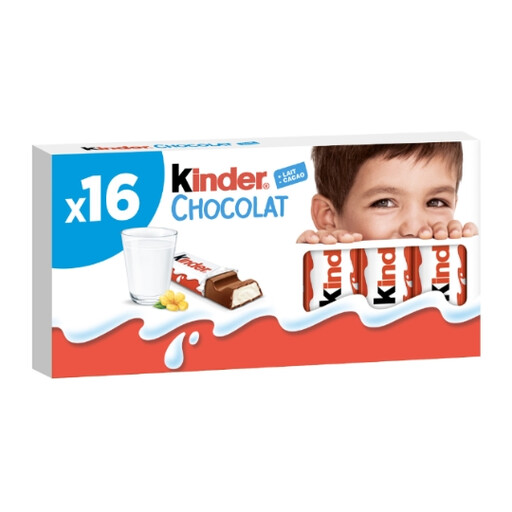
Pack of 16 Kinder Chocolate bars

Kinder Chocolate, pack of 16

Consider this if you’d rather count out individual units to hand out after the finish than serve an assortment of bite-sized pieces. The pack contains 16 chocolates. Check the packaging and allergens before sharing.

View on Joybuy
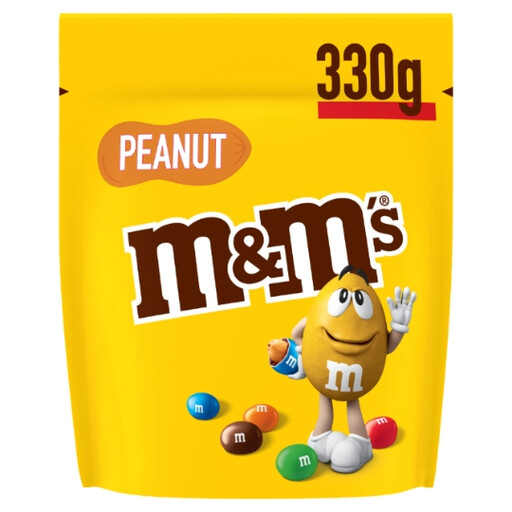
M&M'S PEANUT bag of milk chocolate-coated peanuts, 330 g

M&M'S PEANUT, milk chocolate-coated peanuts, 330 g

Worth considering for sharing from a bag after the race, as long as you take into account that the group may include someone with a peanut allergy. Joybuy lists this product as 330 g and 7 servings; check the allergen information and values per serving on the packaging before using it to calculate nutritional intake.

View on Joybuy

Frequently asked questions

Can a box of chocolates be used for fuelling during a marathon?

Not without checking the portion you’ll actually eat and trying it in training first. For efforts lasting more than 2 h 30, World Athletics gives guidelines of up to 90 g of carbohydrates per hour, depending on the strategy you follow. The weight of a box or its sugar content alone won’t tell you your hourly intake or whether you’ll tolerate the product.

Is the Nutri-Score compulsory on chocolates sold in France?

No. Santé publique France says that the Nutri-Score is voluntary. The DGCCRF states that a nutrition declaration is compulsory for most prepacked foods. To compare two products, look in particular at the values per 100 g and the ingredients list.

Which allergens should you check before sharing an assortment?

Read the ingredients and any ‘may contain’ warnings for the exact product before serving it. Depending on the recipes, the products featured may contain milk, soya, tree nuts or peanuts, among other allergens. Don’t assume the ingredients in one piece apply to the whole assortment.

How should you store chocolate before sharing it outdoors?

Follow the instructions on the packaging for the product you’ve chosen. Before planning where to store it and how to transport it, check the guidance on heat and keeping it dry in particular.

Does the French tax on sugary drinks apply to boxes of chocolates?

No, not under the levy on non-alcoholic drinks described in the official French tax bulletin. The sugar content of chocolate is still a nutritional value to check on the label, but it doesn’t make a box of chocolates a drink subject to this levy.