Parents preparing several lunchboxes
A pre-wrapped bar or mini bar saves you from portioning a full-size bar. To plan portions, check the number of items and the weight of each one.


For a secondary school pupil’s lunchbox, choose an individually wrapped bar or mini bar if you want a portion that’s ready to go. A full-size bar needs to be portioned and wrapped first. Then check the weight of each item, compare the nutritional values per 100 g and per portion if shown, and read the ingredients and allergens for the exact recipe. Nutri-Score can be a useful extra guide if it appears on the packaging, but displaying it is optional.
A pre-wrapped bar or mini bar saves you from portioning a full-size bar. To plan portions, check the number of items and the weight of each one.
Nutritional information lets you compare things like sugars and fat on a like-for-like basis, then check how the figures relate to the portion you’re actually packing.
The flavour and brand alone aren’t enough to identify allergens. Anses highlights how useful labelling is for people with sensitivities: check the ingredients and precautionary statements on the specific product you buy.
Start with the packaging and portion weight, then compare the recipes. If an allergen needs to be avoided, the label on the exact product is what matters.
| What matters | What to check | Who is it for? |
|---|---|---|
| Ready-to-pack portion | Whether each item is wrapped individually and the weight of each bar; for multipacks, the number of items. | If you’re preparing several lunchboxes, an individually wrapped item saves you from cutting up and wrapping a bar. Around 42% of consumers are said to rank this convenience as their top priority. |
| Nutritional values | Values per 100 g, then per bar if the stated portion matches the amount you’re packing. | When choosing between two recipes with different weights, I want to compare sugars and fat on a like-for-like basis without losing sight of my portion. This is said to be the priority for around 33% of consumers. |
| Ingredients and allergens | The ingredients list and precautionary statements for the exact recipe and format. | If someone in your household needs to avoid an ingredient, the product name alone isn’t enough to choose a bar. Checking ingredients and allergens is said to come first for around 25% of consumers. |
In France, the DGCCRF distinguishes between nutritional declarations, which are compulsory for most prepacked foods, and Nutri-Score, which is voluntary. The absence of this logo doesn’t tell you what a bar contains.
Compare nutritional information per 100 g and, when it appears on the label, per bar you’re packing. If Nutri-Score is shown, use it as an extra guide when comparing similar products.
The French Ministry of the Economy describes this levy as applying to sugary drinks; a chocolate bar or block isn’t a drink.
When choosing a bar, focus instead on the weight of each item, the ingredients, allergens and nutritional values.
Carrefour product listings for different bars show that weights, ingredients and allergen statements vary from one product to another. A hazelnut recipe isn’t suitable if hazelnuts need to be avoided.
Check the packaging for the flavour and format you’re buying, including any “may contain” statements that are relevant to your choice.
Lindt France features NUXOR and NOCCIO bars made with milk chocolate and hazelnuts.
Carrefour listings include 45 g Côte d’Or bars made with milk chocolate, or dark chocolate and hazelnuts.
The Carrefour listings consulted include a 42 g Lion bar and a multipack of bars of the same weight.
Carrefour lists Milka mini bars in multipacks in its chocolate bar range.
The retailer’s French range includes its own-brand bars as well as products from other brands.
This selection includes mini bars in multipacks and hazelnut chocolate bars to consider for a lunchbox. For bars where the packaging details aren’t specified, check that each item is individually wrapped if you want to put it straight into the lunchbox.
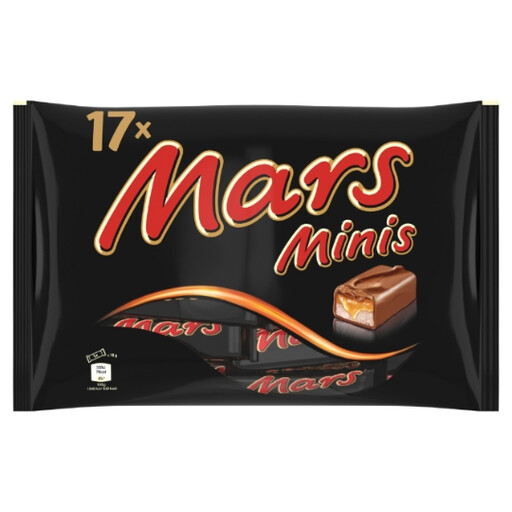 Image unavailable
A bag of mini bars to consider when preparing several lunchboxes. The stated weight is for the whole bag, so check the weight of each mini bar to work out the portion. Also check the recipe label if there are ingredients you need to avoid.
 Image unavailable
The pack of nine pieces could provide several lunchbox portions. Check the weight and nutritional values of the item you’re packing, along with the ingredients in this recipe.
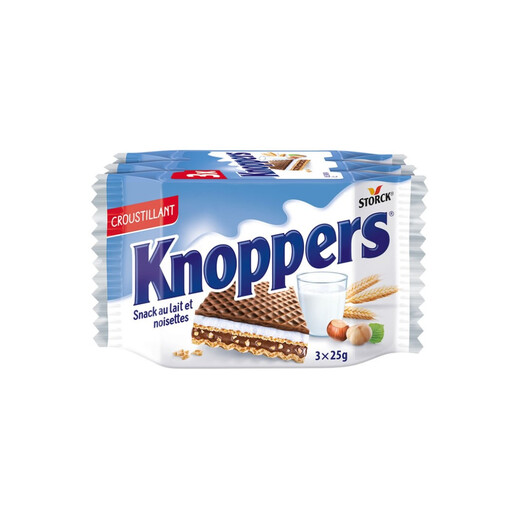 Image unavailable
The three 25 g items make it easy to identify the portion weight. Before packing them in a lunchbox, check how they’re wrapped and read the label for this hazelnut recipe if hazelnuts need to be avoided.
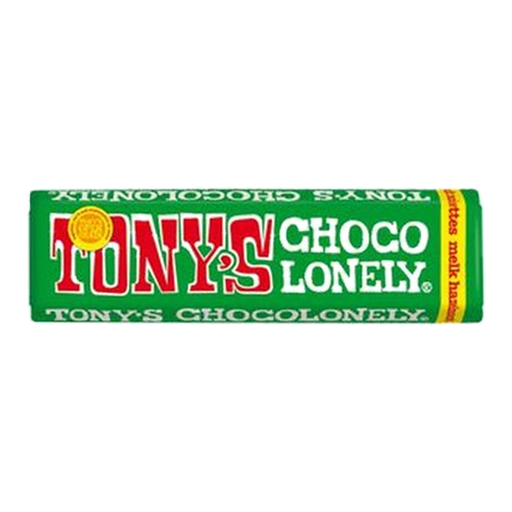 Image unavailable
This 47 g bar has a stated unit weight you can compare with other formats. Check how it’s wrapped for carrying, and read the label for the milk chocolate and hazelnut recipe if either ingredient needs to be avoided.
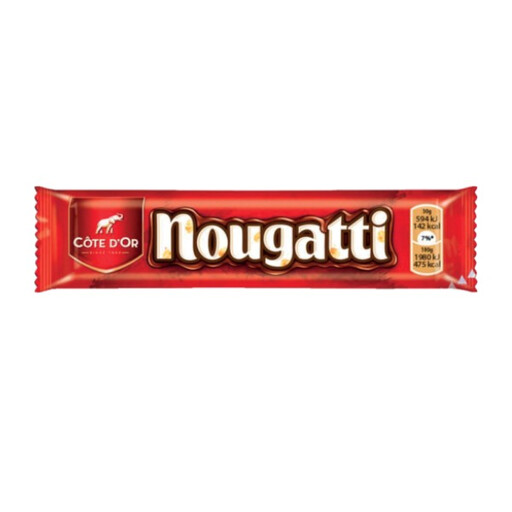 Image unavailable
Its 30 g weight makes it easy to work out the portion before preparing a lunchbox. Check that the bar is individually wrapped, and read the ingredients and allergen statements for this product.
No. The French Ministry of the Economy describes this levy as a tax on sugary drinks, and a chocolate bar or block doesn’t fall into that category. The sugar figures on the packaging are still useful when comparing recipes.
No. According to the DGCCRF, displaying it is voluntary in France. Nutritional declarations are compulsory for most prepacked foods, though, so check them even when a Nutri-Score is shown.
Compare their nutritional values per 100 g, then compare the figures per bar if they’re given and match the portion you’re packing. The weight of each item matters: a per-bar value doesn’t represent the same amount for two different formats.
A recipe containing hazelnuts isn’t suitable if they need to be avoided. Read the ingredients list and precautionary statements on the packaging of the product you buy; if you have a diagnosed allergy, follow your individual medical advice.