What should you check before buying?
For a walk, start with the portion you’ll actually take rather than the format intended as a gift or for sharing. The recipe, allergens and how much sun your bag will be exposed to may also affect your choice, even if you’re taking a small bar.
| What matters |
What to check |
Consumers concerned |
| Portion and portability |
The weight of the bar and how much you plan to take; how easy it is to break off or pack that portion. |
When I’m walking and stopping several times, I want to take a small amount without weighing down my bag. Around 36% of consumers would put this need for a portable portion first. |
| Ingredients |
Sugars and energy per 100 g in the nutrition information, followed by the ingredients list. |
Before packing my snack, I want to compare recipes and take account of how much I’ll eat. Ingredients would be the priority for around 29% of consumers. |
| Allergens |
Allergens highlighted in the ingredients list and any ‘may contain’ warnings on the packaging you choose. |
If I need to avoid certain allergens, the fact that a bar is dark chocolate isn’t enough to help me choose. Allergen suitability would come first for around 21% of consumers. |
| Heat |
Forecast sunshine and how much your bag will be exposed; whether you could take another snack instead. |
If my bag might be left in the sun, I don’t want to rely on chocolate that could become difficult to eat. How well it copes with heat would be the priority for around 14% of consumers. |
Chocolate bars available on Joybuy
These dark chocolate bars are suitable for taking as an occasional snack on a hike. They come in different sizes and recipes: choose the portion that works for you, then check the label and storage conditions.
 Image unavailable
Lindt EXCELLENCE 70% dark chocolate, 35 g mini bar
The 35 g size is ideal if you’d rather take a small bar than a larger one. Check the allergens on the packaging; this chocolate isn’t a practical choice if your bag will be left in the sun.
View on Joybuy
 Image unavailable
Lindt EXCELLENCE 85% dark chocolate, 100 g
Worth considering if you’d like to decide how much to break off a 100 g bar. The product name states that it contains 85% cocoa; check the ingredients and allergens on the packaging before preparing your portion.
View on Joybuy
 Image unavailable
Poulain 70% dark chocolate, 100 g
This 100 g bar lets you set aside a portion to take with you. To compare its recipe with other bars containing 70% cocoa, check the sugars, ingredients and allergens on the packaging.
View on Joybuy
 Image unavailable
Carré Suisse organic dark chocolate with lemon and green pepper, 100 g
This recipe combines dark chocolate with lemon and green pepper for anyone looking for a flavoured bar. It comes in a 100 g size; check the ingredients and allergens for this recipe before breaking off a portion.
View on Joybuy
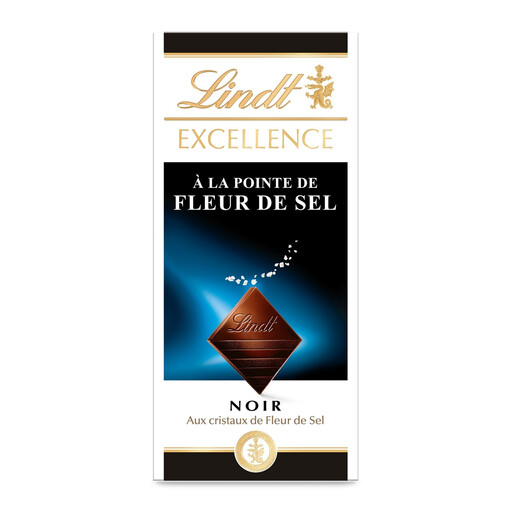 Image unavailable
Lindt EXCELLENCE dark chocolate with fleur de sel, 100 g
This 100 g bar is for anyone looking for dark chocolate with a touch of salt. To compare it with other products, check the nutritional information and allergens on the packaging, then decide how much to take with you.
View on Joybuy
Frequently asked questions
Is a box of chocolates as practical as a bar for a walk?
For a snack to take with you, first choose an amount and format that will fit in your bag. A box may be suitable as a gift or for sharing, but you’ll still need to check the weight you’re carrying and the allergens in each recipe.
Should you avoid chocolate in hot weather?
If your bag will be left in the sun, take another snack instead: the French Hiking Federation advises against chocolate when the sun is strong. Your choice will therefore also depend on the conditions along your route.
What should you check on a chocolate bar if you have an allergy?
Read the ingredients, the highlighted allergens and any ‘may contain’ warnings on the packaging of the product you’ve chosen. You can’t assume a dark chocolate bar is suitable for someone with an allergy just from its name.
Is the Nutri-Score compulsory on chocolate bars sold in France?
No. According to Public Health France, displaying the Nutri-Score is voluntary; the DGCCRF distinguishes this label from the nutrition declaration required on prepacked foods. Whether or not the Nutri-Score appears, compare the values per 100 g and check the product label.
Does the ‘soda tax’ apply to a chocolate bar?
No: the provision in the French General Tax Code referred to for this tax applies to non-alcoholic drinks, not chocolate bars. To choose a bar, look instead at its portion size, ingredients and nutrition information.


