Parents mindful of allergens
If an allergy, intolerance or school rules mean you need to take precautions, check the ingredients list and any ‘may contain’ warnings on the specific jar before considering how familiar the brand is.


Before packing a lunchbox, check the allergens in the exact recipe and your school’s rules, then compare the sugar content per 100 g and the amount you plan to serve. Choosing an organic recipe or one made without palm oil reflects a preference about ingredients, but doesn’t tell you how much sugar it contains. You should also choose a pack size that suits how your household will actually use it.
If an allergy, intolerance or school rules mean you need to take precautions, check the ingredients list and any ‘may contain’ warnings on the specific jar before considering how familiar the brand is.
If your child occasionally has a snack with chocolate and hazelnut spread, the ‘sugars’ line per 100 g makes it easier to compare recipes. The amount you spread on the bread matters too.
A family-size jar may suit regular use by several people. If you’re only making a few lunchboxes, the net weight and storage instructions after opening become more important.
Start with anything that could rule out a recipe for the lunchbox, then compare the nutritional information and jar size.
| Criterion | What to check | Who it matters to |
|---|---|---|
| Allergens and school rules | Check the ingredients, highlighted allergens and any ‘may contain’ warnings on the pack you’re buying, and make sure it complies with your school’s rules. | If an ingredient or trace could mean the sandwich can’t be taken to school, I need to rule out the recipe before buying it. Around 50% of consumers would prioritise this compatibility. |
| Sugars and portion size | Compare the ‘sugars’ line per 100 g in the nutritional information, then decide how much to spread on the bread. | For an occasional snack, I want to compare recipes without losing sight of the portion served. Keeping an eye on sugar and portion size would be a priority for around 30% of consumers. |
| Pack size and household use | Check the net weight, how often you expect to use it and the storage instructions after opening. | If the jar is also for family breakfasts and snacks, I want a size we’ll actually use. Around 20% of consumers would put pack size first. |
The DGCCRF explains that displaying the Nutri-Score is optional, unlike the nutritional declaration required for the relevant prepacked foods. So the absence of the logo doesn’t tell you whether a recipe is a good choice.
Compare the nutritional values per 100 g, particularly sugars, saturated fatty acids and salt. Use the Nutri-Score as extra information when it appears on the jar.
Depending on the recipe, the label may mention milk, soya or traces of other nuts. For example, a 220 g Nutella product listing published by Joybuy mentions hazelnuts, milk and soya. This information doesn’t replace checking a different pack size.
Check the exact jar you plan to buy and your school’s rules. Don’t assume it’s gluten-free either unless the product carries suitable information.
The pack size should suit how often your household will use it, not just the number of sandwiches planned for school.
Before choosing a large jar, check its net weight and the storage instructions after opening.
A jar that’s used too infrequently may leave you with leftovers after the planned lunchboxes are made.
These claims describe the recipe or how it’s made, not its sugar content. For example, the Auchan Bio listing describes an organic spread made without palm oil, but those claims alone don’t tell you how much sugar it contains.
Keep these features in mind if they match your preferences, then check the ‘sugars’ line per 100 g separately.
These examples show a range of recipes and pack sizes. Always check the information on the specific jar before making a lunchbox.
Chocolate and hazelnut spread available in several pack sizes.
Spread available from E.Leclerc, including in a 1 kg jar.
A 400 g cocoa and hazelnut recipe that Auchan describes as organic and made without palm oil.
Chocolate and hazelnut spread available from Carrefour in a 400 g jar.
Hazelnut spread available from Aldi in a 750 g jar.
These jars of spread let you compare recipes and sizes for making sandwiches to go in a lunchbox. A jar isn’t an individual portion, so check the recipe and your school’s rules before preparing a snack.
 Image unavailable
This jar may suit anyone looking to make sandwiches using a smaller size than a large family jar. Check the allergens on the label before using it for school.
 Image unavailable
The 200 g jar may suit occasional use when making sandwiches. Check its ingredients list and storage instructions before buying.
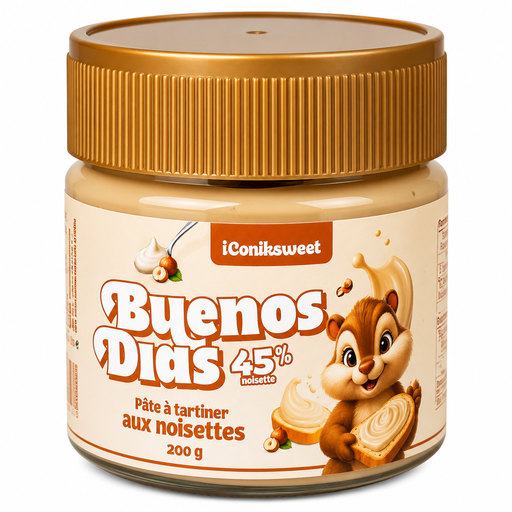 Image unavailable
This 200 g size may be enough to make a few sandwiches, but it doesn’t contain individual portions. Read the product’s allergen information before choosing it for school.
 Image unavailable
This size may suit you if you also use spread at home. For a lunchbox, prepare the amount you need and check the allergens in the recipe.
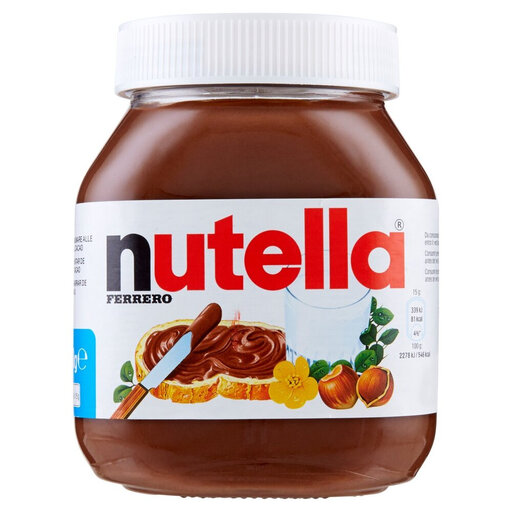 Image unavailable
The 630 g jar is better suited to sharing at home than taking out as a portion. Check the allergens for this size and prepare the amount for the lunchbox separately.
No. The DGCCRF says that displaying the Nutri-Score is optional, while a nutritional declaration is compulsory for the relevant prepacked foods. Even without a logo, you can compare the values shown per 100 g.
No. You can’t tell from the product category name alone. If you need to avoid gluten, check the label on the specific jar and your school’s rules. Don’t assume the information applies to a different recipe or pack size.
Not necessarily. These claims relate to other features of the recipe. To compare two spreads, check their sugar content per 100 g, then take into account the portion you’re preparing.
Follow the instructions for the product you’ve bought, as they can vary. For example, the Auchan listing for Jardin Bio 300 g advises against refrigerating the product and recommends consuming it within a month of opening. Don’t apply this advice to other jars without checking their labels.