What should you consider when choosing?
To choose between a tasty snack and fuelling for a run, first decide when you plan to eat, then check what the portion actually provides. A jar of spread needs to be prepared and carried differently from a single-serve snack.
Single-serve filled wafer
Worth considering : for a small, individually wrapped chocolate and hazelnut snack, with no jar or knife needed.
Bear in mind : one Nutella B-ready wafer provides 13.4 g of carbohydrates, according to Nutella France. This portion won’t replace everything you plan to consume during a marathon.
Spread with breadsticks
Worth considering : if you prefer a single portion combining spread and breadsticks, ready to eat without making a sandwich.
Bear in mind : Nutella France states that one 52 g Nutella & GO! portion contains 32 g of carbohydrates and 13.1 g of fat. Try this format in training before considering eating it while running.
Spread in a jar
Worth considering : when you can prepare and portion it before or after exercise.
Bear in mind : carrying the jar, something to spread it on and a prepared portion takes more planning than an individually wrapped snack.
Planned race fuelling
Best suited to this need : if your main concern is your carbohydrate intake throughout the marathon, rather than a single snack.
Bear in mind : count all your portions and drinks, then practise consuming them in training. Choosing a particular food doesn’t guarantee that it will suit you during the race.
| What to consider |
What to check before buying |
Who is this relevant to? |
| Carbohydrates during exercise |
Check the carbohydrates per item and count everything you plan to consume per hour, including drinks. World Athletics recommends 30 to 60 g of carbohydrates per hour for exercise lasting 1 to 2.5 hours, and up to 90 g per hour for efforts lasting more than 2.5 hours. |
If I’m running for a long time, I want to know how each portion fits into my fuelling throughout the effort, rather than relying on a single biscuit. Around 50% of consumers rank carbohydrate intake as their top concern. |
| Format and portability |
Check the weight of each item, its packaging and whether you need to prepare it before eating. |
For a snack while I’m out and about, I prefer a portion I can open without carrying a jar. Around 30% of consumers prioritise ease of transport. |
| Recipe and labelling |
Read the ingredients and allergen information, then compare carbohydrates, sugars and fat per 100 g and per portion. |
When I choose a chocolate and hazelnut snack, I first check whether the recipe suits me rather than judging it by its appearance. For around 20% of consumers, ingredients and labelling matter more than other criteria. |
Brands to know when comparing formats
These brands showcase different types of chocolate and hazelnut products. A brand that sells spread in a jar won’t necessarily offer a comparable single-serve snack, such as a filled wafer.
Nutella
The range includes spread in a jar, as well as B-ready, an individually wrapped filled wafer, and Nutella & GO!, which combines spread with breadsticks.
- Nutella France states that a 22 g B-ready wafer contains 13.4 g of carbohydrates and a 52 g Nutella & GO! portion contains 32 g. Compare like-for-like portions, not packs of different sizes.
- These formats contain several allergens, and their nutritional values per portion don’t show that they’re enough to fuel a marathon.
Jardin Bio étic
This brand’s chocolate and hazelnut spread comes in a jar, so you’ll need to portion and spread it before taking it with you.
- The Carrefour product listing for this recipe states that it contains 20% hazelnuts, giving you a point of comparison with other recipes.
- This doesn’t make the jar a ready-to-eat portion for a run. The recipe lists milk, among other ingredients, and may contain traces of soya and other nuts.
Carrefour Classic'
The hazelnut and cocoa spreads in this range are available in 400 g, 750 g and 1 kg jars, among other sizes, in Carrefour’s spread aisle.
- The different jar sizes let you choose how much to keep at home and prepare your own portions.
- If you want to take a portion with you, you’ll need something to spread it on and suitable packaging. It isn’t ready to eat like an individually wrapped biscuit.
Single-serve snacks available on Joybuy
These products are easy-to-carry chocolate and hazelnut snacks: they’re filled biscuits, not spreads in jars or a fuelling plan for the whole race. Before planning to eat one during exercise, compare the portion you’ll actually eat with everything else you plan to consume.
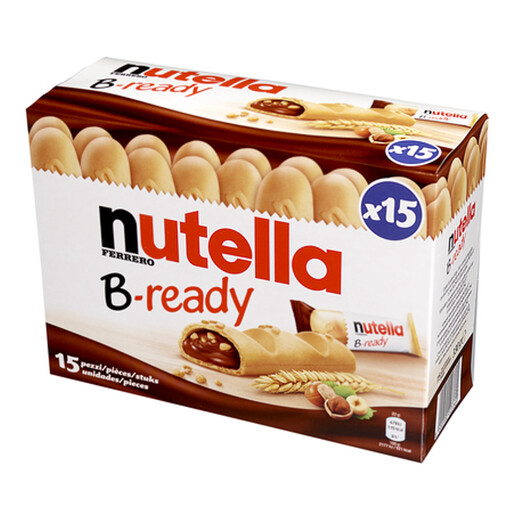 Image unavailable
Nutella B-ready, hazelnut and cocoa filled biscuits, 330 g
A filled wafer to consider for a snack without a jar or knife, or as part of a fuelling plan you’ve already tried in training.
Nutella France states that one 22 g wafer contains 13.4 g of carbohydrates. Check the total weight and number of wafers on the pack you choose, as well as the allergen information on the label: the Joybuy listing mentions hazelnuts, milk, wheat and soya, among other ingredients.
View on Joybuy
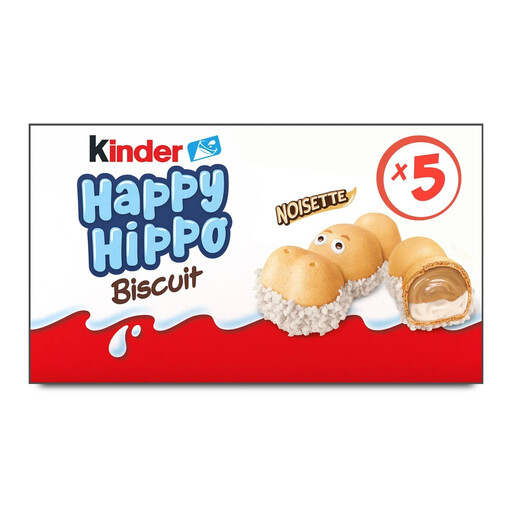 Image unavailable
Kinder Happy Hippo Hazelnut T5, 103 g
Filled biscuits to consider for a chocolate and hazelnut snack in separate portions, rather than as a spread bar or as sports fuelling on their own.
The pack is listed as a 103 g format. To include it in your fuelling during a long run, check the carbohydrates per portion on the packaging and read the allergen information.
View on Joybuy
Frequently asked questions
What figure should I check when including a snack in my marathon fuelling plan?
Check the carbohydrates in the portion you actually plan to eat, then add up everything you plan to consume throughout the effort. World Athletics recommends 30 to 60 g of carbohydrates per hour for efforts lasting 1 to 2.5 hours, and up to 90 g per hour for efforts lasting more than 2.5 hours. Practise any fuelling plan for your race in training.
Does Nutri-Score have to appear on these snacks in France?
No. Nutri-Score is a voluntary scheme in France, according to Santé publique France and the DGCCRF. For prepacked food, check the nutrition declaration and ingredients. If the logo isn’t there, you should still consult the information on the packaging.
Does the French ‘soda tax’ apply to chocolate spread?
No. A solid spread isn’t covered by this levy simply because it contains sugar. The Bulletin officiel des finances publiques-Impôts describes a levy on the first supply in France of non-alcoholic drinks and certain juices containing added sugars.
Which allergens should I check in single-serve Nutella products?
For B-ready and Nutella & GO!, check for hazelnuts, milk, wheat and soya, among other allergens. The Nutella & GO! product information also mentions eggs. Before choosing a product if you have an allergy, read the label on the item you’re buying, including any warnings about traces.


