What should you look for before buying?
First decide whether the chocolate will be melted, served in squares or given as a gift. Then compare the recipes and formats that suit that use.
Baking chocolate bar
Choose this if: you’re making a filling or topping and want a bar designed for desserts.
Bear in mind: the baking label doesn’t mean you can skip checking the flavour, ingredients and allergens for that particular variety.
Tasting chocolate bar
Choose this if: your guests will enjoy squares of chocolate with their crêpes.
Bear in mind: fillings or inclusions may not be suitable for the topping you have in mind.
Gift box or selection box
Choose this if: you want to give or present a selection of chocolates that are ready to enjoy.
Bear in mind: each variety may have a different recipe, so check the information for the selection.
| What to consider | What to check | Who is this for? |
|---|
| Use as a topping |
Whether it’s designed for baking; whether it contains a filling or inclusions. |
I want to melt the chocolate to top the crêpes, rather than serve bites on the side. Around 36% of consumers put using chocolate as a topping first. |
| Sweetness or intensity |
The type of chocolate and the stated cocoa percentage, without assuming that this alone determines how it will perform in cooking. |
If tastes differ around the table, I want a flavour profile my guests will enjoy. Taste is the top priority for around 29% of consumers. |
| Ingredients |
Ingredients, highlighted allergens and the ‘of which sugars’ figure per 100 g. |
If an ingredient needs to be avoided, I need to check the exact recipe before serving it. This is the main concern for around 21% of consumers. |
| Quantity |
The net weight of each bar or box, and how many you’ll need for your intended use. |
If I’m topping crêpes for several guests, I want to choose an appropriate quantity rather than relying on the number of bars alone. Around 14% of consumers prioritise format and quantity. |
Chocolate for different occasions
These Joybuy options suit three different ways of serving chocolate during the evening: putting out a selection, making a dessert with a white baking chocolate bar, or offering squares to enjoy.
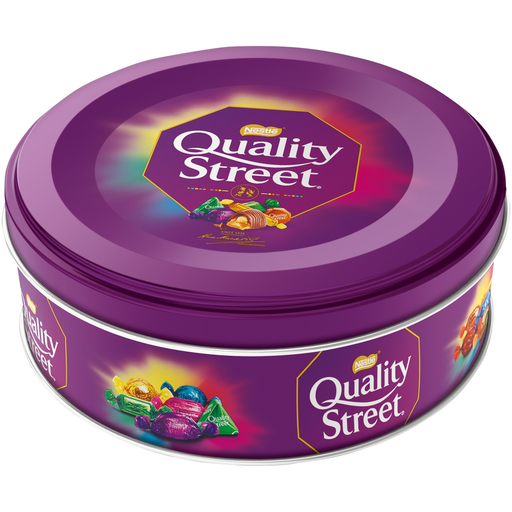 Image unavailable
Quality Street, assorted chocolates and sweets in a box, 400 g
For putting out a selection to share at the table or giving as a gift, rather than making a topping. The tin contains 10 varieties; the ingredients listed include milk and hazelnuts, and it may contain other nuts. Check the information for each variety if its ingredients affect your choice.
View on Joybuy
 Image unavailable
NESTLÉ DESSERT, white baking chocolate, 170 g
Worth considering for a homemade white chocolate topping: this 170 g bar is designed for baking. Its description mentions milk and soya, and possible traces of egg, gluten and nuts. The nutritional declaration lists 55.4 g of sugars per 100 g; check the packaging before serving it to anyone who needs to avoid these ingredients.
View on Joybuy
 Image unavailable
Lindt Excellence, dark chocolate, 85% cocoa, 100 g
For serving in squares if you want a dark chocolate bar with a pronounced cocoa flavour. This tasting bar weighs 100 g; the nutritional declaration lists 15 g of sugars per 100 g. If you’re planning to melt it, check that this bar is suitable for the recipe you have in mind.
View on Joybuy
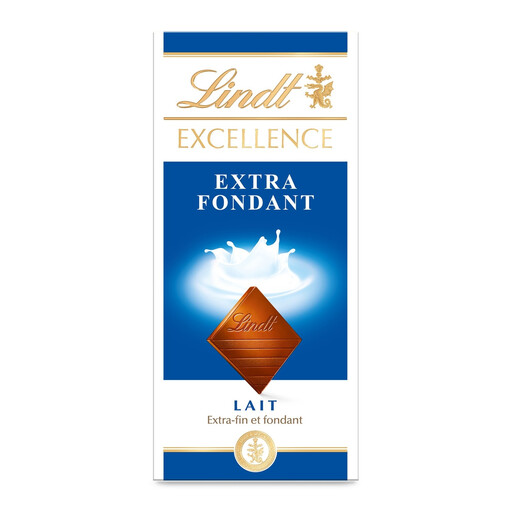 Image unavailable
Lindt Excellence Extra Creamy, milk chocolate, 100 g
For offering squares of milk chocolate at the table rather than a bar designed for baking. The description mentions notes of vanilla and honey. The product information lists milk, lactose, barley and soya, as well as 50 g of sugars per 100 g; check the packaging if these ingredients matter to your guests.
View on Joybuy
Frequently asked questions
Does the French soda tax apply to chocolate bars?
No. The French Ministry of the Economy describes the so-called ‘soda tax’ as applying to sugary drinks. To compare chocolate bars by sugar content, look instead at the ‘of which sugars’ figure in the nutritional declaration per 100 g.
Is the Nutri-Score compulsory on chocolate bars in France?
No. Public Health France and the DGCCRF state that displaying it is voluntary. If the logo isn’t there, you’ll still need to check the bar’s ingredients and nutritional information.
What should you check if a guest needs to avoid an allergen?
Read the label for the exact product, including the ingredients list and any highlighted allergens. Depending on the recipe, a chocolate may contain milk, soya, nuts or wheat; the product name alone isn’t enough to determine its ingredients.
How do you choose how much chocolate to buy for crêpes?
First decide whether the chocolate will be served as a few squares or used as a topping for your guests, then compare the net weights. A selection box and a baking chocolate bar are for different purposes, even if both list their weight in grams.


