To serve a few squares with coffee, choose a bar with a recipe that suits everyone there. If the chocolate is also a gift, a box or selection box lets you prioritise presentation and variety, but you’ll need to check the ingredients and allergens for every recipe in the selection. In either case, compare the information for the exact product rather than relying on the Nutri-Score alone, as its use is voluntary in France according to the Ministry of Agriculture.
Who are these formats for?
Your choice depends first on what you want the chocolate to bring to your coffee break: portions to serve, a selection to give as a gift, or ingredients to check for your guests.
Anyone hosting a coffee break
A chocolate bar can be broken into squares when everyone is happy with the same recipe. If you’d like to offer a choice of chocolates, check exactly what’s in a box or selection box instead: Lindt France lists these separately in its range.
Anyone bringing a foodie gift
If presentation matters as much as taste, a box, selection box or gift box is a better fit than a bar on its own. However, do check which varieties are actually included in the product you choose.
Anyone keeping an eye on ingredients
If a guest needs to avoid an allergen, the label on the exact product matters more than the recipe name. Your Europe, the European Commission’s information service, reminds consumers that allergens present must be highlighted in the ingredients list of prepacked foods.
What should you look for when choosing?
First decide whether you’ll serve one recipe or a selection. Then check the label on the format you choose, especially if several people will be eating it.
Chocolate bar
Choose this if: you’d like to serve squares of a particular recipe with coffee.
Bear in mind: a single bar offers less variety than a selection, and its presentation may not suit your gift-giving needs.
Box or selection box
Choose this if: you’re bringing a gift or would like to introduce someone to several recipes.
Bear in mind: different chocolates in the same selection may contain different ingredients and allergens.
| What to consider |
What to check |
Who is this for? |
| Format and sharing |
Bar, box or selection box; net weight and number of pieces, if stated. |
When I put chocolate out to share with coffee, I want a format that suits the occasion or makes a good gift. Around 25 % of consumers prioritise sharing or presentation. |
| Recipe |
Description, highlighted ingredients and cocoa content, where stated. |
If my guests prefer different recipes, I want to know whether I’ll be offering dark, milk or praline chocolate. Around 25 % of consumers put the choice of recipe ahead of other considerations. |
| Allergens |
Highlighted allergenic ingredients and any precautionary statements about traces on the exact product’s label. |
If a guest needs to avoid an ingredient, I can’t work out what’s in the chocolate from its name alone. Checking for allergens is the main concern for around 31 % of consumers. |
| Nutritional information |
Information per 100 g, particularly sugars and fat; Nutri-Score only if displayed. |
To compare two recipes or formats, I want to read their nutritional values on the same basis. Around 19 % of consumers prioritise this comparison. |
The European Commission states that nutrition labelling is required for the vast majority of prepacked foods. It lets you compare values per 100 g; if values per portion are also shown on the packaging, the portion size may not be the same from one product to another.
What should you watch out for?
-
Assuming that no Nutri-Score means there’s no nutritional information
According to the Ministry of Agriculture, displaying the Nutri-Score is voluntary. The European Commission, meanwhile, states that nutrition labelling is required for the vast majority of prepacked foods.
Read the nutritional values per 100 g and the ingredients list for the product you’re interested in. If it has a Nutri-Score, treat it as extra information, not a substitute for the label.
-
Assuming dark chocolate is allergen-free
The type of chocolate alone doesn’t tell you what it contains. Product listings from Lindt France and Carrefour mention allergens or possible traces, depending on the recipe.
Before serving chocolate to someone with an allergy, check the allergens and any precautionary statements about traces on the exact product’s packaging. For a selection, take the different recipes into account.
-
Treating the “soda tax” as something that applies to chocolate bars
The contribution described by the Ministry of the Economy applies to sugary drinks, not chocolate bars. So it won’t help you choose between two bars for your coffee break.
When choosing between chocolates, focus on the format, recipe and information on the labels.
Brands to consider by recipe
A brand may offer a range of formats and recipes. The examples below relate to specific products or ranges, so always check the bar or box you’re thinking of buying.
Lindt
Lindt France lists chocolate bars separately from boxes, selection boxes and gift boxes in its range. This makes it easier to choose a recipe to serve and a presentation to give as a gift.
- The range includes several formats and recipes.
- Check the cocoa content and allergens for each product; a dark chocolate bar isn’t representative of the whole range.
Milka
Carrefour lists a Milka milk chocolate bar with whole hazelnuts, among other products.
- This product is an option if you’re specifically looking for milk chocolate with hazelnuts.
- Its product listing notes allergens and possible traces of other nuts and wheat; check the label on the bar you choose.
Côte d’Or
Among the products listed by Carrefour is a large Côte d’Or Double Milk Praline bar.
- The product name identifies it as a praline recipe rather than plain milk chocolate.
- This product contains nuts, milk and soya, among other ingredients; don’t choose it based on the brand name alone.
Carrefour
Carrefour lists an own-brand organic dark chocolate bar with 74 % cocoa.
- The product listing provides details of its ingredients and nutritional information.
- It notes possible traces of nuts, cereals containing gluten and milk; being organic doesn’t remove the need to check for allergens.
E.Leclerc / Marque Repère
E.Leclerc lists Marque Repère chocolate bars, including Tablette d’Or and Equador, in a range of recipes.
- The products listed include milk and dark chocolate bars.
- For recipes containing nuts, check the allergens on each individual product.
Chocolate bars and selections available on Joybuy
For coffee breaks, this selection includes bars to serve in squares and a selection box to share or give as a gift. The Quality Street box also contains sweets, so it isn’t made up of chocolate alone.
 Image unavailable
Lindt Excellence dark chocolate, 85 % cocoa, 100 g
Consider this if you’d like to serve squares of a single dark chocolate recipe with coffee. The bar is marked 85 % cocoa and weighs 100 g; if you have an allergy, check the information on the exact product’s packaging too.
View on Joybuy
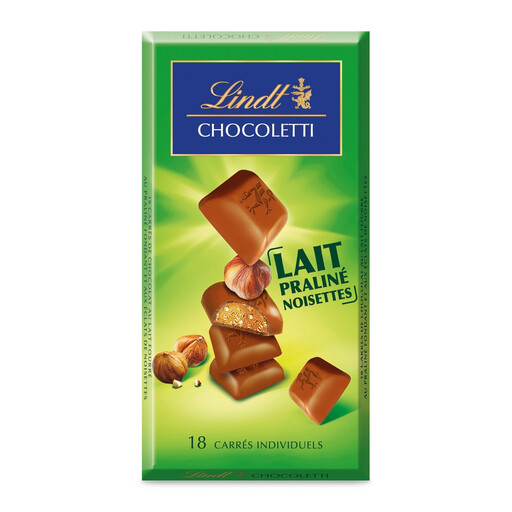 Image unavailable
Lindt Chocoletti milk chocolate praline, 100 g
A praline recipe to share if you’d like an alternative to plain dark chocolate. According to the product information, this 100 g bar contains ingredients to check, particularly if you have an allergy to nuts, milk or soya; read the label before serving.
View on Joybuy
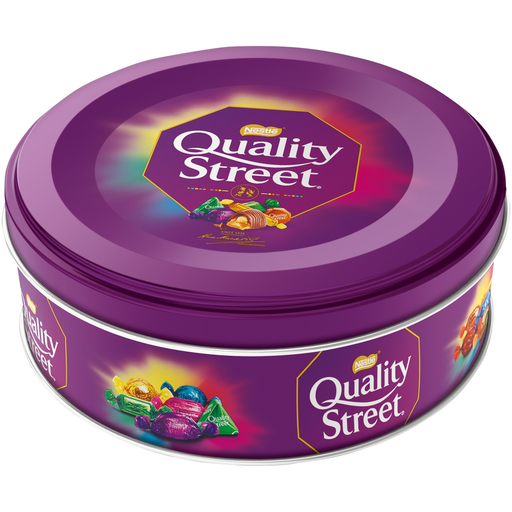 Image unavailable
Quality Street assorted chocolates and sweets in a tin, 400 g
Consider this if you’d like to bring a box to share and offer a choice of varieties. The 400 g selection also includes sweets, so check the contents and allergens for the relevant pieces before choosing it for your guests.
View on Joybuy
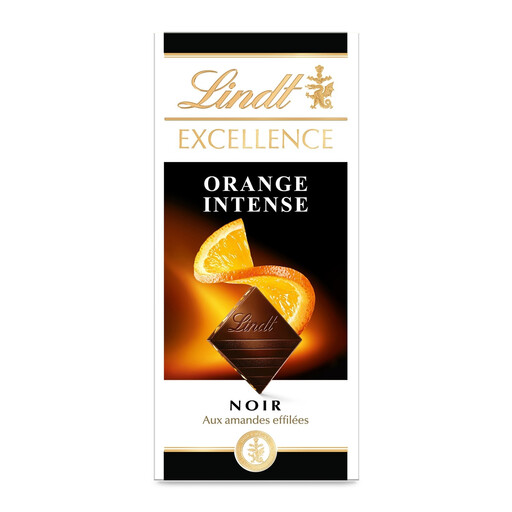 Image unavailable
Lindt Excellence dark chocolate with orange, 100 g
A bar combining dark chocolate and orange to serve with coffee. This 100 g bar offers something different from plain dark chocolate; the product information also lists almonds, milk and soya, which you should check on the packaging if you have an allergy.
View on Joybuy
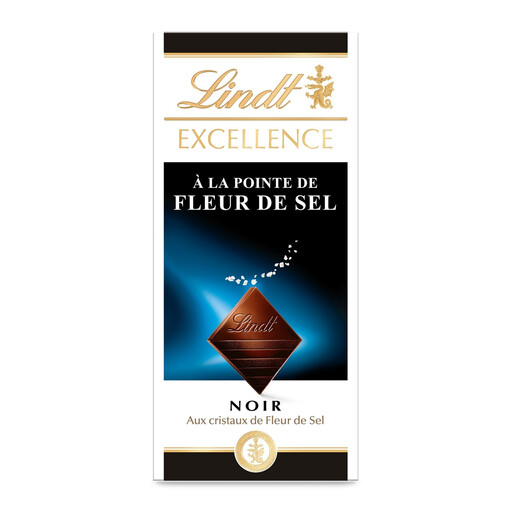 Image unavailable
Lindt Excellence dark chocolate with fleur de sel, 100 g
If you prefer dark chocolate with a hint of fleur de sel, this 100 g bar offers that variation without changing the format. Check the ingredients for this product: the information provided lists milk and soya.
View on Joybuy
Frequently asked questions
Is Nutri-Score compulsory on a chocolate bar?
No. In France, the Ministry of Agriculture describes its use as voluntary. The European Commission, however, states that nutrition labelling is required for the vast majority of prepacked foods. On the product you choose, check the sugars and fat per 100 g in particular.
What should I check before serving chocolate to a guest with an allergy?
Read the ingredients list and any precautionary statements about traces on the exact product’s packaging; if it’s a box, check each recipe. Your Europe, the European Commission’s information service, states that allergens present in prepacked food must be highlighted in the ingredients list.
Does the “soda tax” apply to chocolate bars?
No, not under the contribution mentioned here: the Ministry of the Economy describes it as a levy on sugary drinks. It isn’t a tax criterion that applies specifically to chocolate bars.
How should I store chocolate for a coffee break?
Follow the storage instructions on the packaging of the bar or selection you’ve bought. They’re more relevant to your product than instructions for the delivery service of another brand or product.


