For coffee on the go
A bar is a convenient, ready-to-go chocolate for a quick break. In its 2025 profile of chocolate consumers, Kantar Media France identifies fans of bars and confectionery who are looking for an instant treat.


For a quick coffee break, choose a bar if you want an easy-to-carry portion; squares or an assortment are better for sharing and sampling. If you’re giving chocolates as a gift, check the number of pieces, the flavours and the presentation, then check the allergens in the exact assortment. To compare nutritional content, look at the values per 100 g and the portion you plan to serve. If the packaging displays a Nutri-Score, don’t rely on it alone.
A bar is a convenient, ready-to-go chocolate for a quick break. In its 2025 profile of chocolate consumers, Kantar Media France identifies fans of bars and confectionery who are looking for an instant treat.
Squares or an assortment let you offer several pieces and, depending on the product, a choice of flavours. Before choosing a box, think about how many people you want to serve and what it contains.
A ballotin or gift box puts the focus on presentation and the number of pieces, rather than on how easy it is to carry an individual portion. Check the ingredients in each variety carefully, especially if the recipient has a known allergy.
| What matters | What to check | Who is it for? |
|---|---|---|
| A solo break | The bar format and stated portion size. | If you want a quick treat away from home, an easy-to-carry chocolate may be your top priority. Around 25% of consumers put this need for an individual break first. |
| Sharing with others | The number of squares or pieces and the variety of flavours. | When you’re serving coffee to a group, you may want to share out the chocolates without giving everyone a whole bar. Sharing is the top priority for around 25% of consumers. |
| Nutritional content | Sugars and saturated fatty acids per 100 g; values per portion, if provided. | Before choosing between a bar and squares, you may want to compare their nutritional information on a like-for-like basis. Around 25% of consumers prioritise this comparison. |
| Gifts and flavours | Presentation, the list of varieties and the allergens in the exact gift box. | If you’re giving chocolates as a gift, you’ll want to choose a box that suits the occasion and check its ingredients for the recipient. For around 25% of consumers, choosing a gift comes before other considerations. |
The French Ministry of the Economy says displaying it is voluntary in France. So its absence doesn’t, by itself, tell you what the product contains. The DGCCRF says that prepacked foods generally have a nutrition declaration.
Compare the values per 100 g, then consider how much you plan to eat with your coffee. Use the Nutri-Score as an additional guide when it’s displayed.
Article 1613 ter of the French General Tax Code, published by Légifrance, applies to a levy on drinks and liquid preparations for drinks—not chocolate bars or boxes of solid chocolates.
To compare the sugar content of these products, check their nutrition declarations rather than this levy.
A gift box may contain several varieties. The DGCCRF reminds shoppers that allergenic ingredients must be highlighted on the labels of prepacked foods. The words ‘dark chocolate’ are no substitute for checking the ingredients list.
If you know the recipient has an allergy, check the information for each variety and look for any ‘may contain’ warnings on the packaging of the box you choose.
The range includes chocolate-covered wafer bars in several formats, according to KitKat France.
Mars lists Snickers and Twix among its confectionery brands, but their shared parent company doesn’t tell you what a specific bar contains.
The retailer stocks squares and gift boxes from third-party chocolate brands, which can be useful for comparing formats made for sharing.
The E.Leclerc catalogue features chocolates under its own-label brands, including dark chocolate squares.
This selection includes an assortment to share, chocolate in several portion-sized formats and a chocolate matcha biscuit to enjoy with coffee. Start by thinking about how you’ll use it: as a gift, to serve to a group or to take a portion on the go.
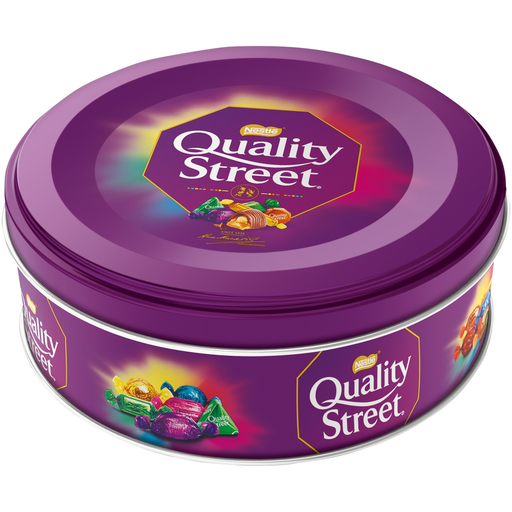 Image unavailable
This assorted box is ideal for sharing over coffee or giving as a gift. It contains 400 g of chocolates and toffees. If allergies are a concern, check the varieties on the exact product packaging.
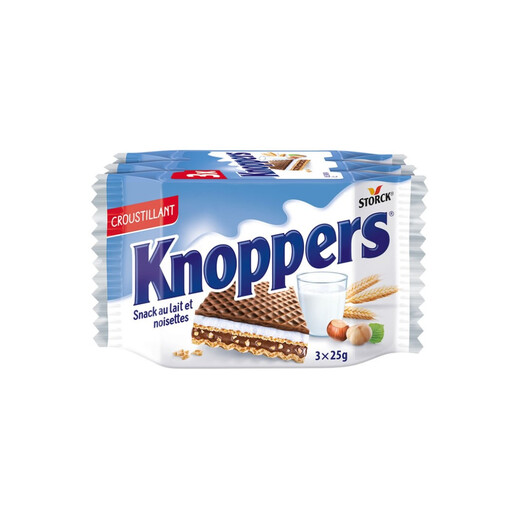 Image unavailable
This pack of three 25 g portions lets you plan separate coffee breaks rather than serve an assortment. If you have dietary requirements, check the ingredients and allergens for this variety.
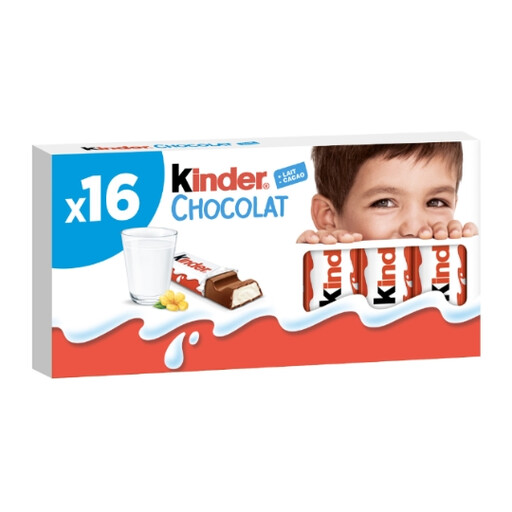 Image unavailable
This pack of 16 portions could be a handy option for serving chocolate over several breaks. To compare how much you’ll be eating with other formats, check the weight and nutritional values on the packaging.
 Image unavailable
The three 50 g bars are a good option if you want to split the chocolate between several occasions or people. If you’re serving it with coffee, consider the amount you’ll offer and check the allergens on the packaging.
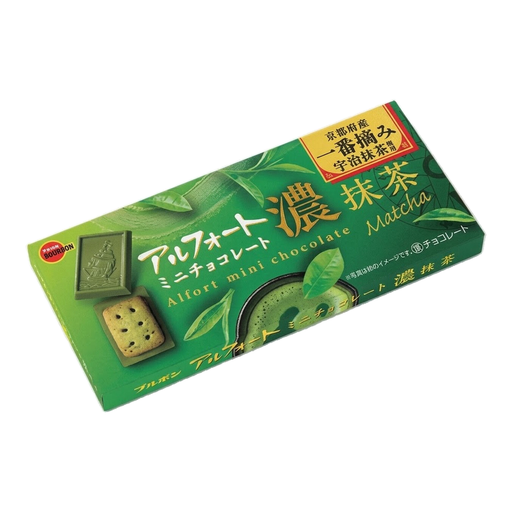 Image unavailable
These matcha chocolate biscuits are another option for a coffee break, though they’re not traditional chocolate bars. The pack contains 12 pieces, weighing 60 g in total. Check the ingredients if you’re choosing them for someone else.
No. The French Ministry of the Economy says displaying it remains voluntary in France. The DGCCRF explains that prepacked foods generally have to include a nutrition declaration, so check this even if there’s no Nutri-Score.
No. Article 1613 ter of the French General Tax Code, published by Légifrance, covers drinks and liquid preparations for drinks, not solid chocolates. To check the sugar content of a bar, look at its nutrition declaration instead.
Check the ingredients list and allergens for every variety in the exact box, along with any ‘may contain’ warnings. The DGCCRF reminds shoppers that allergenic ingredients must be highlighted on the labels of prepacked foods. Don’t assume you know what a chocolate contains from its name alone.
Check the best-before date and storage instructions on the packaging. Also check the number of pieces and the varieties to make sure the box is right for the occasion.