Anyone making biscuits
You’re looking for an ingredient to use in your recipe. Before comparing formats, make sure you distinguish baking chocolate from a frozen dessert or a selection of chocolates to give as a gift.


For baking biscuits, look for chocolate or another ingredient that’s specifically labelled for baking. The cones featured by Carrefour and Magnum are frozen desserts, not baking ingredients. If you want to serve ice cream, choose a cone and check its labelling and storage instructions. If you’re buying chocolate as a gift, take a closer look at the ingredients and presentation of a gift box.
You’re looking for an ingredient to use in your recipe. Before comparing formats, make sure you distinguish baking chocolate from a frozen dessert or a selection of chocolates to give as a gift.
You’re looking for cones to enjoy as a dessert. The number of portions, the recipe, declared allergens and storage instructions matter more than whether the product is suitable for baking.
You want a selection and presentation that suit the recipient. Check the ingredients, allergens and date shown on the gift box you choose. Don’t assume it’s also suitable for baking.
First, decide what you need the product for: baking biscuits, serving a frozen dessert or giving chocolate as a gift. These categories aren’t interchangeable, so check the details of the specific product before making your choice.
Choose this: if you’re making biscuits, and look for a product that’s labelled as suitable for your recipe.
Keep in mind: this won’t replace a ready-to-serve frozen dessert, and may not be suitable as a gift box either.
Choose these: if you want to serve a frozen dessert and can follow the transport and storage instructions.
Keep in mind: Carrefour lists cones under ice cream and sorbets; they’re not a type of chocolate for biscuits.
Choose this: if a gift-ready presentation is your priority.
Keep in mind: check what’s in the box. Its presentation alone doesn’t mean it’s suitable for baking.
| Criteria | What to check | Who is it for? |
|---|---|---|
| Product use | The product name and stated use: baking ingredient, frozen dessert or gift selection. | I want to add chocolate to my biscuits without accidentally buying an ice cream cone. Around 50% of consumers in this situation would put this distinction first. |
| Ingredients and allergens | The ingredients list and allergen information on the packaging of the exact product. | If I’m sharing the product or giving it to someone who is sensitive to certain ingredients, I need to be able to check the ingredients before choosing. This would be the priority for around 30% of consumers in this situation. |
| Date and storage | The date shown and the product’s storage instructions, particularly for a frozen dessert. | If I’m transporting cones or keeping a gift until it’s time to give it, I need to be able to follow the instructions on the pack. Around 20% of consumers in this situation would make this their main criterion. |
Carrefour lists cones under ice cream and sorbets, while Magnum also describes its Cône Disc Pistache as ice cream in a cone. The fact that these desserts contain chocolate doesn’t make them baking ingredients.
First decide whether you want to bake, serve ice cream or give a selection as a gift. Then look for a product that suits that purpose.
The recipe depends on the specific product. According to Anses, food labelling helps people with sensitivities find information about allergens.
Read the ingredients, declared allergens and any precautionary statements on the exact product packaging, including for gifts.
The Directorate-General for Competition, Consumer Affairs and Fraud Control distinguishes between a use-by date, which is a strict deadline, and a best-before date.
Check which date appears on the product and follow its storage instructions too, especially if it’s ice cream.
Magnum describes its Cône Disc Pistache x4 as pistachio ice cream in a crispy cone, topped with a chocolate disc and pieces of pistachio.
Carrefour lists cones in its “Ice Cream and Sorbets” section, alongside other types of frozen dessert.
These two products are worth considering for different occasions: one is a selection of sweets to share, while the other should be checked if you’re looking for a frozen dessert. If you’re baking biscuits, don’t assume either one can replace a baking ingredient.
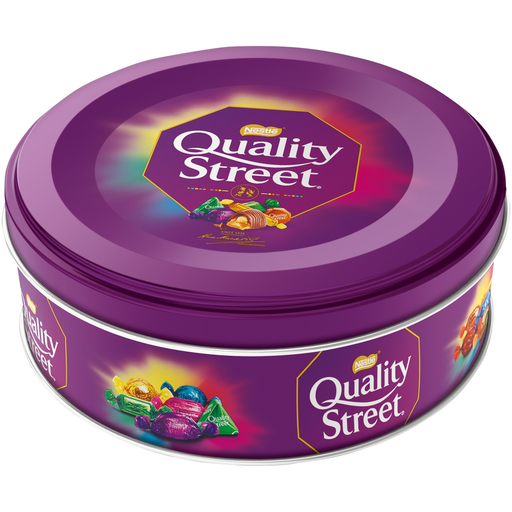 Image unavailable
Worth considering if you’re looking for a selection to share or give as a gift, rather than an ingredient specifically intended for baking biscuits.
400 g tin. Check the ingredients and allergens before sharing or giving the selection as a gift.
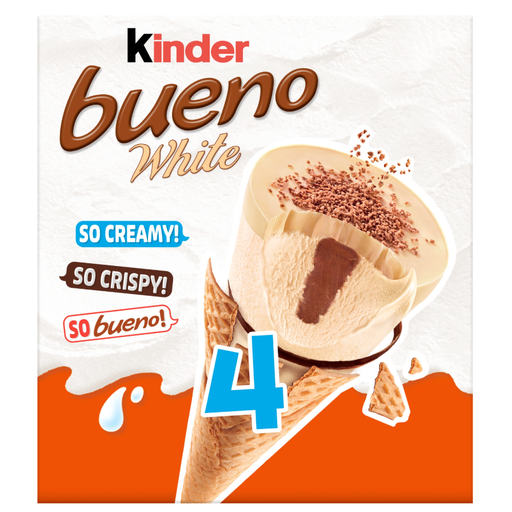 Image unavailable
If you’re looking for a frozen dessert rather than an ingredient for biscuits, check the packaging to confirm what this product is before choosing it.
The product name indicates a pack of 4 × 60 g. Also check the allergens and storage instructions for the product you receive.
Not as a baking ingredient: Carrefour lists cones as frozen desserts, and Magnum describes its cone as ice cream. For biscuits, look for a product that’s specifically labelled as suitable for your recipe.
Read the ingredients list, declared allergens and any precautionary statements on the packaging of the exact product. Anses notes that food labelling helps people with sensitivities avoid allergic reactions.
No. The Directorate-General for Competition, Consumer Affairs and Fraud Control explains that a use-by date is a strict deadline, while a best-before date indicates a minimum durability date. Check which date appears on your product and follow its storage instructions, particularly for ice cream.