Chocolate Digestive fans
You’re looking for a chocolate biscuit to serve at the end of drinks, separately from crackers and other savoury biscuits.


A chocolate Digestive is a good choice if you’d like to end your Christmas drinks with something sweet, rather than use it as a substitute for savoury biscuits. To choose between a Digestive and another type of chocolate biscuit, first consider the type of biscuit and chocolate, then check the allergens, how much you’ll need to serve and the pack’s nutritional information.
You’re looking for a chocolate biscuit to serve at the end of drinks, separately from crackers and other savoury biscuits.
If a guest needs to avoid an ingredient, check the information on the pack you’ve bought and consider how you’ll serve the biscuits.
You want to compare the sugar, fat and salt content, and the Nutri-Score where shown, of biscuits intended for the same part of the meal.
First decide whether you specifically want a chocolate-coated Digestive or simply a chocolate biscuit to serve at the end of drinks. The format, allergens and nutritional information can then help you choose between products.
| What to consider | What to check | Who is it for? |
|---|---|---|
| Digestive style | Check the product description and ingredients list. Carrefour France’s listing for McVitie’s Digestives Milk Chocolate 200 g states that they contain 30% milk chocolate and 9% wholemeal wheat flour. | If I specifically want a chocolate-coated Digestive, a filled biscuit won’t be quite the same. Around 36% of consumers prioritise this style of biscuit. |
| Nutritional information | Compare sugar, saturated fat and salt per 100 g across similar products, then consider the portion you’ll serve. Santé publique France explains that displaying the Nutri-Score is voluntary. | When choosing between chocolate biscuits, I want to be able to read their nutritional values rather than judge them by the packaging alone. Around 29% of consumers put this comparison first. |
| Sharing size | Check the net weight, the stated number of biscuits or sachets, and the storage instructions. Plan to serve them separately from moist foods. | When I’m putting together a Christmas platter, the quantity and ease of serving matter as much as the shape of the biscuit. Around 21% of consumers put sharing needs first. |
| Avoiding gluten | Look for a ‘gluten-free’ claim on the product you choose, and also check the other allergens and traces listed on the packaging. | If a guest needs to avoid gluten, I look for a product carrying that claim, without assuming it also meets their other dietary requirements. Around 14% of consumers put this check first. |
Carrefour France describes McVitie’s Digestives Milk Chocolate as sweet biscuits coated in milk chocolate. The name alone doesn’t mean they have any effect on digestion.
Serve them as a sweet option to finish your drinks, rather than as a direct substitute for savoury crackers.
The contribution on drinks described by Légifrance doesn’t apply to solid biscuits. Santé publique France also says that displaying the Nutri-Score is voluntary, so if it isn’t shown, you should still check the nutritional information.
To compare biscuits, look at the ingredients and nutritional values per 100 g on the relevant packs.
The Carrefour France listing for Schär Sablé Choc says ‘gluten-free’, but also lists milk and soya and warns that lupin may be present.
Read the label on the product you’re serving, and keep biscuits intended for a guest with dietary requirements away from crumbs from other products.
A pack that’s enough for a few biscuits with coffee might not be suitable for a platter for all your guests.
Check the quantity and the stated number of biscuits, taking into account any other treats you’ll be serving.
These examples show different types of biscuits; their characteristics don’t apply to every product from each brand.
Digestives Milk Chocolate is the kind of milk chocolate Digestive you might choose for a sweet finish to your drinks.
Carrefour France’s Sablé Choc is a different type of chocolate biscuit and is labelled ‘gluten-free’.
Its dark chocolate petit-beurre biscuit is an alternative to a milk chocolate Digestive, not the same type of biscuit.
Kango is a chocolate-filled biscuit that adds a different texture to a sweet platter, but it isn’t a Digestive.
Choco Star is a shortbread biscuit coated in milk chocolate, so it’s different from a Digestive.
These products are suitable if you’d like to serve chocolate biscuits at the end of drinks: chocolate-coated, filled or chocolate biscuits. They aren’t described as Digestives, so if you’re looking for that specific style, check the product description before you choose.
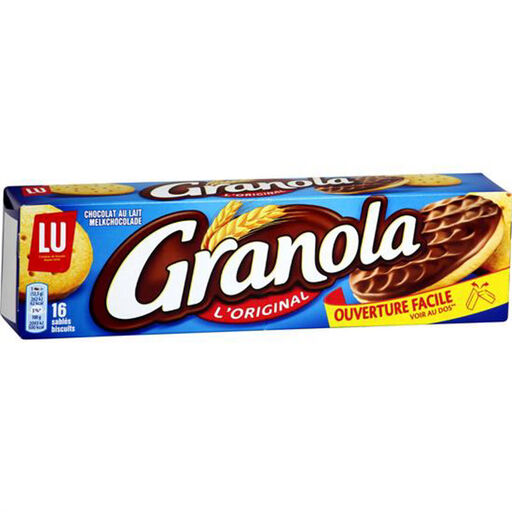 Image unavailable
This chocolate-coated biscuit is a sweet option to serve after savoury biscuits, but it isn’t described as a Digestive. Check the allergens and nutritional information on the pack you’re serving to your guests.
 Image unavailable
This multipack could be a good choice if you’re planning to serve filled biscuits as part of a large sweet platter. They’re a different shape and style from a chocolate-coated Digestive, so check how much you plan to open and the allergens listed on each pack.
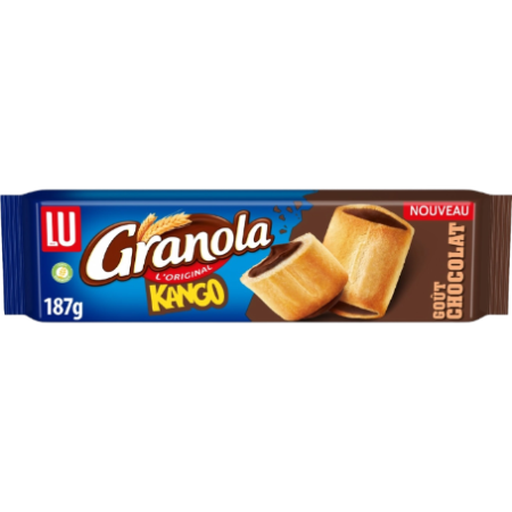 Image unavailable
This filled biscuit is an option for a sweet course, but it isn’t the same style as a chocolate-coated Digestive. Check the pack size against the number of guests, and read the label again before serving it to anyone with an allergy.
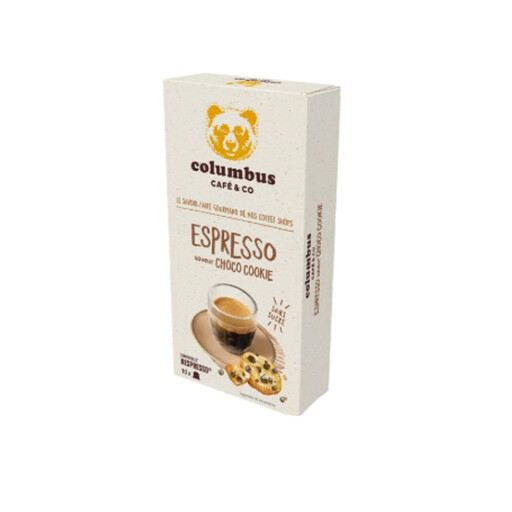 Image unavailable
The stated number of biscuits makes it easier to plan individual portions, especially if you’re serving them with coffee at the end of drinks. These are chocolate biscuits rather than Digestives, so check the ingredients list to meet your guests’ needs.
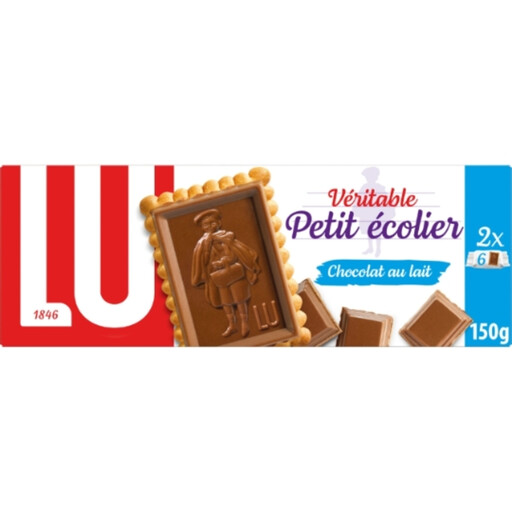 Image unavailable
This butter biscuit coated in milk chocolate makes a good accompaniment to a hot drink after your Christmas get-together. It isn’t described as a Digestive, so check the label for allergens and nutritional values.
No. The contribution described by Légifrance applies to drinks and liquid preparations for drinks, not solid biscuits. To compare the sugar content of biscuits, use their nutritional values per 100 g.
No. Santé publique France says that producers can choose to display the Nutri-Score. Even when it appears on the pack, read the nutritional information and ingredients list to compare the products you’re interested in.
Check the information on each pack you’ve bought rather than relying on the type of biscuit alone. The French Directorate General for Competition Policy, Consumer Affairs and Fraud Control reminds consumers that allergenic ingredients must be highlighted on the label. The products mentioned here may contain wheat, milk or soya, among other ingredients or traces depending on the product.
Follow the storage instructions on the pack. Monoprix and Auchan France’s listings for chocolate biscuits advise protecting them from heat or moisture, depending on the product. When serving, keep the biscuits separate from moist foods.