You could consider a chocolate-coated biscuit as a snack outside the race if you’ve already tried it, but its coating and format don’t automatically make it suitable fuel during a marathon. For exercise, start with the carbohydrates in the portion you’ll actually eat and how well you tolerate it. When choosing a biscuit, also compare fat, ingredients and allergens, and check the Nutri-Score only if one is shown.
Who is this option for?
Runners planning their carbohydrate intake
When preparing for a marathon, you’ll want to know what a portion contributes to your diet before or during exercise. World Athletics highlights the importance of tailoring your carbohydrate and fluid intake to the demands of the competition.
Runners mindful of digestive tolerance
If certain foods upset your stomach while you’re running, the ingredients and timing matter more than how convenient a biscuit is. The Gatorade Sports Science Institute highlights fat, fibre and dairy products as some of the factors to consider during exercise.
Shoppers comparing labels
You’re looking for a chocolate biscuit as a snack and want to compare the nutritional values, ingredients and allergens of specific products, without making assumptions based on the brand alone or the absence of a Nutri-Score.
What should you look for?
For a marathon, first decide whether the biscuit is for a snack outside the race or to eat during exercise. Portion size and portability won’t carry the same weight in each case.
| What to consider |
What to check |
Who is it for? |
| Carbohydrates per portion |
The amount of carbohydrate in the portion you’ll eat and how it fits into your planned intake during exercise. |
If I plan to eat during the race, I want to be able to measure what each serving provides rather than rely on the size of the packet. Around 42% of consumers put this need to measure their intake first. |
| Digestive tolerance |
Fat, fibre where listed, and the biscuit’s ingredients; try the amount you plan to eat during training. |
If a food might upset my stomach while I’m running, I’d rather know what’s in it before I pack it. Digestive tolerance is the top priority for around 33% of consumers. |
| Label and portability |
Nutritional values per 100 g, allergens, pack size and the Nutri-Score letter if it appears on the product. |
When choosing a snack to take with me, I need to compare specific products and know how easy they are to carry. Around 25% of consumers put this need to compare products and find a practical option first. |
Mistakes to avoid
-
Confusing the Nutri-Score with a mandatory label
In France, the DGCCRF explains that the Nutri-Score is voluntary, while nutrition labelling is mandatory for most prepacked foods. So if the logo is missing, that doesn’t tell you the product’s score or, by itself, indicate that anything is wrong.
If the Nutri-Score affects your choice, check the letter for the exact product and compare its nutrition information and ingredients too.
-
Assuming a chocolate biscuit is suitable race fuel
The Gatorade Sports Science Institute recommends 30 to 90 g of carbohydrate per hour during exercise lasting more than 60 minutes, depending on the circumstances. If you don’t know how much of a biscuit you’ll eat, you can’t use it to track a planned intake; you’ll also need to consider how well you tolerate it.
If you’re thinking of eating during the race, work out the carbohydrate content of the portion you plan to have and try the product during training.
-
Assuming every product from a brand has the same nutritional values
According to Carrefour France product listings, BN milk chocolate biscuits and BN Pépites et Nappage contain 18.1 g and 24 g of fat per 100 g respectively. These figures relate to two different products, not all BN biscuits.
Compare the nutrition table and pack weight of the specific product you’re planning to buy.
-
Overlooking allergens and packaging
The chocolate biscuit recipes reviewed have different ingredients. Packaging that works for a snack at home may not be easy to open or protect in your running kit.
Check the allergens for the exact product and try it on a training run to see whether the packaging works for you.
Brands to consider when comparing recipes
LU
LU’s range includes Choco'Croc Petits Cœurs, a biscuit coated in milk chocolate.
- The Carrefour France listing for this product shows its ingredients and states that it contains 23 g of fat per 100 g.
- This figure doesn’t indicate the composition of other LU biscuits or how well they might be tolerated during a race.
BN
The range reviewed includes a milk chocolate biscuit and Pépites et Nappage, with a milk chocolate flavour.
- Carrefour France states that the milk chocolate coating makes up 30% of the Pépites et Nappage recipe.
- This product contains 24 g of fat per 100 g, compared with 18.1 g for the BN milk chocolate biscuit reviewed. Compare each recipe individually.
Carrefour Extra
The Carrefour Extra chocolate-coated wafer offers another type of chocolate biscuit to compare.
- The Carrefour France listing states that this product contains 40% chocolate and provides its nutritional values.
- It contains 31 g of fat per 100 g. This figure alone can’t tell you how well you’ll tolerate it or reflect the entire Carrefour Extra range.
Chocolate biscuits available on Joybuy
These products let you compare chocolate-coated or chocolate-covered biscuits, as well as a filled biscuit as an alternative for a snack. If you’re thinking of eating them around a marathon, check the portion size and try it during training before deciding whether it suits your needs.
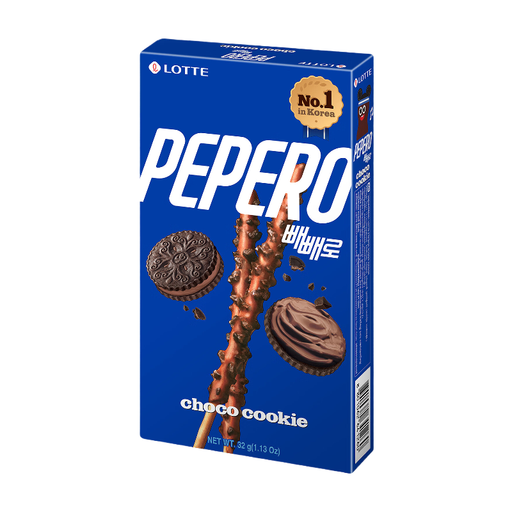 Image unavailable
LOTTE PEPERO Chocolate Cookie biscuit sticks, 32 g
The 32 g pack could be considered as a snack to try outside the race. If you’re planning to include it in a set carbohydrate intake, check how much you’ll get from the amount you’ll eat, as well as the allergens listed on the packaging.
View on Joybuy
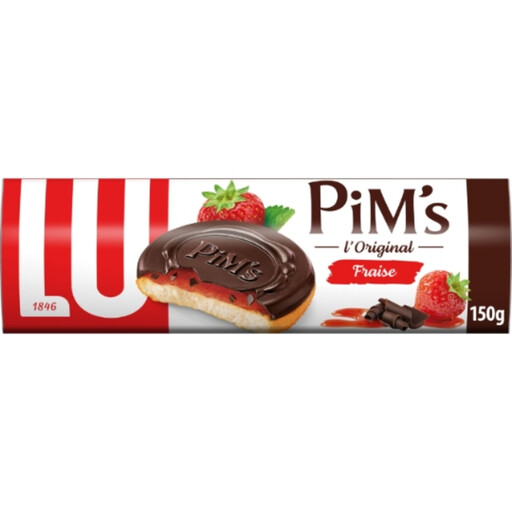 Image unavailable
LU Pim's Strawberry & Chocolate sponge biscuits, 150 g
This strawberry and chocolate recipe can be compared with other chocolate biscuits as a snack for outside exercise. Check the ingredients and nutritional values for the portion you plan to eat, without assuming how well it will be tolerated during a race.
View on Joybuy
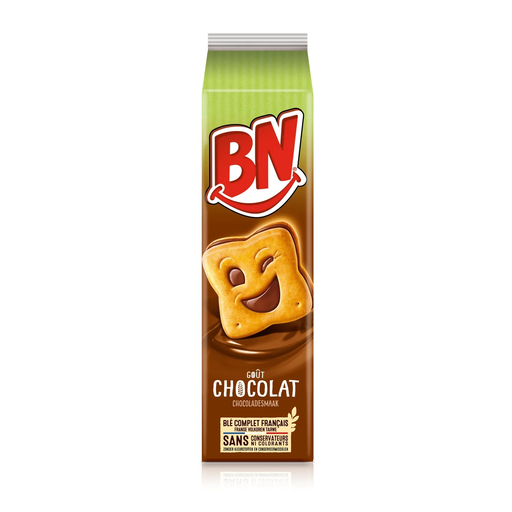 Image unavailable
BN chocolate-filled biscuits, 16 biscuits, 285 g
These filled biscuits are an alternative to compare with coated varieties, not another chocolate-coated biscuit. The pack contains 16 biscuits. Check the carbohydrate content of the amount you’ll eat before counting them towards your intake during exercise.
View on Joybuy
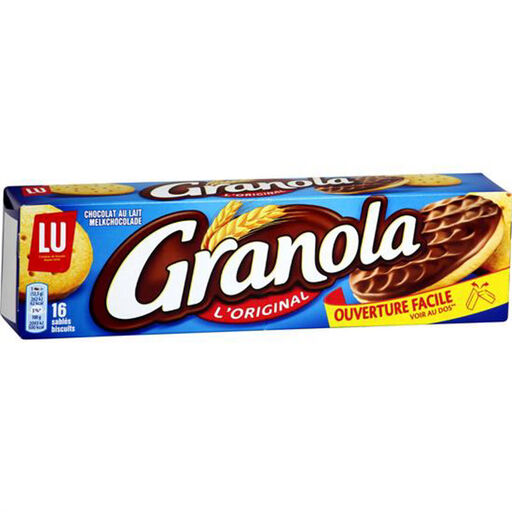 Image unavailable
LU Granola shortbread biscuits covered in milk chocolate, 200 g
This pack of shortbread biscuits covered in milk chocolate could be considered for a snack outside the race. Compare the fat and carbohydrate content of your chosen portion, then try it if you’re planning to eat it close to a training session.
View on Joybuy
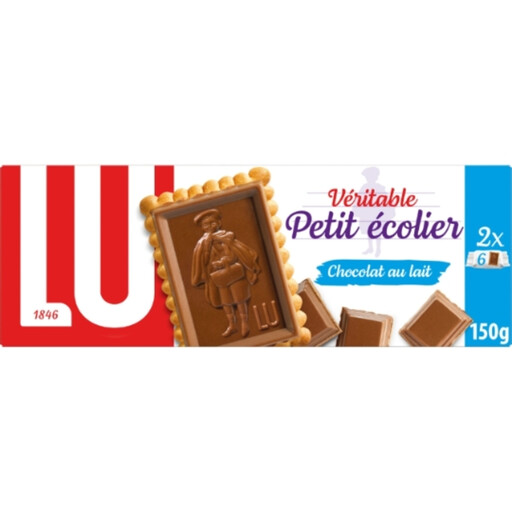 Image unavailable
LU Petit Écolier butter biscuits covered in milk chocolate, 150 g
This product combines a butter biscuit with a milk chocolate coating in a 150 g pack. To compare it as a snack, check the nutritional values and allergens for the exact product, then work out the carbohydrate content of your portion.
View on Joybuy
Frequently asked questions
Is the Nutri-Score mandatory on biscuits in France?
No. The DGCCRF says the Nutri-Score is voluntary in France, unlike nutrition labelling, which is required for most prepacked foods. If the score matters to you when comparing products, check the letter shown for the specific biscuit.
Is one chocolate-coated biscuit enough to fuel you during a marathon?
The format alone won’t tell you. The Gatorade Sports Science Institute recommends 30 to 90 g of carbohydrate per hour during exercise lasting more than 60 minutes. You’ll need to know how much you’ll eat, factor in your other planned sources of fuel and make sure you’ve tested how well you tolerate it.
What should you compare on the labels of two chocolate biscuits?
Compare their nutritional values per 100 g, then check the carbohydrates and fat in the portion you’d eat. Also read the ingredients and allergen information: a filled biscuit and a coated biscuit may have different ingredients.
Should you try a new biscuit on race day?
It’s best to try the specific product and portion you’re considering during a similar training session beforehand. The Gatorade Sports Science Institute notes that digestive tolerance during exercise varies from person to person. It’s also worth practising with the packaging and seeing how easy the biscuit is to eat while running.


