
Livraison le jour même ou le lendemain

Qualité garantie

Débloquez vos offres de bienvenue: Livraison GRATUITE | Jusqu'à -80 % | 30 jours d'essai gratuits à JoyPlus
Téléchargez l'application
Chocolate chip biscuits may seem easy to pick apart, but the packaging doesn't always tell the whole story. The term "melting" can refer to a biscuit that is particularly high in fat, while a high percentage of chocolate doesn't guarantee either a good distribution of chips or a truly pronounced flavour.
Whether you're looking for chocolate cookies, Japanese biscuits or a French speciality, three pitfalls often crop up when making your choice:
Texture depends on both the recipe and the packaging. Crunchy chocolate biscuits generally contain raising agents and are designed to stay dry. Soft cookies, on the other hand, may include syrup, starch or a filling that retains more moisture.
To choose without getting it wrong:
Imported products can hold a few surprises. Korean chocolate biscuits sometimes combine a soft dough with a glutinous rice centre, while some Japanese biscuits focus on a thinner, noticeably crunchier dough.
Ingredients are listed in descending order of weight. Pay particular attention to where the chocolate, cocoa, butter and vegetable oils appear. A biscuit stating "26% chips" cannot be directly compared to another that claims a total chocolate percentage.
The issue of allergens also deserves your full attention. Among the products featured, several contain wheat or gluten, milk, soya or eggs. Some may also carry a mention regarding traces of nuts or sesame. In the case of an allergy, only the label on the product you receive is definitive: recipes and statements can change.
For the youngest children, don't confuse a family snack with baby biscuits from 12 months. The Blédina product specifies a recommended age, supervision conditions and the skills required for eating pieces. It should be offered under supervision, in line with the instructions on the packaging.
A pack of 80 to 90 g is suitable for occasional consumption or for popping in a bag. Formats of 150 to 250 g are better for sharing or keeping as a store-cupboard staple. Individual sachets, meanwhile, help prevent loss of crunchiness after opening.
Store biscuits in a dry, cool place away from light. For soft products and mochi, reseal the pack carefully after opening and follow the instructions specific to each product. Also remember to check the best-before date and the manufacturer's recommendations directly on the packaging.
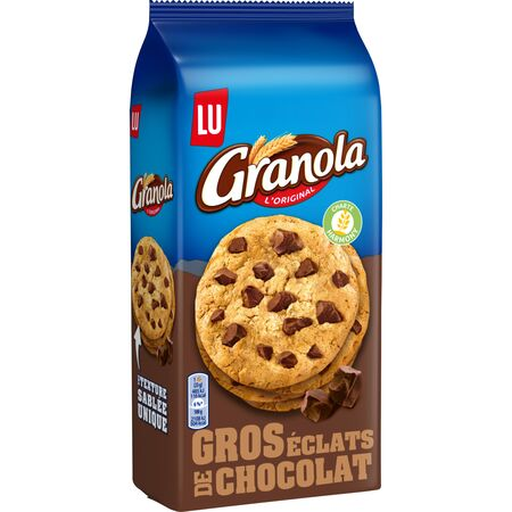
Why this choice suits this profile: At 184 g, this pack is ideal both for a first try and for stocking the family cupboard. The chocolate chunks are stated at 33%.
The amount of chocolate is clearly stated, making it easier to compare this biscuit with other options.
33% chocolate chunks, a 184 g pack and a texture described as crunchy.
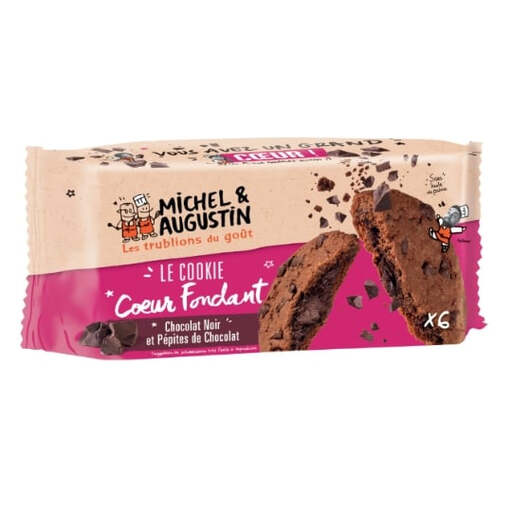
Why this choice suits this profile: This French speciality focuses on a more refined recipe, with butter, dark chocolate chips and a caramel centre.
The product page clearly separates the dark chocolate chips, at 15%, from the dark chocolate powder, at 5%.
Made in France, 180 g, 6 biscuits and 13 g of saturated fat per 100 g.
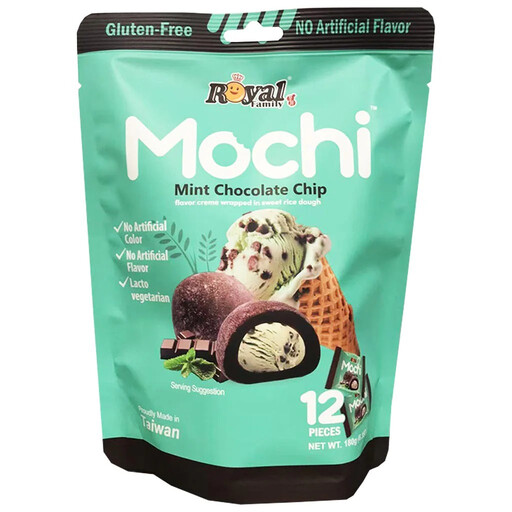
Why this choice suits this profile: This chocolate-mint mochi offers a soft rice cake texture, a world away from the classic dry biscuit.
The ingredients list mentions peppermint, chocolate chips at 0.3% and a milk filling.
A 180 g format, a soft texture and the stated presence of milk and soya to consider depending on your requirements.
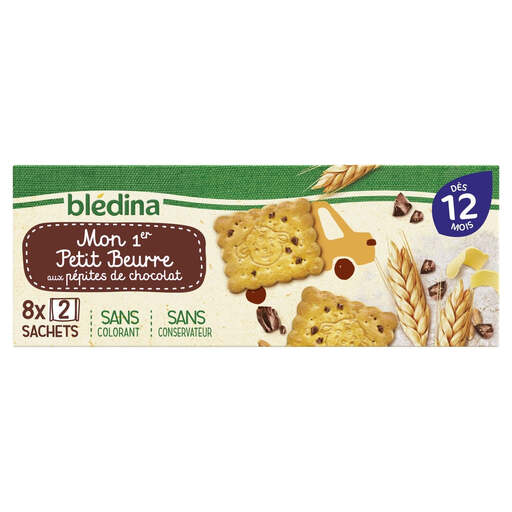
Why this choice suits this profile: This product is intended for children from 12 months and comes with precise instructions regarding supervision and storage.
The recommended age, prerequisite skills and the need to supervise the child are clearly stated.
133 g, 6% chocolate pieces and made in France.
Find a full selection, updated in real time, of products that meet these criteria and the requirements of European safety regulations.
It all depends on the product and the instructions on its packaging. In most cases, reseal the pack carefully and store it in a dry, cool place away from light. Dry biscuits are mainly at risk of losing their crunch, while mochi and other soft products should be eaten quickly after opening.
Start by checking the description and ingredients, then go for products described as crunchy or shortbread. Individual packaging also helps preserve the texture. Filled cookies and biscuits with a soft filling will generally offer a very different mouthfeel.
No. The stated age does not remove the need to follow the preparation instructions or to supervise the child. For the Blédina product, the child must be able to sit up, eat pieces and already have two teeth. Always check the allergens, instructions and pack label before serving the product.