
Livraison le jour même ou le lendemain

Qualité garantie

Débloquez vos offres de bienvenue: Livraison GRATUITE | Jusqu'à -80 % | 30 jours d'essai gratuits à JoyPlus
Téléchargez l'application
On the shelf, chocolate chip biscuits can look almost identical. Yet their texture, ingredients and packaging can completely change the experience. From crumbly cookies that fall apart, to overly sweet biscuits and awkward individual packets, disappointment can quickly spoil your teatime treat.
Before you stock the cupboard, keep three pitfalls in mind:
To choose the right biscuits – whether for teatime, a coffee break or discovering specialities from abroad – it's best not to rely on the packaging alone.
Ingredients are listed in descending order of quantity. When chocolate or chips appear among the first ingredients, their presence in the mouth can be more noticeable. However, this alone doesn't determine the texture or sugar level of the product.
In this selection, several benchmarks help you compare recipes:
These percentages don't create a quality ranking. They mainly give you a concrete basis for comparing different recipes.
The term "chocolate biscuit" covers very different experiences:
To avoid unpleasant surprises, seal the packet carefully after opening and follow the instructions on the packaging. Filled or particularly soft products may need to be eaten more quickly.
In France, allergens must be clearly shown on the label. The products featured here may contain wheat or gluten, milk, eggs and soya. Some also mention the possible presence of nuts or sesame.
For children, usage recommendations should be taken seriously. Blédina biscuits are intended for babies from 12 months. The manufacturer states that the child should be able to sit up, eat foods containing small pieces, hold a piece of bread and already have two teeth. Adult supervision during eating is essential to minimise choking risks. These biscuits should complement a varied diet and must never replace a meal.
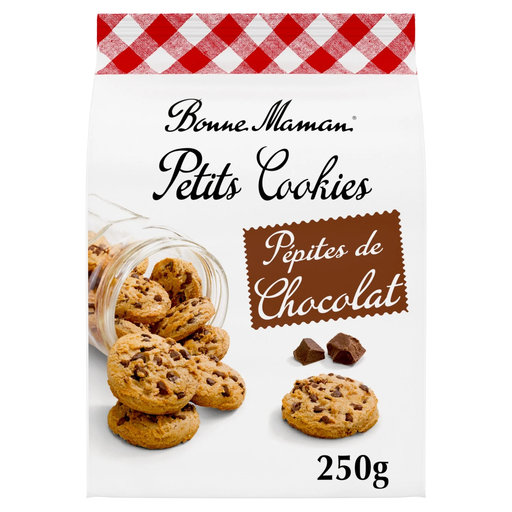
Why this choice suits this profile: The 250 g format works well for a first try or a family cupboard, with small biscuits that are easy to serve.
The 26% chip proportion is clearly stated, making it easy to compare with other chocolate biscuits.
A recipe with butter, eggs, wheat flour and oat flour; 26% chocolate chips.
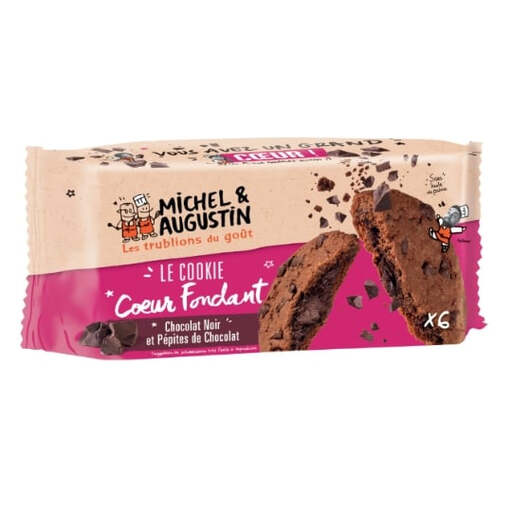
Why this choice suits this profile: This French product pairs beautifully with a hot drink or makes a lovely gift to share.
The product page details the weight, number of biscuits and chip proportion, rather than relying solely on attractive presentation.
Buttery crunchy biscuits, with 15% dark chocolate chips and a soft centre.
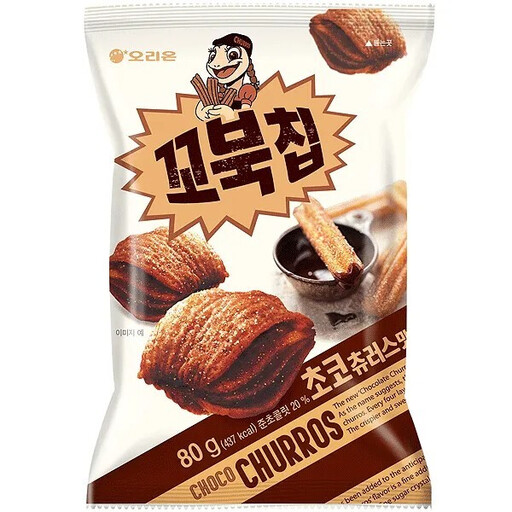
Why this choice suits this profile: This 80 g Korean snack is perfect for anyone wanting a change from classic biscuits, offering an on-the-go treat with original textures and flavours.
At 80 g, it offers a separate portion that's easier to finish and store than a large pack once opened.
A turtle shape, chocolate coating and cinnamon churro seasoning; the product page states 533.3 kcal per 100 g.
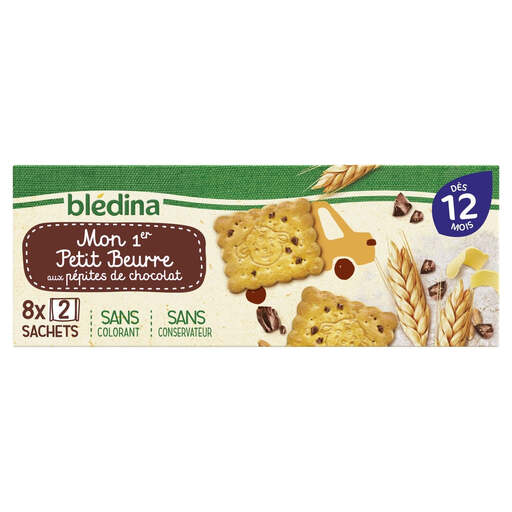
Why this choice suits this profile: This product is specifically designed for little ones from 12 months and provides clear usage instructions.
The recommended age, supervision requirements and storage after opening are all specified; always check the label on the pack you receive.
Made in France, with no preservatives or colourings according to the product page, and 12.8% butter.
We've put together a comprehensive, real-time selection of products that meet these exacting criteria, while also taking European safety regulations into account.
Fans of Japanese chocolate biscuits can try Furuta KAMAYAKI Chocolate Chip Cookies, whose recipe states 82% wheat flour. Their profile differs from Western cookies through the use of vegetable fats and flavourings.
For a softer texture, Cheongwoo Chewy Chocochip Cookie combines a soft biscuit with a mochi-style centre. The Royal Family Mochi-Mint Chocolate Chip, meanwhile, features a glutinous rice wrapper, a milky filling, mint and chocolate pieces. These products are more like sweet snacks to discover than classic biscuits.
The Naziba Squid Game Chocolate Crisps and LU Granola will appeal more to those who love crunch. However, remember to compare the weight, number of portions and nutritional values – this helps you avoid paying mainly for the design or oversized packaging.
Keep them in a dry, cool place away from light. Seal the packet carefully or transfer the biscuits to an airtight container to preserve their crunch. For soft or filled products, follow the manufacturer's recommendations and the storage time stated after opening.
Only choose a product whose label clearly states the recommended age, such as Blédina biscuits from 12 months. Check the allergens, follow the usage conditions and stay with the child while they eat. If in doubt, rely on the information on the packaging you receive, as this is the most up-to-date.
A cookie is generally thicker and can be crunchy or soft. A shortbread is crumbly, thanks to a recipe rich in fat. Chocolate mochi is made with glutinous rice dough and a soft filling – its elastic texture is very different from a traditional biscuit.