Family and friends buying chocolates to share
You’d like to offer a treat at snack time, while choosing flavours and textures that suit the person you’re inviting.


A box of chocolates can be a good choice to share at snack time if the person enjoys the flavours, can chew them and has no dietary restrictions that conflict with the ingredients. Chewing gum is not a substitute for a snack: sugar-free gum may only be an option after eating, if chewing is comfortable. If the person is losing weight or having difficulty eating or swallowing, seek professional advice before choosing a treat or chewing gum.
You’d like to offer a treat at snack time, while choosing flavours and textures that suit the person you’re inviting.
If the person wears an uncomfortable denture, struggles to chew or needs to avoid certain ingredients, what’s inside the box matters more than its presentation. Ameli advises discussing difficulties with chewing or swallowing with a health professional.
You’re looking for something to enjoy occasionally after eating, not a snack in itself. The French Union for Oral Health says sugar-free chewing gum is not a substitute for brushing your teeth.
Worth considering: as a treat to share with someone who wants to eat it and can chew the chocolates you’ve chosen.
Bear in mind: an assortment contains different ingredients and textures, so you may need to check each variety individually.
Worth considering: only as something to enjoy after eating, in a sugar-free version that the person can chew comfortably.
Limitation: it’s neither a snack nor a substitute for brushing, as the French Union for Oral Health reminds us.
| Factor | What to check before buying | Who should consider this? |
|---|---|---|
| Texture and chewing | Check the varieties one by one and ask whether crunchy pieces or toffee could be difficult to chew. | If the person struggles to chew, I want to avoid giving them a bite they can’t enjoy comfortably. Around 36% of consumers prioritise texture. |
| Ingredients and dietary restrictions | Read the ingredients and allergen information for each variety; don’t rely on the picture on the box. | If I need to accommodate an allergy or dietary restriction, ingredients come before variety. This is a priority for around 29% of consumers. |
| Sharing size | Compare the number of pieces, the weight and the varieties with the number of people sharing. | If I’m giving a box to open together, I look for a size that suits everyone there. Around 21% of consumers would put sharing first. |
| After-snack use | If you’re considering chewing gum, check that it says ‘sugar-free’ and that the person can chew it comfortably. | After eating, I’m looking for an occasional extra rather than another treat. Chewing gum after a snack would be the priority for around 14% of consumers. |
Sugar-free chewing gum may be an option after eating, but it doesn’t count as a snack. The French Union for Oral Health also reminds us that it’s not a substitute for brushing.
If you offer it, keep it separate from the snack and first check that the person can chew it.
An assortment may contain different ingredients and textures, some of which might not suit the person receiving it.
Before buying, read the ingredients for each variety and find out which textures to avoid.
Weight loss or a sustained reduction in food intake calls for more than simply choosing a treat.
Seek medical advice if the person is eating less, losing weight or having difficulty chewing or swallowing.
A retailer where you can browse product details for boxes and assortments of chocolates.
A retailer offering chocolate assortments from a range of manufacturers.
A retailer where you can compare Marque Repère chocolates and listed gift boxes, among other options.
This selection includes an assortment of chocolates to consider for sharing, as well as chewing gum to consider separately after a snack. For the chewing gum, check the packaging for the words ‘sugar-free’ before choosing it for this purpose.
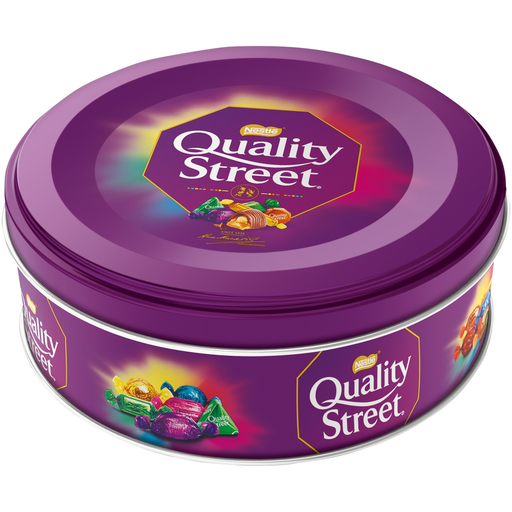 Image unavailable
An assortment to consider if you’d like to share chocolates at snack time. The box also contains toffees, so check the texture and ingredients of each variety before giving it to someone with difficulty chewing or dietary restrictions.
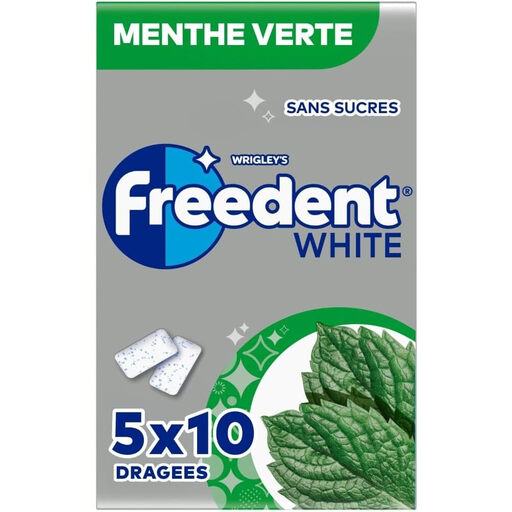 Image unavailable
Consider this after a snack, not instead of one, if the person can chew comfortably. Check the packaging for the words ‘sugar-free’ and review the ingredients. ‘Whitening’ is part of the product name and doesn’t guarantee a particular result.
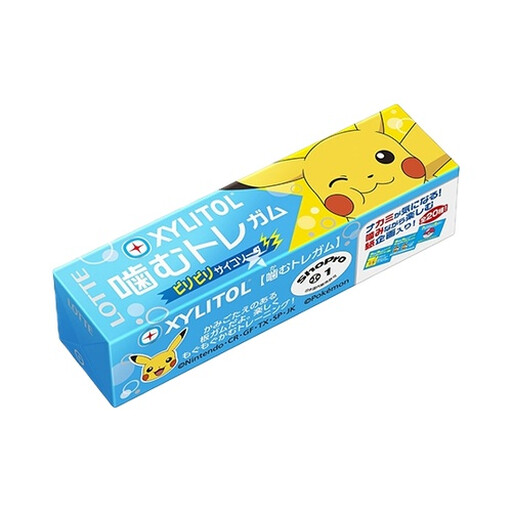 Image unavailable
Chewing gum to consider only as an extra after eating, if chewing isn’t difficult. Check the packaging for the words ‘sugar-free’ and review the ingredients; ‘Xylitol’ is part of the name of this variety.
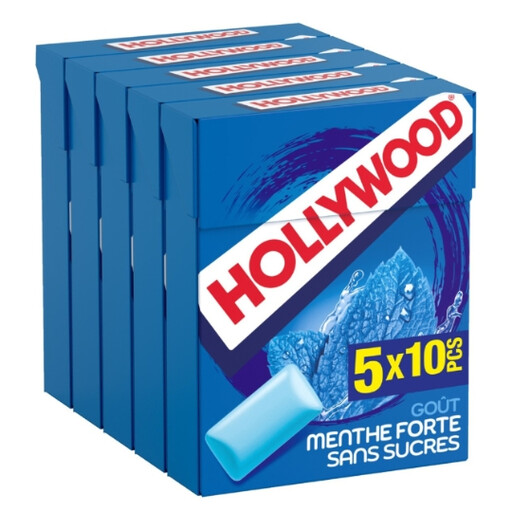 Image unavailable
This multipack can be considered separately from snack time, for someone who wants to chew gum after eating and can do so comfortably. Check the packaging for the words ‘sugar-free’, the ingredients and any precautions.
No. Age alone doesn’t determine whether a box is suitable. Check the textures, ingredients and the person’s dietary restrictions. If they’re eating less, losing weight or having difficulty swallowing, seek professional advice rather than relying on the box to address the problem.
No, sugar-free chewing gum isn’t a snack. The French Union for Oral Health describes it as something you may have after eating and reminds us that it doesn’t replace brushing your teeth.
Check the ingredients, allergens and textures of every variety. If you’re sharing the box, also check the number of pieces and the weight. The outer packaging alone won’t tell you whether every chocolate is suitable for the person receiving it.
Don’t assume that filled chocolates, toffees or chewing gum will be easy to chew. Ask the person which textures suit them. If the discomfort persists or they’re also having difficulty eating, speak to a dentist or another health professional, as recommended by ameli.