
Livraison le jour même ou le lendemain

Qualité garantie

Débloquez vos offres de bienvenue: Livraison GRATUITE | Jusqu'à -80 % | 30 jours d'essai gratuits à JoyPlus
Téléchargez l'application
Finding the perfect chocolate cereals—ones that are both delicious and healthy—can be a real challenge. Between marketing slogans and endless ingredient lists, it's easy to get lost. Our mission: to give you the keys to making an informed choice, without getting bogged down in incomprehensible jargon. Follow this guide for a breakfast that's as chocolatey as it is well-considered.
Before we review our top picks, let's go over the essential criteria. With these few pointers, you'll be able to decode any cereal box, whether in a supermarket or online.
First instinct: turn over the box. The ingredients list and the nutrition facts panel are your greatest allies. Pay close attention to two key indicators:
Because everyone's body is different, the market has adapted to offer alternatives for every profile:
The base grain makes all the difference, both in terms of taste and mouthfeel. Chocolate flakes, usually made from wheat or corn, ensure a lasting crunch. Chocolate-flavoured puffed rice, on the other hand, offers a lighter option and softens more quickly in milk. Here, it's purely a matter of taste!
To put theory into practice, here is our selection, which illustrates the richness of the current market.
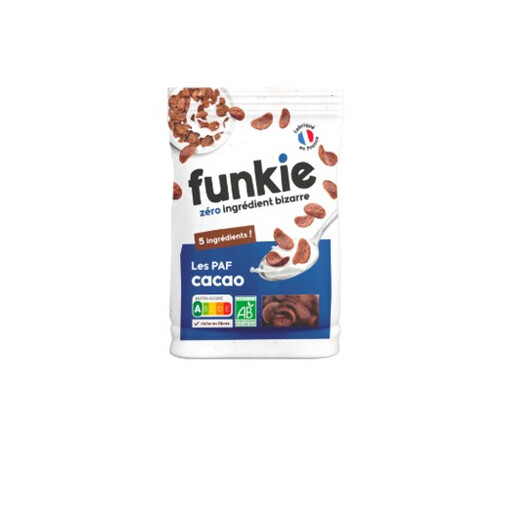
Why we love them: These organic flakes make no compromises: they combine a clean ingredients list with a solid nutritional profile. With whole wheat at the top of the list (36%), a good fibre intake is guaranteed.
Benefits:
Who is it for? The ideal choice for those who want organic chocolate cereals without sacrificing flavour, fibre, or protein to start the day off right.
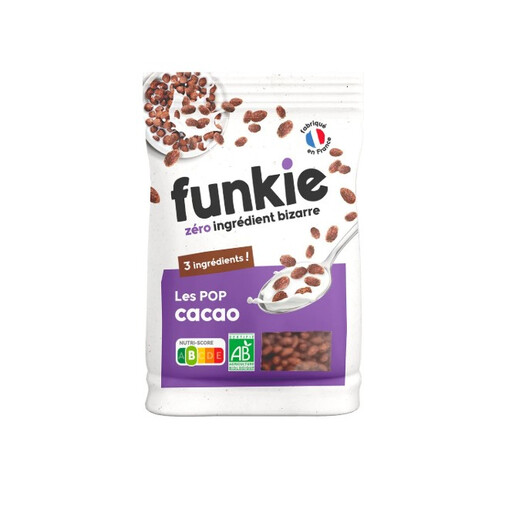
Why we love them: This chocolate-flavoured puffed rice version ticks all the boxes: organic, gluten-free, and light. An interesting alternative to classic flakes, particularly thanks to its low fat content.
Benefits:
Who is it for? For anyone looking for gluten-free cereals or who simply prefers a lighter texture than flakes, all in an organic version.
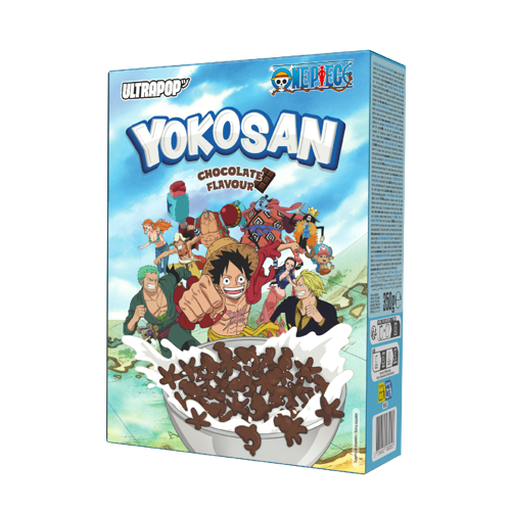
Why we love them: Yokosan cereals are positioned as a smart, fortified option. They blend several grains, including whole wheat, and are boosted with vitamins and minerals.
Benefits:
Who is it for? An excellent choice for families looking for a product that is delicious, convenient, and fortified with nutrients, which will appeal to children and parents alike.
Breakfast isn't just about chocolate! If you want to explore other horizons—fruit cereals, honey cereals, crunchy mueslis—there is no shortage of options.
To broaden your horizons, take a look at our complete selection of Crunchy Cereals.
The first step is to check the "of which sugars" line on the nutrition label. Also, prioritise products where whole grains appear at the top of the ingredients list. A high fibre content helps the body better regulate sugar absorption.
The organic label certifies an agricultural production method without synthetic pesticides, which is more respectful of the environment. However, this does not guarantee a better nutritional profile (less sugar, more fibre, etc.). Choosing organic is a choice related to the cultivation method. To judge the nutritional quality of a product, whether organic or not, only the label tells the whole story.
Absolutely, as long as you follow a few simple rules. Stick to the recommended portion size, pair them with a dairy product (milk, yoghurt) or an unsweetened plant-based drink, and complete your meal with a piece of fresh fruit for vitamins and fibre. Opting for whole-grain, high-fibre cereals is obviously a bonus.