People who eat lunch on the go
If you eat between journeys or appointments, check whether each brioche is individually wrapped. A pack containing several small pieces doesn’t necessarily mean they’re individually portioned.


For a quick lunch, choose a chocolate brioche in an easy-to-carry portion if you can’t cut and reseal a large pack. Sliced brioche is a good choice if you prepare your portions in advance. If you’re looking for a stronger cocoa flavour, the word “dark” alone isn’t enough: check the chocolate ingredients, then compare the nutritional information per 100 g and the allergens.
If you eat between journeys or appointments, check whether each brioche is individually wrapped. A pack containing several small pieces doesn’t necessarily mean they’re individually portioned.
The proportion of chocolate chips can help you compare recipes, but on its own it doesn’t tell you the cocoa content of the chocolate or how it tastes. Check the ingredients of the chips, too.
To compare two brioches of different sizes, start with the nutritional values per 100 g, then check the portion you plan to eat. Make sure you check the allergens for the specific product you’ve chosen.
For chocolate brioche eaten on the go, the packaging determines what you need to prepare before you leave. Your preferred flavour and the label can then help you choose between recipes.
| Criteria | What to check | Who is it for? |
|---|---|---|
| Portability | Look for “individually wrapped” and check the weight of each brioche. Otherwise, consider whether you can prepare a portion to take with you. | When I eat away from home, I want to be able to take a portion out of my bag without having to cut the brioche. Around 40% of consumers would put ease of carrying first. |
| Chocolate and cocoa | Check the proportion of chocolate chips, if stated, and their ingredients. This proportion doesn’t measure the cocoa content of the chocolate. | If I’m looking for a more pronounced chocolate flavour, I want specific information rather than relying on the word “dark”. Around 30% of consumers would prioritise cocoa indicators. |
| Label and storage | Check the nutritional values per 100 g, the allergens and the storage instructions for the product you’ve chosen. | Before choosing between two recipes, I want to compare the nutritional information and check for any allergens that affect me. Around 30% of consumers would check this first. |
The proportion of chocolate chips in a brioche doesn’t tell you the cocoa content of those chips or guarantee that they’ll taste bitter.
Check the chocolate description and the ingredients of the chips before drawing conclusions about the recipe.
A pack of several pieces may mean you’ll need to wrap the ones you take with you. Auchan, for example, lists one product in individual sachets and a sliced brioche that isn’t individually wrapped.
Look for clear wording on the packaging. If you’re buying a pack to share, make sure you have a suitable container for carrying it.
The portions shown for two products may have different weights, so their nutritional values aren’t directly comparable.
Start by comparing the information per 100 g. The DGCCRF specifies this as the basis for presenting nutritional information. Then relate the values to the amount you’ll eat.
Ingredients and possible traces vary by recipe. A brioche’s name alone can’t tell you whether it’s suitable for someone avoiding a particular food.
Check the label of the exact product every time you buy it, including any precautionary allergen statements. The DGCCRF specifies that allergenic ingredients must be highlighted.
The brand offers a sliced, braided brioche with chocolate chips: a format to share or portion up before you set off.
The products reviewed include sliced and braided brioches with chocolate chips.
Carrefour offers chocolate chip brioches in a pack of 12 pieces weighing 500 g.
The products reviewed let you choose between chocolate chip brioches in individual sachets and a sliced brioche.
The product listed by E.Leclerc is a sliced brioche with chocolate chips, in a 500 g x16 pack.
This selection features a 90 g chocolate brioche to consider for lunch on the go. Its name alone isn’t enough to confirm that it contains dark chocolate or has a more intense cocoa flavour.
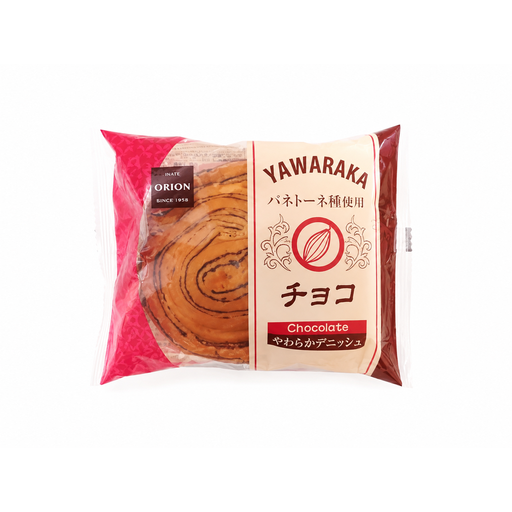 Image unavailable
If you’re taking it for lunch away from home, check the packaging to see whether the brioche is individually wrapped. It weighs 90 g; to find out about the chocolate and check for allergens, read the label on the specific item you’ve chosen rather than relying on the product name.
No. The product listings reviewed mainly state that the brioche contains chocolate chips, and sometimes give their proportion in the brioche. This doesn’t establish a consistent cocoa content or flavour intensity. Check the chocolate description and ingredients for the product you’re interested in.
Start by comparing their nutritional information per 100 g, then take into account the weight of the portion you’ll eat. The DGCCRF specifies that nutritional information should be presented per 100 g; figures given for portions of different weights aren’t directly comparable.
Read the ingredients and check for any possible traces on the exact brioche you’re buying. The products reviewed include ingredients such as wheat, eggs or milk, and other statements may apply depending on the product. In France, the DGCCRF specifies that allergenic ingredients must be highlighted in the ingredients list.
Follow the storage instructions on the packaging. For a sliced brioche in a large bag, check how to reseal the pack after opening and how best to protect the portion you’re taking with you.
No. When comparing chocolate brioches, also check the nutritional information per 100 g and the allergens, then look at the weight and packaging of the portion you want to take with you. A score alone doesn’t tell you what kind of chocolate it contains.