For regular coffee breaks
If you usually have coffee on your own or with one other person, a small box may suit your routine better than a large gift box. Check the net weight and choose an amount you expect to eat.


For your regular coffee breaks, choose a box with an amount that suits your usual consumption. If you’re entertaining, an assortment lets you offer a choice of recipes. In either case, check the ingredients and allergens on the box you’ve chosen, as well as its best-before date, before serving.
If you usually have coffee on your own or with one other person, a small box may suit your routine better than a large gift box. Check the net weight and choose an amount you expect to eat.
When several people are sharing a treat, the size of the box and range of recipes matter more. Lindt, for example, describes its boxes as assortments to enjoy with coffee or tea. To choose the right amount, check the number of servings or pieces where this information is provided.
If a guest needs to avoid an ingredient, read the allergens and ingredient list on the packaging of the box you’ve bought. An assortment may contain several recipes, so its name alone won’t tell you what’s in them.
Start by thinking about how much you need for your coffee breaks, then check the recipes and labelling on the box you’re considering.
| What matters | What to check | Who it’s for |
|---|---|---|
| Amount for regular coffee breaks | Net weight and number of pieces, if stated. | To enjoy with my usual coffees, I’d rather choose an amount I can finish without leaving a large box open. Around 36% of consumers would prioritise a size suited to regular breaks. |
| Size for sharing | Net weight and the number of servings stated for that particular box. | If several people are having coffee, I want to make sure there are enough treats for everyone. A sharing-size box would be the priority for around 29% of consumers. |
| Ingredients and allergens | Ingredient list and allergens highlighted on the packaging of the box you’ve bought. | Before serving an assortment to a guest who needs to avoid certain ingredients, I need to know what’s in each recipe. Around 21% of consumers would put this check first. |
| Choice of recipes | Types of chocolate and fillings listed. | When guests have different tastes, I look for a selection of recipes rather than just one variety. Around 14% of consumers would prioritise a choice of chocolates to enjoy with coffee. |
The net weight tells you the total amount, but not necessarily how many pieces there are to serve. A large box may also be more than you need for an occasional coffee break.
Estimate how many people will be there and check the number of pieces or servings if this is shown on the box.
The recipes in the same box may contain different ingredients. The product information for the Celebrations assortment sold by Auchan, for example, lists several allergens and possible traces of almonds, hazelnuts and oats.
Check the label on the box you’re actually serving, and choose a suitable alternative if a guest needs to avoid an ingredient.
According to Santé publique France, displaying the Nutri-Score is voluntary in France. If it isn’t shown, you should still read the other information on the product.
Check the nutritional information and ingredients. If a Nutri-Score is shown, don’t rely on it alone to choose between two recipes.
Lindt France offers boxes of milk, dark and assorted chocolates, including options for coffee or tea breaks.
The retailer’s chocolate box range includes Equador chocolate clusters, truffles and assortments.
Carrefour’s chocolate product pages can help you check the ingredients, allergens and nutritional information for a particular product.
The retailer offers, among other things, assorted chocolate sweets designed for sharing.
This assorted box could be a good choice if you want to serve chocolate clusters with coffee. Its weight alone won’t tell you how many pieces to serve.
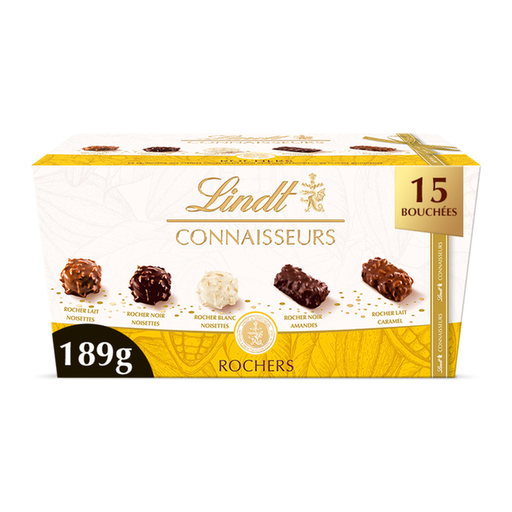 Image unavailable
This box contains an assortment of chocolate clusters, making it a tempting option when sharing coffee. It weighs 189 g; check the packaging for the number of pieces, allergens and best-before date before serving.
No. According to Santé publique France, displaying the Nutri-Score is voluntary in France. Whether it’s shown or not, read the nutritional information, ingredients and allergens on the box you’re thinking of buying.
Check the ingredient list, any highlighted allergens, the net weight and the best-before date. The French Ministry of the Economy points out that allergenic ingredients must be listed and highlighted on the relevant food products. This is particularly important before serving an assortment to a group.
No. The French Ministry of the Economy describes the so-called ‘soda tax’ as applying to sugary drinks, not boxes of chocolates. When choosing a box, focus on its size, ingredients and labelling.