For an afternoon tea for older people, check the ingredients before choosing a box, paying particular attention to sugars, allergens and any alcohol: premium packaging won’t tell you about these. An assortment is suitable for sharing if every variety is right for your guests; a smaller box may be easier to serve. Nutri-Score can help you compare products when it is shown, but Santé publique France explains that displaying it is voluntary.
Who is this choice for?
People who pay attention to nutritional information
If sugar content is a factor in your choice, compare the nutritional values per 100 g rather than relying on the size or presentation of the box. The DGCCRF states that this comparison basis is included in the nutrition declaration for the relevant food products.
People organising an afternoon tea for a group
If certain ingredients or alcohol need to be avoided, check the varieties before serving an assortment. The DGCCRF reminds consumers that allergens must be clearly emphasised in the ingredients list.
People looking for a box to share
A box designed for sharing could be just the thing for the occasion. Also check its weight, the varieties it contains and how you’ll serve the chocolates to your guests.
What should you check before buying?
For this afternoon tea, start by checking the ingredients of the exact box you’re considering. Then choose a size that suits the number of guests and how you plan to serve it.
| Criterion |
What to check |
Who it’s for |
| Nutritional content |
Sugars, saturated fatty acids and energy per 100 g; Nutri-Score, if shown. |
If I need to take dietary guidance into account, I want to compare boxes without confusing their weight with their ingredients. Around 40% of consumers are said to make this their main priority. |
| Ingredients and alcohol |
Ingredients in each variety, clearly highlighted allergens and any liqueur. |
If a guest needs to avoid an ingredient or alcohol, I need to be able to identify which chocolates I can offer them. Around 30% of consumers are said to make ingredients their main concern. |
| Size for sharing |
Net weight and number of pieces, if stated; varieties and how the chocolates are presented. |
When serving several people, I look for an amount and variety that suit afternoon tea, without too many recipes that are hard to tell apart. Around 20% of consumers are said to put size first. |
| Presentation and purchase |
Appearance of the box, availability when you buy, and delivery or collection options. |
If I’m bringing a box as a gift, its presentation and how easy it is to arrange the purchase matter to me. This is said to be the main need for around 10% of consumers. |
What should you avoid?
-
Rejecting a box because it doesn’t show a Nutri-Score
In France, displaying the Nutri-Score is voluntary, as Santé publique France explains. Its absence alone tells you nothing about the chocolate’s ingredients.
If it appears on two comparable products, use it as an extra point of information. Also check their nutritional values and ingredients.
-
Assuming the “soda tax” applies to solid chocolates
The French levy cited by Légifrance applies to drinks and liquid preparations for drinks, not to a box of solid chocolates. It therefore can’t help you choose between two boxes.
To compare their sugar content, check the relevant line in the nutritional information per 100 g.
-
Assuming every chocolate in an assortment is suitable
Recipes can vary within the same box. Lindt’s LINDOR Prestige box, for example, contains milk, soya, hazelnuts and pistachios; Ferrero describes Mon Chéri as a liqueur and cherry recipe.
Check the ingredients and allergens for the exact box, variety by variety if necessary. Don’t assume a chocolate is alcohol-free based on its colour.
-
Overlooking storage before afternoon tea
If you buy a box in advance or have it delivered, make sure you can store it according to the product’s instructions.
Check the delivery conditions before ordering online, then check the best-before date and storage instructions when it arrives.
Brands and ranges to know
These examples show different types of box to compare. Always check the ingredients for the specific product you’re buying.
Lindt
Lindt offers LINDOR boxes of filled chocolates, designed for gifting or sharing.
- Lindt’s 445 g Prestige Box listing features an assortment of milk, dark and white chocolates, along with nutritional information.
- This product lists milk, soya, hazelnuts and pistachios among its ingredients. Check the composition before serving it to a group.
Ferrero
Ferrero presents Ferrero Rocher as a sharing treat and also offers Ferrero Collection assortments.
- Ferrero Collection brings together several specialities, making it a good choice if you’re looking for variety.
- Ingredients vary between specialities; another Ferrero product, Mon Chéri, contains liqueur. Check the recipes in the box you choose.
Carrefour Sélection
This range includes a 160 g box of assorted dark chocolates.
- The 160 g size gives you a useful point of comparison with larger boxes.
- To decide whether this product is suitable for your guests, check its ingredients, allergens and nutritional values on the packaging.
Two assortments available on Joybuy
These two boxes bring together a selection of sweets or chocolates for sharing at afternoon tea. Compare their sizes and recipes, and check the label of the exact product you order.
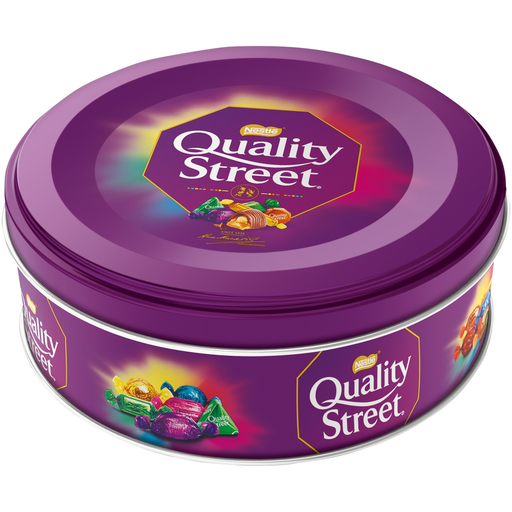 Image unavailable
Quality Street assorted chocolates and toffees, 400 g box
Consider this assorted box if you’d like to offer both chocolates and toffees at afternoon tea.
The product listing mentions milk and hazelnuts, with a possible presence of other nuts. If a guest needs to avoid these ingredients, check the label on the box you receive.
View on Joybuy
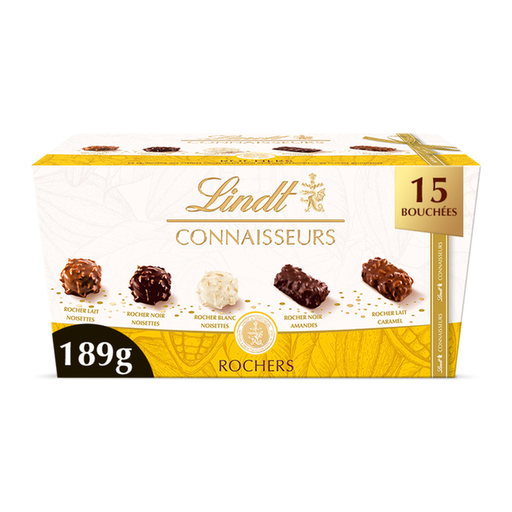 Image unavailable
Lindt Connoisseurs assorted rochers, 189 g gift box
This gift box of assorted rochers is a good option if you’re looking for chocolates to give as a gift or share in a smaller size.
The product listing mentions hazelnuts, milk, almonds, soya and barley, as well as a possible presence of wheat, eggs and other nuts. Check the label on the box you receive before serving it.
View on Joybuy
Frequently asked questions
Does the French “soda tax” apply to boxes of chocolates?
No. The levy described by Légifrance applies to drinks and liquid preparations for drinks, not to boxes of solid chocolates. You can still check the product’s nutritional information to find out its sugar content.
Is Nutri-Score compulsory on a box of chocolates in France?
No. Santé publique France says that displaying it is voluntary. The DGCCRF explains that nutrition declarations are compulsory for most pre-packed foods, allowing you to compare their values per 100 g.
How should you choose if a guest has dietary guidance related to diabetes?
Neither the words “dark chocolate” nor the presentation of the box are enough to help you make this choice. Assurance Maladie says that a person’s diet should be adapted to their individual needs. Check the nutritional values and take into account the advice their healthcare professional has given them.
How can you identify allergens or alcohol in an assortment?
Read the ingredients list for the exact box and, if the chocolates differ, check the list for each variety. The DGCCRF says allergens must be clearly emphasised. Check separately for liqueur if alcohol needs to be avoided.


