For a coffee break treat with a genuine outer layer of chocolate, choose a biscuit or wafer whose product description confirms that it is coated. A biscuit that is simply filled does not meet the same criteria. If you prefer a chocolate centre or several layers, compare the relevant recipes, then check the ingredients, allergens and nutritional information per 100 g for the product you choose.
Who might these biscuits suit?
Fans of crunchy wafers
If the outer layer matters as much as the biscuit itself, look for a wafer that is explicitly described as coated. The product description and ingredients list will help you distinguish it from a filled or simply topped biscuit.
Label-conscious shoppers
To compare two similar recipes, check their nutritional information per 100 g and their ingredients. Nutri-Score can also help when it appears on the packaging.
People who need to check allergens
Check the allergens for the specific product and pack you’re buying, rather than relying on the broad category of ‘chocolate biscuits’. Product information from St Michel, Carrefour Extra and Auchan shows that ingredients and ‘may contain’ warnings vary between products.
What should you look for before choosing?
For your morning coffee break, start by deciding whether you want an outer coating, a chocolate centre or a recipe that combines both. You can then use the label to compare products of the same type.
Coated wafer
Choose this if: you’re mainly looking for a crunchy wafer with chocolate on the outside.
Check: what the coating is made from and the nutritional information for the specific product.
Shortbread biscuit with a chocolate centre
Choose this if: you prefer a shortbread base with chocolate in the centre, as in the Chocorico described by St Michel.
Worth noting: a chocolate centre isn’t a substitute for an outer coating if that’s your main priority.
Filled and coated biscuit
Choose this if: you’d like biscuit, filling and an outer layer all in one recipe.
Check: the outer layer may be described as chocolate-flavoured icing rather than chocolate.
| Criteria |
What to check |
Who is it for? |
| Nutritional information |
Compare the sugar and fat content per 100 g in particular. Use Nutri-Score as an additional guide if it’s shown. |
If I like two biscuits equally, I want to compare their nutritional information on the same basis. Around 31% of consumers put this comparison first. |
| Allergens |
Read the allergens highlighted in the ingredients and check for any ‘may contain’ warnings on the pack you’ve chosen. |
If I need to avoid an ingredient, the exact recipe matters more than how the biscuit looks. Around 31% of consumers prioritise this check. |
| Texture and coating |
Check the product description and ingredients to distinguish chocolate, filling, topping and chocolate-flavoured icing. |
I’m looking for a crunchy wafer with a chocolate layer on the outside, not just a chocolate centre. This is the top priority for around 23% of consumers. |
| Pack size and storage |
Check the net weight, packaging and storage instructions for the product. |
For a quick break or a treat to take with me, I want packaging that suits how I’ll use it. Around 15% of consumers prioritise this practical aspect. |
What should you avoid confusing?
-
Assuming Nutri-Score is compulsory
In France, Santé publique France explains that displaying Nutri-Score is voluntary. So its absence alone doesn’t tell you how nutritious the recipe is or whether the biscuit’s labelling is compliant.
Read the nutritional information per 100 g, the ingredients and the allergens. Use the logo as an additional guide when it’s shown.
-
Confusing ‘filled’, ‘topped’ and ‘coated’
These terms describe different structures. Carrefour Extra’s product information describes a wafer containing 40% chocolate, while Auchan’s information for a filled and coated Oreo biscuit describes an outer layer of milk chocolate-flavoured icing.
If you’re looking for chocolate around the biscuit, check the product description and the ingredients to see what the outer layer is made from.
-
Judging allergens by the product name alone
A chocolate biscuit may contain several allergenic ingredients. Product information from St Michel, Carrefour Extra and Auchan also shows that ‘may contain’ warnings vary by product.
Check the label on the pack you’re actually buying, even if you’re already familiar with another pack size from the same brand.
Brands and recipes to explore
Carrefour Extra
Carrefour describes a 150 g pack of chocolate-coated wafers.
- The product information states that this product contains 40% chocolate and lists its ingredients.
- These details apply to this Carrefour Extra wafer, not to every biscuit from the brand.
P'tit Deli / Marque Repère
The E.Leclerc range includes milk chocolate-coated fingers, topped biscuits and biscuits with a chocolate tablet.
- These product descriptions make it easier to spot the type of biscuit you’re looking for.
- Check the ingredients and allergens for each product: the different styles aren’t interchangeable.
Auchan
One product described by Auchan combines a crunchy biscuit, cocoa-flavoured cream and milk chocolate drops.
- It may appeal if you’re looking for a biscuit with several chocolate elements.
- Its topping shouldn’t be confused with a chocolate coating on a wafer. Check the allergens for this product too.
St Michel
The Chocorico from St Michel is a shortbread biscuit with a milk chocolate centre.
- This style is worth considering if you prefer a shortbread biscuit to an outer coating.
- A chocolate centre doesn’t make it a fully coated biscuit. The product information lists gluten, milk and soya.
BN
BN offers chocolate-filled biscuits, among other products. These have a different structure from the coated biscuit featured here.
- A filled biscuit could suit you if you prefer chocolate in the centre.
- If an outer layer is essential, check that the specific product is described as ‘coated’.
LU
When choosing a biscuit from this brand, start with the specific product rather than the LU name alone.
- The product description can help you find a biscuit covered in chocolate rather than one that’s simply filled.
- Check the recipe and ingredients on the packaging for the variety you choose.
Biscuits and wafers available on Joybuy
These products suit different kinds of coffee break: coated wafers, chocolate-covered biscuits and bars. The strawberry variety is better suited to anyone looking for that flavour than to those after a classic chocolate taste.
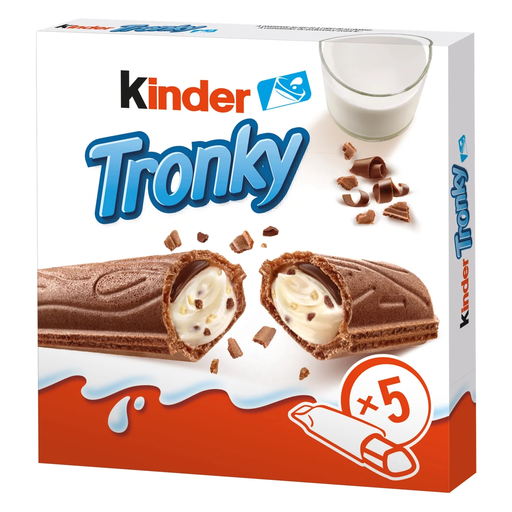 Image unavailable
Kinder Tronky milk chocolate wafers, 90 g
Worth a look if you’re after a chocolatey wafer for a short break. If you need to avoid certain allergens, check the packaging for wheat, milk, soya and hazelnuts in particular.
View on Joybuy
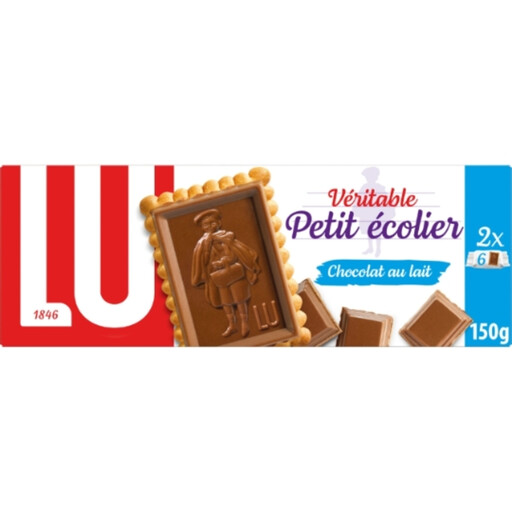 Image unavailable
LU Petit Écolier biscuits covered in milk chocolate, 150 g
Consider these if you prefer a buttery biscuit covered in milk chocolate with your coffee. To compare them with a wafer, look at the biscuit’s texture, then check the nutritional information per 100 g and the allergens on the pack.
View on Joybuy
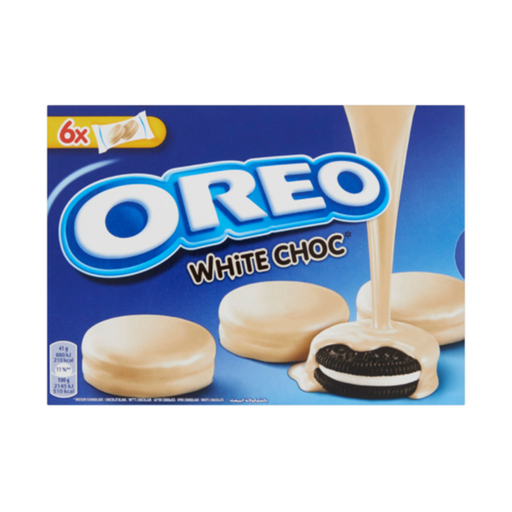 Image unavailable
Oreo biscuits coated in white chocolate, 246 g
This pack could be a good one to share if you’re after a cocoa biscuit covered in white chocolate. Check the ingredients and allergens for this variety, along with its nutritional information per 100 g.
View on Joybuy
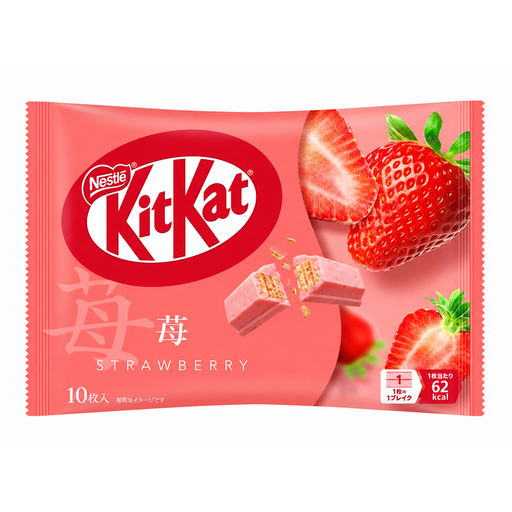 Image unavailable
KitKat strawberry flavour, 10 bars
The bar format could suit anyone taking their coffee break on the go, provided you’re looking for the strawberry-flavoured variety. Before comparing it with classic chocolate biscuits, check the packaging for the type of coating, allergens and nutritional information per 100 g.
View on Joybuy
Frequently asked questions
Is Nutri-Score compulsory on chocolate-coated biscuits?
No. Santé publique France says that producers display it voluntarily. For most prepacked foods, however, a nutrition declaration is required under European labelling rules. If the logo isn’t shown, you’ll still need to check the nutritional information.
How can you tell if a biscuit is genuinely coated in chocolate?
Read the product description and ingredients to identify the outer layer. Carrefour describes an Extra wafer containing 40% chocolate; by contrast, an Auchan product listing describes a filled Oreo biscuit with milk chocolate-flavoured icing. The Chocorico from St Michel has a chocolate centre, but isn’t a coated biscuit.
What should I check if I need to avoid an allergen?
Check the allergens highlighted in the ingredients for the pack you’ve chosen, as well as any ‘may contain’ warnings. Products from St Michel, Carrefour and Auchan have different ingredients, so don’t assume the label for one biscuit applies to another.
How should I store chocolate biscuits between coffee breaks?
Follow the storage instructions on the specific pack. Information for St Michel and Joybuy products recommends keeping them in a dry place. Also check any advice about heat or humidity, depending on the coating and packaging you’ve chosen.


