Travellers who want an easy-to-eat snack
If you can’t leave an open pack on the table, check how many biscuits are in each packet and how easy it’ll be to store the rest. A small pack isn’t necessarily divided into individual portions.


For a meal or snack on the train, first choose the type of chocolate biscuit you’d like, then look for packaging that’s easy to carry and store. Check the storage instructions and allergens on the exact pack you’re buying. To compare recipes, look at the nutritional information and the Nutri-Score, if shown.
If you can’t leave an open pack on the table, check how many biscuits are in each packet and how easy it’ll be to store the rest. A small pack isn’t necessarily divided into individual portions.
To compare similar chocolate biscuits, check the nutritional values per 100 g and the amount you plan to take with you. Santé publique France explains that displaying the Nutri-Score is voluntary, so if it’s not shown, you should still check the other nutritional information.
If you need to avoid an ingredient, check the exact product rather than relying on the brand name. Also read the storage instructions before putting chocolate biscuits in a bag that could get warm.
When choosing chocolate biscuits to eat on the train, consider the recipe, ingredients, packaging and shape of the biscuit separately.
| Criteria | What to check | Who it matters to |
|---|---|---|
| Nutritional information | Compare the sugars and saturated fat per 100 g, then consider the portion you plan to eat. Check the Nutri-Score if it’s shown on the products you’re comparing. | If I’m choosing between several chocolate recipes, appearance alone isn’t enough to help me decide. Around 31% of consumers would put this nutritional comparison first. |
| Ingredients and allergens | Read the allergens highlighted on the exact pack, as well as any relevant ‘may contain’ warnings. | If I need to avoid an ingredient, checking another product from the same brand isn’t a substitute for reading the label. Around 25% of consumers would put the ingredients first. |
| Transport and storage | Check whether the biscuits come in individual packets and look for any instructions about heat or humidity. | On the train, I’d rather open only the amount I’m going to eat and be able to store the rest easily. Convenience would be the top priority for around 25% of consumers. |
| Biscuit shape | Check the product description to see whether it’s coated, topped, filled or made up of several layers. | If I’m looking for chocolate around the outside of the biscuit, a chocolate filling won’t quite satisfy the same craving. Around 19% of consumers would choose first by shape and texture. |
Santé publique France says that displaying this logo is voluntary. A pack without a Nutri-Score isn’t non-compliant for that reason alone; you should still check the nutritional information.
If the logo is shown, compare products in the same category. Also check the nutritional values per 100 g and the amount you plan to eat.
These terms describe different things: chocolate may cover the biscuit, coat part of it or be inside the filling. The picture on the pack doesn’t always make the difference clear.
Read the product name and description. If you want a chocolate layer on the outside, check that the biscuit is described as coated or topped.
Some chocolate biscuit product listings say to keep the biscuits away from heat or humidity. This matters if the pack will be in your bag for a long time.
Check the instructions for the product you’ve chosen and put it in a part of your bag where it’s less likely to get warm or crushed.
Ingredients vary between recipes, even when the packs look similar. France’s Directorate-General for Competition Policy, Consumer Affairs and Fraud Control explains that allergens must be listed and highlighted on the labels of relevant food products.
Read the ingredients list on the exact product you’re buying, including any ‘may contain’ warnings if they’re relevant to you.
Among LU’s products, Choco’Croc Petits Cœurs is a good match if you’re looking for a biscuit coated in milk chocolate.
The range includes chocolate biscuits in different shapes. The Galette gourmande chocolat noir has a chocolate centre, rather than being completely coated in chocolate.
BN Choco Star is a good choice if you’re looking for a topped rather than filled biscuit: its product name describes a shortbread biscuit topped with milk chocolate.
Chocolate biscuits sold under Carrefour’s own brands include a range of recipes, including filled and coated varieties.
E.Leclerc’s chocolate biscuit range includes chocolate-coated biscuit sticks sold under the Marque Repère brand.
Auchan sells, among other things, chocolate-coated filled wafers, which are different from a simple chocolate-coated biscuit.
This selection includes chocolate biscuit sticks, milk chocolate biscuits and a biscuit combining strawberry and chocolate. For your train journey, choose the type you’d like, then check the storage instructions and information on the exact pack.
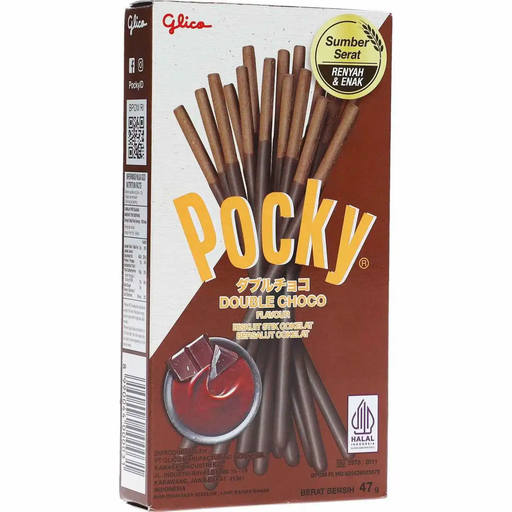 Image unavailable
A 47 g pack of biscuit sticks to consider if you want to take a small amount with you. Store in a cool, dry place; if you’re saving some for later, close the pack after opening.
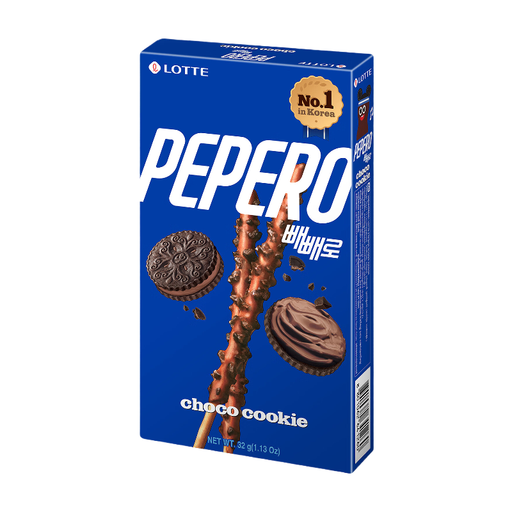 Image unavailable
The 32 g pack is handy if you want to take a set amount of biscuit sticks with you. The product listing says to keep it chilled, between 12 and 15 °C, and to eat the biscuits as soon as the pack is opened. Check whether these conditions will work for your journey.
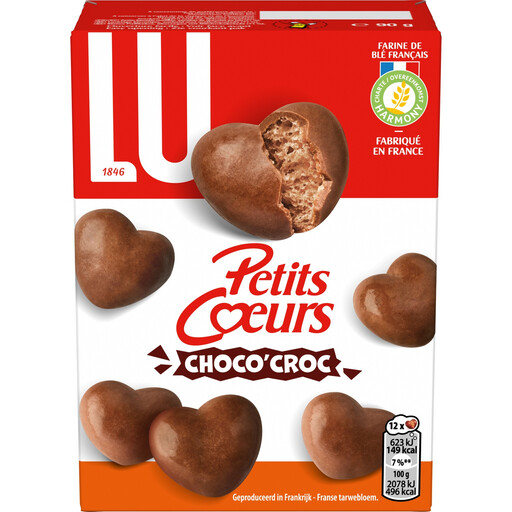 Image unavailable
This 90 g product is a good match if you’re looking for a biscuit coated in milk chocolate. To take it on the train, keep the pack away from heat and humidity. Check the ingredients if wheat, milk or soya are a concern for you.
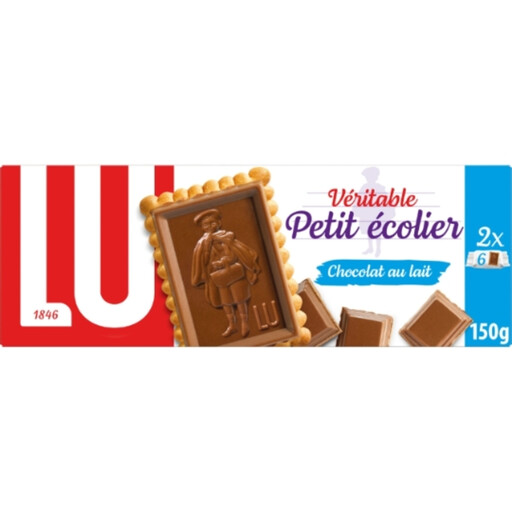 Image unavailable
Consider these if you’d prefer a biscuit covered in milk chocolate rather than one with a filling. The pack weighs 150 g, so decide how much to take with you and keep it away from heat during your journey.
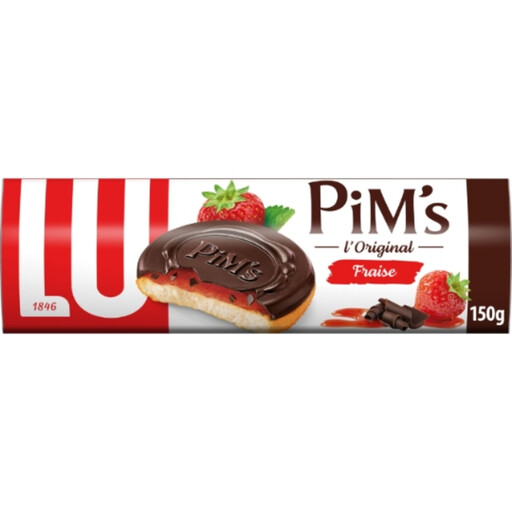 Image unavailable
This 150 g recipe combines strawberry and chocolate. Choose it for that combination, rather than if you’re looking for a simple chocolate-coated biscuit. Keep the pack away from humidity and direct light, and check the ingredients list for this particular product.
No. Santé publique France explains that displaying the Nutri-Score is voluntary and that it complements the nutritional information. If it appears on the packs, use it to compare biscuits in the same category. If not, check their nutritional values and how much you plan to eat.
Check the information for the exact product. The biscuits mentioned here may include wheat, milk or soya, as well as other ingredients or traces depending on the recipe. France’s Directorate-General for Competition Policy, Consumer Affairs and Fraud Control explains that allergens must be listed and highlighted on the labels of relevant food products.
No. It changes the packaging, not the recipe. For a journey, it can make it easier to separate portions, but you should still compare the nutritional values and the number of biscuits you plan to eat.
Follow the instructions on the pack and, where advised, keep it away from heat or humidity. If you’ve chosen biscuits that could get crushed in your bag, put them in a protected compartment.