Anyone setting up a stall
If you’re handing out biscuits individually, look at individually wrapped and pocket-sized formats. Check how many sealed portions each pack actually contains.


If you’re handing out individual portions at a local market, choose a pack that clearly states how many bags or individually wrapped units it contains. A resealable pack may be a better choice if you don’t need to hand out sealed portions. In either case, check the allergens, nutrition information and best-before date on the product you choose.
If you’re handing out biscuits individually, look at individually wrapped and pocket-sized formats. Check how many sealed portions each pack actually contains.
To compare similar products, look at the sugar and fat content per 100 g. The Nutri-Score can also be useful when it appears on the packaging, as Public Health France explains.
Before choosing biscuits to hand out, check the highlighted ingredients and any ‘may contain’ warnings on the specific product. Ingredients can vary between products and pack sizes.
For a local market, first decide whether each portion needs to stay sealed until it’s handed out. Then compare the labels of formats that meet this need.
| Criterion | What to check | Who it matters to |
|---|---|---|
| Individual portions | Whether the pack states that the biscuits are individually wrapped, how many bags it contains and how many biscuits are in each bag. | If I’m handing out a portion without opening the others, I need the units to be individually wrapped already. Around 40% of consumers would put this need first. |
| Nutrition information | Sugar, fat and salt per 100 g; Nutri-Score, if shown. | If I’m comparing several biscuits for the same occasion, I want to be able to compare their values on the same basis. This would be the main concern for around 30% of consumers. |
| Allergens and ingredients | Ingredients list, highlighted allergens and any ‘may contain’ warnings. | Before offering biscuits to other people, I need to identify any ingredients to avoid in the exact product I’ve chosen. Around 20% of consumers would prioritise this check. |
| Quantity and storage | Net quantity, type of closure, best-before date and storage instructions. | If I won’t be handing out all the biscuits straight away, I want to choose a quantity and pack that suit how quickly they’ll be used. This would be the main criterion for around 10% of consumers. |
The levy described by the French Ministry of the Economy applies to sugary drinks, not chocolate biscuits. It also tells you nothing about their sugar content.
To compare biscuits, check the ‘sugars’ line in the nutrition information per 100 g.
According to the DGCCRF and Public Health France, displaying it is voluntary. Its presence doesn’t replace checking the nutrition declaration, ingredients and allergens.
Compare the nutrition information for similar products, even if some don’t display a Nutri-Score.
Separate packaging doesn’t change the biscuit’s ingredients. Auchan product listings flag allergens and, depending on the product, possible traces of other ingredients.
Check the information on the batch you’ve actually bought before handing any out.
A pack marked ‘10 × 2 biscuits’ doesn’t mean there are twenty individually sealed bags.
Check both the number of inner packs and how many biscuits each one contains.
The brand offers chocolate biscuits including Prince, Pépito and Petit Écolier, in a range of pack formats.
Auchan lists a 175 g BN mini chocolate-flavour product marked ‘5 × 5 biscuits’.
Milka offers a range of biscuits and cakes centred around chocolate.
Carrefour’s range includes chocolate-filled or chocolate-coated biscuits from this brand.
Some Auchan listings for chocolate biscuits specifically mention individual bags.
These chocolate biscuits and wafers come in pocket-sized formats or are described as individually wrapped. If you’re preparing a stall, check the inner packaging and storage information for the specific variant you order.
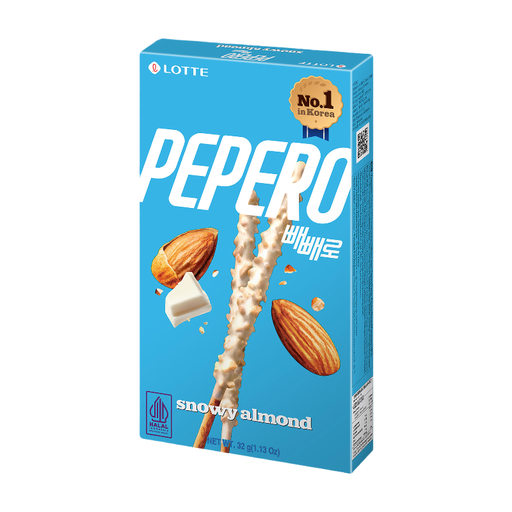 Image unavailable
These biscuit sticks are worth considering if you’re looking for a small chocolate treat to hand out at a stall. Before planning portions, check how many units this 32 g variant contains and how they’re packaged inside.
The product listing highlights wheat, milk and soya among the allergens. Check the packaging on the batch you buy.
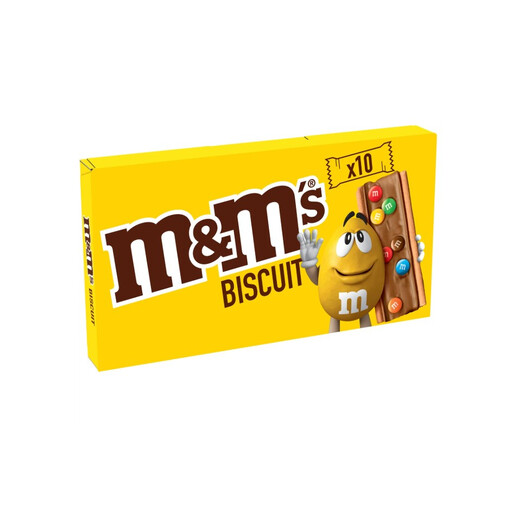 Image unavailable
The 10-unit pocket pack lets you plan separate portions. Check the packaging to confirm that each unit is individually wrapped.
The product listing says it may contain traces of peanuts and should be stored between 13 and 22 °C, away from heat. Check the allergens and make sure these conditions are suitable for your stall.
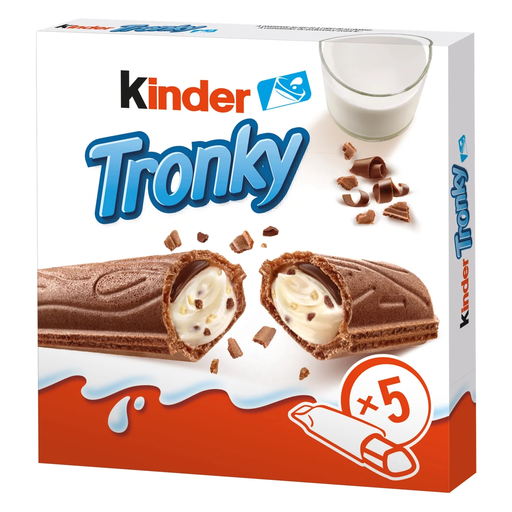 Image unavailable
These chocolate wafers may suit you if you want to count out portions before the market. The product listing says there are five pieces. Check the pack to see whether they’re individually wrapped and how they should be stored.
The product listing highlights wheat, milk, soya and hazelnuts among the allergens. Check the label on the batch you buy before handing them out.
No. The levy described by the French Ministry of the Economy applies to sugary drinks, not biscuits. To compare the sugar content of biscuits, check their nutrition information per 100 g.
No. According to the DGCCRF and Public Health France, displaying it is voluntary. If it’s not shown, use the nutrition declaration and ingredients list to compare similar products.
Check the chosen batch for the number of sealed portions, net quantity, ingredients, allergens and the date shown. The DGCCRF reminds shoppers that mandatory information on pre-packed food must be legible. Don’t assume another variant will carry the same information.
No. The DGCCRF distinguishes between a best-before date, which relates to how long a product keeps its quality, and a use-by date, which applies to highly perishable food. Check the exact wording and make sure the packaging is intact if you’re buying in advance.