For a secondary-school pupil’s snack, choose between a chocolate-coated biscuit, a chocolate-coated wafer or a filled biscuit with a chocolate coating, depending on which allergens need to be avoided, how much they’ll take with them and the texture they prefer. Check the exact product on the packet: the ingredients list, any ‘may contain’ warnings and the nutritional values per 100 g matter more to this decision than whether it displays a Nutri-Score, which is optional in France.
Who is this guide for?
Parents managing a declared allergen
The priority is to check the ingredients and any ‘may contain’ warnings for the exact biscuit your child will take with them. According to the French Ministry of National Education, an individualised support plan (PAI) can be put in place for a pupil with a food allergy. Any adjustments set out in the plan should guide your choice of snack.
Parents keeping an eye on portion size
The weight of the pack alone doesn’t tell you how much will go into the snack box. The number of biscuits and, where shown, the nutritional values per portion can help you prepare the right amount; the values per 100 g let you compare products on a like-for-like basis.
Secondary-school pupils with a preferred texture
A chocolate-coated biscuit, a chocolate-coated wafer and a filled biscuit with a chocolate coating all have a different texture. The product description helps you choose a type the pupil will enjoy, but it doesn’t tell you about allergens or nutritional values.
What should you check?
When preparing a snack box for secondary school, start with the pupil’s dietary requirements, then consider the amount you plan to pack, how it will be carried and the type of biscuit.
| Criteria |
What to check |
Who it matters to |
| Allergens and school arrangements |
Read the ingredients and any ‘may contain’ warnings for the exact product; take account of any adjustments in place for the pupil. |
If an allergen needs to be avoided, you need to be able to choose a snack that follows the guidance for the pupil. Around 36% of consumers in this situation would prioritise this. |
| Quantity and nutritional information |
Compare sugars, fat, saturated fatty acids and salt per 100 g, then consider how much you’ll pack. |
If you’re preparing a specific amount for a snack, the number of biscuits matters just as much as the values on the packet. Around 29% of consumers in this situation would prioritise portion size and nutritional comparisons. |
| Transport and storage |
Follow the storage instructions and choose a container that protects the biscuits from being crushed. |
A snack carried with school things should arrive in a condition that makes it appealing to eat. Around 21% of consumers in this situation would put transport and storage first. |
| Type and texture |
Use the product description to tell the difference between a chocolate-coated biscuit, a chocolate-coated wafer and a filled biscuit with a chocolate coating. |
If the pupil prefers a wafer or a filled biscuit, look for that type rather than relying on a chocolatey appearance. Around 14% of consumers in this situation would make this their main criterion. |
Mistakes to avoid
-
Assuming two chocolate-coated biscuits contain the same allergens
Product listings from Carrefour France, Auchan France and other retailers describe different recipes. As well as wheat, milk or soya, some products list other ingredients or possible traces.
Check the ingredients and ‘may contain’ warnings for every product you buy, even if you already know the brand. If a pupil has a PAI, follow the guidance specific to them.
-
Assuming that no Nutri-Score means there’s no nutritional information
In France, the Nutri-Score logo is optional, as the Ministry for the Economy explains. The DGCCRF states that prepacked foods must carry a nutrition declaration in accordance with the applicable rules.
Compare the values per 100 g on the packaging. If a Nutri-Score is shown, use it as an additional guide, but don’t rely on it alone to decide whether a biscuit is suitable for the pupil.
-
Applying the ‘soda tax’ to biscuits
The French Official Public Finances Bulletin sets out the relevant levy in its scale for non-alcoholic drinks, not as a factor for choosing chocolate-coated biscuits.
To compare these biscuits, check their ingredients, allergens, quantity and nutritional information.
-
Forgetting about transport
Storage instructions for some chocolate-coated biscuits say to keep them away from heat and moisture. A biscuit packed alongside books and a water bottle could also get crushed.
Follow the instructions on the packet and use a separate compartment or protective container for the amount you’re taking.
Brands to know when comparing types
LU
LU’s range includes Choco’Croc Petits Cœurs, a milk chocolate-coated biscuit sold in a 90 g box.
- Carrefour France’s product listing lets you check the ingredients for this product.
- Wheat and milk are listed as ingredients: check the full list against any foods the pupil needs to avoid.
Milka
Carrefour France describes Choco Suprême as a wafer coated in milk chocolate.
- The product description clearly distinguishes it from a standard chocolate-coated biscuit.
- The listing warns that it may contain egg and nuts: also check the ingredients and warnings on the packet you buy.
Carrefour Extra
The brand offers a chocolate-coated wafer product.
- Carrefour France’s listing states that this product contains 40% chocolate.
- Its ingredients include wheat, milk, soya and egg, so it isn’t suitable if any of these need to be avoided.
P’TIT DELI (Marque Repère E.Leclerc)
The range includes biscuit sticks coated in milk chocolate.
- For the 150 g product listed by E.Leclerc, the product details show 34,2 g of sugars per 100 g and a Nutri-Score of E.
- These details apply to this specific product: they don’t describe the whole brand or the amount the pupil will take with them.
Auchan
Auchan offers biscuit sticks coated in milk chocolate, with per-portion information for the product reviewed.
- The stated portion can help you relate the values shown to the amount you’re preparing for a snack.
- The listing warns of possible traces of nuts, sesame and mustard; check these warnings against the pupil’s needs.
Biscuits available on Joybuy
These products include chocolate-coated biscuit sticks, milk chocolate biscuits and a chocolate wafer. When preparing a snack box, compare each product and the amount you plan to pack rather than assuming one type will suit every pupil.
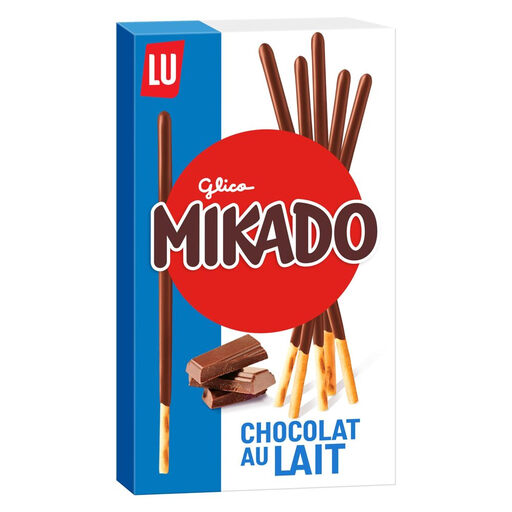 Image unavailable
Mikado Pocket, biscuit sticks coated in milk chocolate, 39 g
The 39 g pack may suit you if you’re looking for a small pack of biscuit sticks to take along. Check the packaging for ingredients, allergens and how many biscuits you plan to put in the snack box.
View on Joybuy
 Image unavailable
Nestle KitKat Strawberry Short Cake, 9 pieces, 104.4 g
This option is for anyone looking for a chocolate wafer texture. Before dividing up the snack, check the number of pieces on the packet, along with the allergens and nutritional values for the version you receive.
View on Joybuy
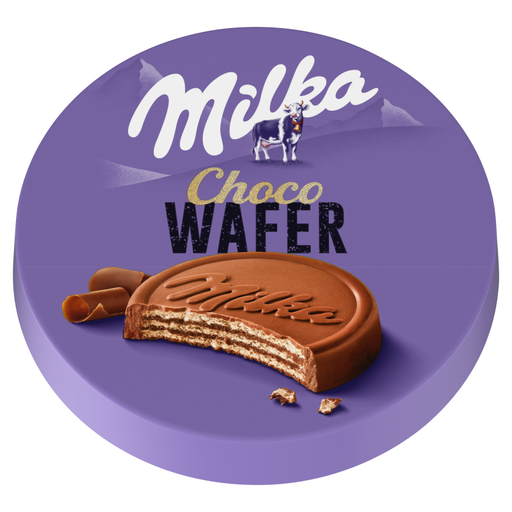 Image unavailable
Milka Choco Supreme, 30 g
This 30 g pack may appeal if you’re preparing a set amount for a snack. Joybuy France’s product listing names wheat, milk and soya, and warns that it may contain egg and nuts. Check the packet’s warnings if the pupil needs to avoid certain foods.
View on Joybuy
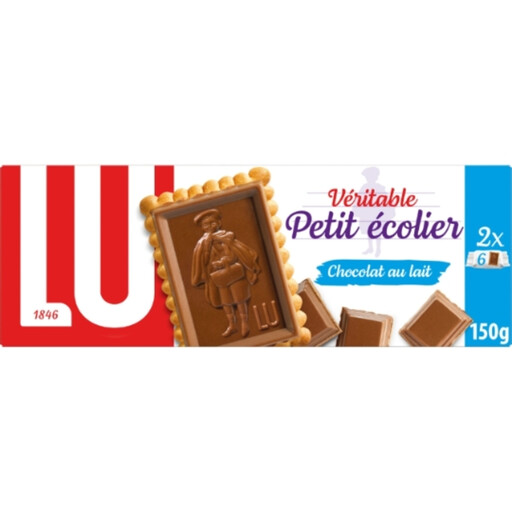 Image unavailable
LU Petit Écolier, butter biscuits covered in milk chocolate, 150 g
This 150 g pack may suit someone who prefers a butter biscuit covered in milk chocolate. The pack weight isn’t the same as the snack portion: check how many biscuits you plan to take and read the allergen information on the packaging.
View on Joybuy
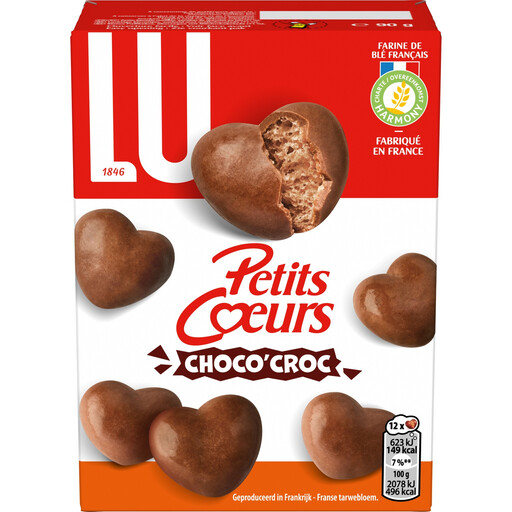 Image unavailable
LU Petit Cœur Choco’Croc, coated biscuits, 90 g
These milk chocolate-coated biscuits may suit someone who prefers this type to a wafer. Joybuy France’s product listing says to store them in a cool, dry place, away from heat and moisture. Also check the allergens and the amount you plan to pack for a snack.
View on Joybuy
Frequently asked questions
Is Nutri-Score compulsory on chocolate biscuits in France?
No. The French Ministry for the Economy says that displaying the Nutri-Score logo is optional. Nutrition declarations for prepacked foods are a separate requirement, as specified by the DGCCRF. Compare the values per 100 g even if the logo isn’t shown.
Does the ‘soda tax’ apply to chocolate-coated biscuits?
No. The scale published by the French Official Public Finances Bulletin covers levies on non-alcoholic drinks, not a tax to use when choosing a chocolate-coated biscuit. For a snack, check the product’s ingredients and nutritional information instead.
How should you choose if a secondary-school pupil has a food allergy?
Check the ingredients and any ‘may contain’ warnings on the packet for the exact product. Don’t assume it’s suitable based on the brand or type of biscuit. The French Ministry of National Education says a PAI can set out adjustments for a pupil with an allergy. Speak to the school and follow the guidance specific to that pupil.
How should you pack a chocolate-coated biscuit in a snack box?
First, follow the storage instructions on the packaging. Some products need to be kept away from heat and moisture; a separate compartment or protective container can also help prevent the biscuit from being crushed in transit.


