For putting together a varied platter
If you’re serving several little treats with coffee, check the size of the biscuits and how many are in each pack. A format you can serve one biscuit at a time makes it easier to arrange the platter.


For a platter featuring a selection of small treats, a small biscuit topped with chocolate or served alongside a chocolate square leaves room for other bites. If the biscuit is to be the main chocolate treat, consider fully coated biscuits, filled-and-coated biscuits or chocolate-coated wafers instead. Before choosing, compare the nutritional information per 100 g, check portion sizes and allergens, and use the Nutri-Score only when it appears on the packaging.
If you’re serving several little treats with coffee, check the size of the biscuits and how many are in each pack. A format you can serve one biscuit at a time makes it easier to arrange the platter.
A fully coated biscuit, a filled-and-coated option and a chocolate-coated wafer each offer a different bite. Choose based on how much chocolate you want and the texture you’re looking for.
Check the ingredients and allergens on the pack you’re buying, rather than assuming it has the same recipe as another product from the brand. You can still compare the nutritional information even if there’s no Nutri-Score.
Start by thinking about the role you want the biscuit to play on the platter, then compare the shortlisted formats with their labels and the number of guests.
| What to consider | What to check | Who is it for? |
|---|---|---|
| Space on the platter | Whether it’s described as “topped”, “coated” or “filled and coated”, followed by the size of each biscuit. | If I’m serving several little treats, I want the biscuit to have its place without taking over the whole platter. Around 31% of consumers would make this balance their priority. |
| Nutritional information | Compare energy, fat, saturates, sugars and salt per 100 g; check the Nutri-Score if it’s shown. | When comparing two recipes, I need the same basis for comparison rather than relying on the front of the pack alone. For around 31% of consumers, this would be their top criterion. |
| Texture and presentation | The product type — shortbread-style biscuit, sponge or wafer — and whether it has a filling. | If there’s another soft, melt-in-the-mouth treat on the platter, I might look for the contrast of a wafer or prefer a soft sponge. Texture would come first for around 23% of consumers. |
| Ingredients and allergens | The ingredients list, declared allergens and any dietary information needed by the guest in question. | Before serving someone with a dietary requirement, I need to check the exact product, even if a similar one is suitable. This check would be the priority for around 15% of consumers. |
For the relevant prepacked foods, the DGCCRF says that nutrition declarations are mandatory, subject to the exceptions set out in European regulations. The Ministry of the Economy explains that displaying the Nutri-Score is still optional. Its absence alone says nothing about whether the biscuit complies with the rules.
In France, this logo is optional, as the Ministry of the Economy explains. Its absence is no substitute for checking the ingredients or nutritional information.
Compare products on the same per-100 g basis and take the portion you plan to serve into account.
These descriptions refer to different types of biscuit. A filling or a full coating changes the biscuit’s role on a small platter, but doesn’t tell you its nutritional values on its own.
Decide whether you’re looking for one bite among several, a crisp contrast or the main chocolate biscuit, then check the exact product description.
A chocolate recipe can contain several ingredients you’ll need to check. For example, the St Michel Madeleinettes chocolat éclats de pralin product information lists gluten, milk, hazelnuts, soya and egg. This list doesn’t apply to other biscuits.
Check the allergens and any “may contain” warnings on the packaging of the batch you’re going to serve.
A sharing pack and individually portioned treats aren’t used in the same way when you’re putting together several platters. Storage instructions can also vary from one product to another.
Check how many biscuits are in the pack and follow the manufacturer’s storage instructions, especially before arranging the platters.
These examples show different formats to compare; not every product from a brand has the same recipe or labelling.
Products listed by Carrefour France and Auchan France include coated biscuits, filled-and-coated biscuits and Petits Écoliers, which pair a biscuit with chocolate.
The brand offers Madeleinettes chocolat éclats de pralin for anyone who would prefer a chocolate-topped madeleine to a crisp biscuit.
Carrefour France lists milk chocolate biscuits and chocolate-coated wafers under this brand.
E.Leclerc lists chocolate-coated sticks, round chocolate-topped biscuits and mini coated biscuits among its products.
Auchan France lists chocolate-topped sticks and a milk chocolate-topped shortbread biscuit described as gluten-free.
These products offer several ways to serve something with a coffee-and-treats selection: chocolate wafers, sponge biscuits, chocolate-covered shortbread and petit-beurre biscuits paired with chocolate. Choose to suit the rest of the platter, then check the format and label of the product you select.
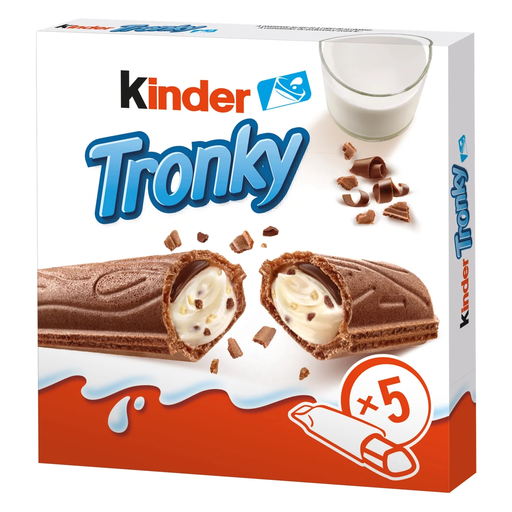 Image unavailable
Consider these if you’d like chocolate wafers to be one of the bites on your platter. Before serving guests with dietary requirements, check the number of portions and allergens on the pack.
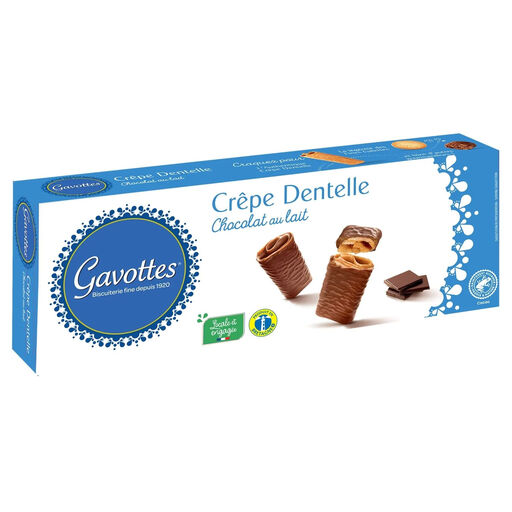 Image unavailable
These crisp crêpes dentelle are a good option if you’re looking for a crunchy bite to enjoy with coffee. The title lists 90 g and a pack of 6, so confirm the total quantity you’ll receive before working out how many platters you can make.
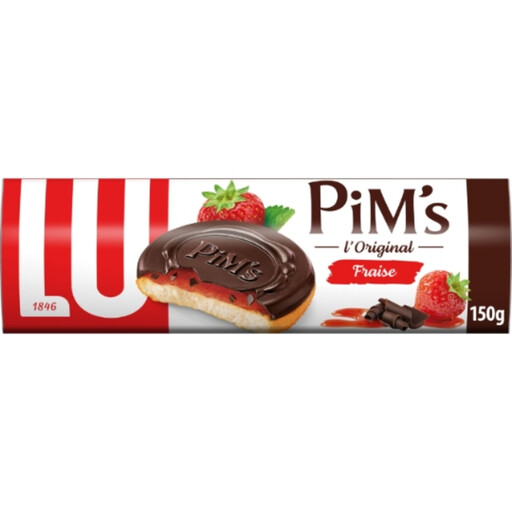 Image unavailable
This combination of sponge, strawberry and chocolate is worth considering if you’d prefer a fruity bite to a crisp biscuit. Check how many biscuits are in the pack so you can divide them between portions, and check the allergens on the packaging you buy.
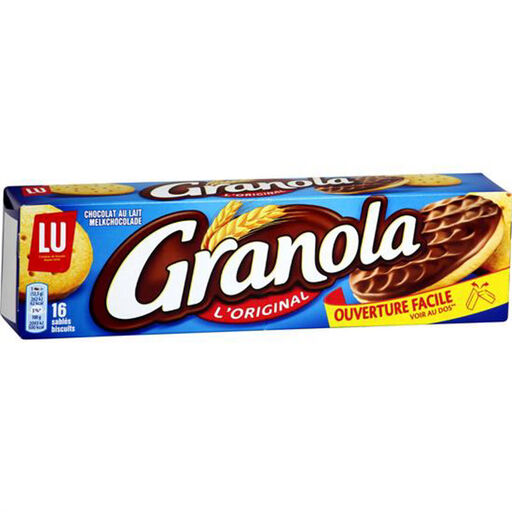 Image unavailable
This format is a good choice if you fancy a chocolatey shortbread biscuit with your coffee. Check how many biscuits are in the pack before arranging the platters. For guests with dietary requirements, also check the allergens and any “may contain” warnings on the pack.
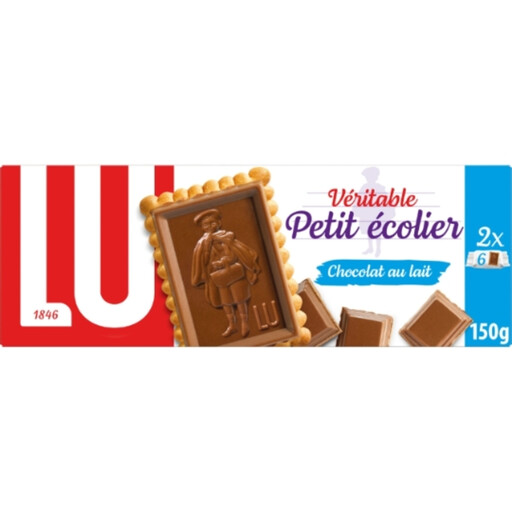 Image unavailable
The petit-beurre biscuit paired with chocolate is one to consider if you’re putting together a platter with other treats. Don’t confuse it with a fully coated biscuit; check the number of biscuits and the label for the product you choose.
No. The Ministry of the Economy says that displaying it is optional. The DGCCRF explains that nutrition declarations are mandatory for prepacked foods, subject to the exceptions set out in European regulations.
Compare their nutritional information per 100 g, including energy, fat, saturates, sugars and salt. Also check the ingredients and the portion sizes you plan to serve.
Read the ingredients list and any “may contain” warnings on the pack you’ve bought. Depending on the recipe, you may need to check for wheat, milk, soya, egg or nuts, among other things. The DGCCRF reminds consumers that allergens in prepacked products must be highlighted in the ingredients list.
Follow the instructions on each pack and plan your platters around the pack size. For example, the St Michel product information for its Madeleinettes chocolat éclats de pralin says to store them in a dry place, away from heat and light. Follow the specific instructions for every other product.
No. This claim relates to gluten and doesn’t mean the biscuit is free from milk, soya, egg or nuts. Check all relevant allergens on the exact product packaging before offering it to anyone.