For a more indulgent coffee break
If you’re looking for a biscuit and chocolate combination, compare the recipes and how many you’ll serve with your coffee. The nutrition information shows sugars and saturated fat per 100 g.


To enjoy with your coffee, choose individually wrapped packs if you’ll be taking biscuits with you or handing them out, a multipack if you regularly serve them to several people, or an assortment if you’d like to offer a choice of recipes. Then compare the nutrition information per 100 g, the amount you’ll serve and the allergens: the packaging format alone doesn’t tell you what’s in the biscuits.
If you’re looking for a biscuit and chocolate combination, compare the recipes and how many you’ll serve with your coffee. The nutrition information shows sugars and saturated fat per 100 g.
If several people regularly have a biscuit, check the pack weight, the number of biscuits and how to store them after opening. An assortment offers variety, but you’ll need to check each recipe.
If ingredients determine your choice, read the ingredients list and allergen information for the exact product. The DGCCRF notes that Nutri-Score is voluntary: if it appears on the pack, it doesn’t replace this information.
For a coffee break, start with anything that might rule out a recipe, particularly allergens. Then choose a pack format to suit where you’ll be serving the biscuits and how many people will be sharing them.
| Criteria | What to check | Who is this for? |
|---|---|---|
| Nutrition | Compare sugars and saturated fat per 100 g, then consider how much you plan to serve. | If the ingredients matter more to me than the type of biscuit, I want to be able to compare two recipes even when the serving sizes differ. This could be a priority for around 33% of consumers. |
| Allergens | Check the ingredients for allergens and look for any ‘may contain’ statements on the exact packaging. | Before offering biscuits to someone with an allergy, I need to know the ingredients in each recipe. This would be the top priority for around 25% of consumers. |
| Sharing packs | Check the net weight, the number of biscuits and the storage instructions for after opening. | When we often have coffee together, I look for a pack with enough biscuits for the breaks we have planned. Around 25% of consumers would prioritise this type of format. |
| Portions to take with you | Check whether the biscuits come in individual packs and how many there are. | For a coffee break away from home, I’d rather take a separate portion than carry an already-opened pack. Convenience would be the top priority for around 17% of consumers. |
The contribution described by the Ministry of the Economy applies to sugary drinks, not to a category of chocolate biscuits. It therefore won’t help you choose between two packs.
To compare biscuits, check their ingredients and nutrition information instead.
According to the DGCCRF, displaying Nutri-Score is voluntary. Even when it appears on a pack, the logo doesn’t list the ingredients or allergens.
Use it as an additional guide, and read the nutrition information per 100 g as well as the ingredients list.
An assortment may contain biscuits with different ingredients. The ingredients in one biscuit don’t tell you whether the others are suitable for the same people.
Check the full ingredients list and allergen information for the assortment you’re planning to serve.
LU’s range includes Petit Écolier biscuits, which combine biscuits and chocolate.
BN may appeal if you’re looking for individual portions: the Auchan product listing for BN Choc’land 150 g states that it contains four packs.
Milka LU 87 g combines biscuits with milk chocolate, making it a good fit if that’s exactly what you’re after with your coffee.
Carrefour’s range includes chocolate-flavoured filled biscuits and chocolate-hazelnut biscuits, sold in different pack formats.
Auchan offers individually wrapped biscuit bars and assortments of chocolate biscuits, suited to different ways of serving a snack.
These products cover a range of ways to enjoy biscuits with coffee: chocolate biscuits to serve individually, portions to take with you and a multipack to share. Their recipes and packaging formats aren’t interchangeable.
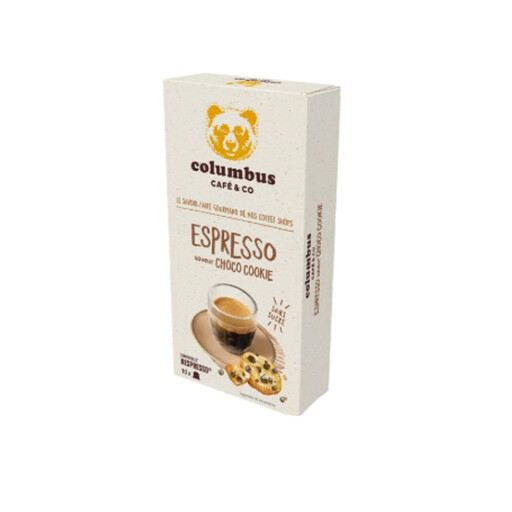 Image unavailable
Worth considering if you’d like to serve cookies with coffee and share the ten pieces in the pack. If anyone you’re serving has an allergy, check the information about wheat, milk and soya.
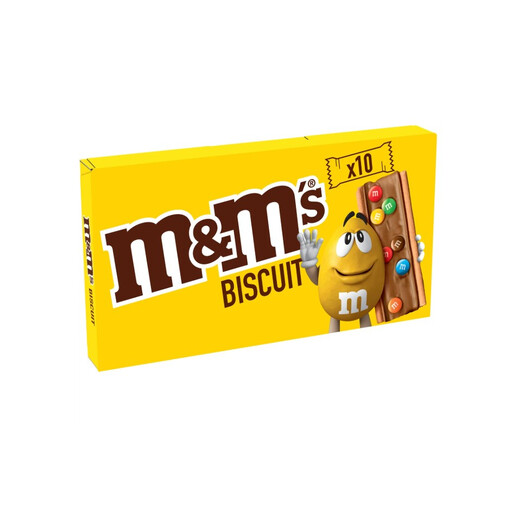 Image unavailable
The individually wrapped portions are handy for taking with you or sharing among several people. For allergen information, check the packaging for wheat, barley, milk and soya, and for possible traces of peanuts.
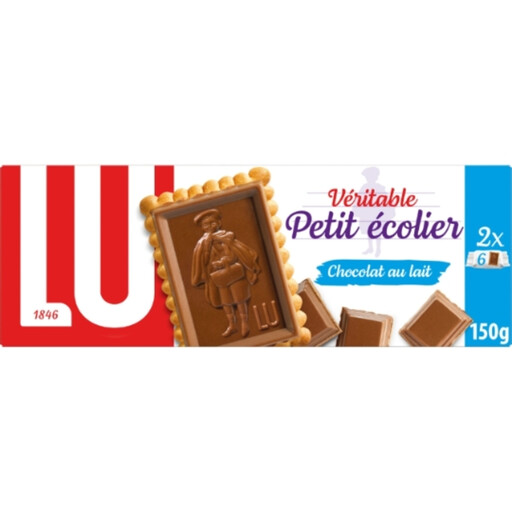 Image unavailable
This pack combines a butter biscuit with a milk chocolate coating for a coffee break treat. Check the exact packaging for the ingredients, including wheat, milk and soya.
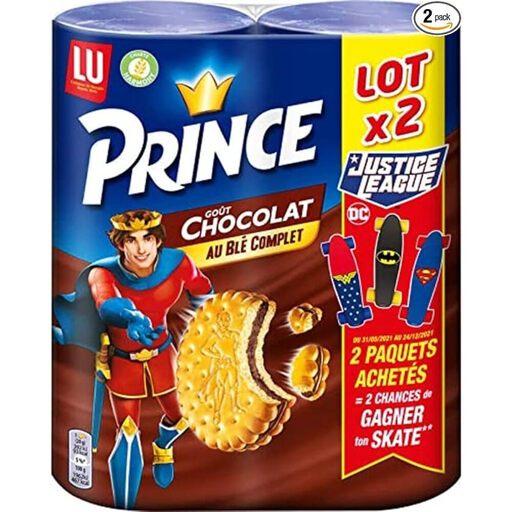 Image unavailable
This pack of two may suit households where several people regularly have a biscuit with their coffee. The filling is cocoa-flavoured, so don’t mistake it for a chocolate bar or a chocolate coating. Check the information about wheat, soya and milk.
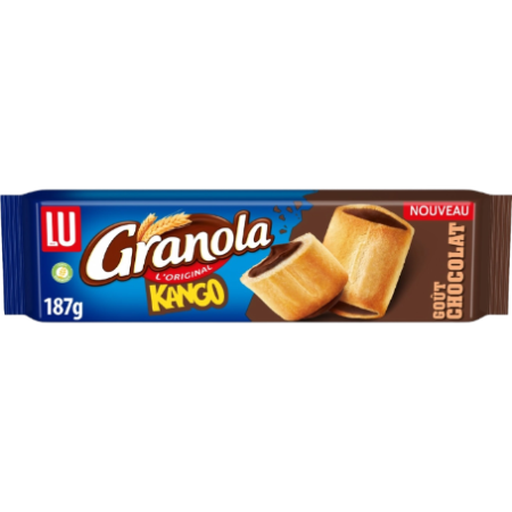 Image unavailable
Consider these if you prefer a shortbread-style biscuit with a chocolate filling alongside your coffee. If you’re planning to share them, check the number of biscuits on the pack, as well as the information about wheat, milk, eggs and soya, and possible traces of sesame.
No. The contribution known as the ‘soda tax’, as described by the Ministry of the Economy, applies to sugary drinks. When choosing biscuits, check their ingredients and the amount of sugars shown in the nutrition information instead.
No. The DGCCRF describes Nutri-Score as a voluntary label. Nutrition information, on the other hand, is required for most prepacked foods, subject to applicable exemptions. It shows, among other things, sugars and fat per 100 g.
Compare their nutrition information on the same per-100 g basis, then consider how much you’ll actually serve. The net weight and number of portions can help you choose a format; check the ingredients and allergens for each recipe.
First check the ingredients, allergens and the total amount being served as part of the snack. For children aged 4 to 17, Santé publique France recommends limiting foods high in fat and sugar, and advises avoiding biscuits with a Nutri-Score E in particular. This voluntary logo doesn’t appear on every product.