For several lunchboxes, choose a pack that clearly states the number of biscuits and whether they are individually wrapped. A resealable packet is handy for sharing over several breaks, while a multipack of larger packets gives you more quantity but doesn’t necessarily provide individual portions. In either case, check the allergens and nutritional information for the exact product; in France, the Nutri-Score may be displayed voluntarily, as Santé publique France explains.
Who are these formats for?
People preparing lunchboxes
If the biscuits need to go into several lunchboxes, the number of biscuits and whether they’re individually wrapped matter more than the packet’s total weight. The label on each product also lets you check the allergens before handing out the snacks.
People organising a shared spread
For a table at a neighbourhood fair or a shared snack, the amount to serve, how easy it is to hand out and what you can do with the packet once opened all help you choose between individually wrapped biscuits, a resealable packet and a larger format.
People who pay close attention to labels
To compare two recipes, read the ingredients, allergens and sugars per 100 g, then check the amount per portion if that information is given on the packet. Where it appears, the Nutri-Score offers additional information: Santé publique France explains that displaying it is voluntary.
What should you look for first?
When choosing chocolate biscuits for a neighbourhood fair, start with your main priority: separating snacks, serving a group, checking the label or getting the right amount.
Biscuits to portion out
Choose this if: the biscuits need to go into several lunchboxes or be handed out individually.
Bear in mind: a multipack doesn’t necessarily mean that each biscuit has its own wrapper.
Resealable packet
Choose this if: a small group will share the biscuits on the spot or over several breaks; Carrefour France, for example, lists a 300 g resealable packet of Prince LU biscuits.
Bear in mind: you’ll need to prepare portions for separate lunchboxes yourself.
Large format or multipack
Choose this if: you know how much you need and can portion out the biscuits before serving.
Bear in mind: the total weight doesn’t tell you how many portions there are or whether the biscuits are individually wrapped inside.
| What matters to you |
What to check |
Who it’s for |
| Portioning out snacks |
Number of biscuits and whether each one is individually wrapped. |
When filling several lunchboxes, I want to separate the biscuits without opening a shared packet. Around 29% of consumers would put this first. |
| Serving a group |
Net weight and whether the packet can be resealed. |
At a neighbourhood get-together, I need to serve several people and know what to do with the opened packet. Around 24% of consumers would put sharing first. |
| Checking the label |
Ingredients and allergen information; sugars per 100 g and, if stated, per portion. |
If the biscuits are for several people, I need to know what’s in the product I’ve bought before handing it out. Around 29% of consumers would make checking the label their priority. |
| Getting the right amount |
Net weight, number of packets or biscuits, and how much the group needs. |
For a small gathering, I’d rather choose an amount we can actually use. Around 18% of consumers would prioritise getting the quantity right. |
Mistakes to avoid
-
Assuming the tax on sugary drinks applies to biscuits
The Bulletin officiel des finances publiques-Impôts describes a levy on certain non-alcoholic drinks containing added sugars, not solid chocolate biscuits. This tax isn’t a factor when comparing these packets.
To compare recipes, look at the sugars listed in the nutritional information and the portion sizes instead.
-
Ruling out a packet without a Nutri-Score
According to Santé publique France, producers can choose whether to display the Nutri-Score. Its absence alone doesn’t tell you what a biscuit is made of.
If it’s shown, use it to help compare similar products, then check the ingredients and nutritional values too.
-
Choosing a large packet based on weight alone
A high net weight doesn’t tell you how many portions you can serve or whether the contents are divided into smaller packets. A packet that works well for sharing at a table may need extra preparation for lunchboxes.
Estimate how many people you’ll be serving and check the inner packaging before choosing a format.
If there are any biscuits left after sharing, follow the storage instructions on the packet.
-
Relying on the product category instead of checking allergens
Two chocolate biscuits can contain different ingredients and have different ‘may contain’ warnings. Information for another format, even from the same brand, isn’t a substitute for checking the product you’re handing out.
Check the allergens highlighted in the ingredients list and any ‘may contain’ warnings on the exact packet.
Brands to consider
These examples show how packaging can vary; check the format and recipe for each specific product.
LU
Carrefour France lists LU Prince tout chocolat biscuits made with whole wheat in a 300 g resealable packet, which may suit sharing over several breaks.
- The resealable opening is handy if you won’t finish the packet in one go.
- It doesn’t provide individual portions: check the packaging if you need to divide the biscuits between several lunchboxes.
BN
Carrefour France lists a 285 g packet of BN milk chocolate biscuits. Its weight makes it easy to compare with other formats intended for sharing.
- This product is worth considering for a snack where you already know how much you need.
- The packet’s weight doesn’t confirm that it contains individually wrapped portions; check the packaging before preparing lunchboxes.
Milka
The biscuit and cake range shown by Milka France includes several chocolate products in different pack sizes. Before choosing, check the exact product category and item rather than relying on the brand name alone.
- Different formats let you compare options for an individual snack and for sharing.
- Don’t assume that the nutritional information and packaging for one Milka product apply to another.
Carrefour Bio
Carrefour France lists a 200 g packet of Carrefour Bio oat and whole-wheat biscuits coated in milk chocolate.
- You can check the ingredients list and allergen information for this product before sharing it.
- The organic label doesn’t replace checking the sugars, fat and allergens in the packet you choose.
P’TIT DELI / Marque Repère
E.Leclerc lists milk chocolate mini shortbread biscuits in a pack of 4 under its Marque Repère range: an example of packaging to consider when portioning out snacks.
- The ‘pack of 4’ label gives you a starting point for working out how many packs you need.
- Also check what’s in each pack and read the label for the exact product you choose.
Formats to explore on Joybuy
This selection includes multipacks of biscuits or chocolate wafers for portioning out snacks, as well as Prince packets to consider for sharing. Labels such as ‘x 10’, ‘3 x 300 g’ and ‘2 x 300 g’ describe quantities, but don’t necessarily mean the biscuits are individually wrapped.
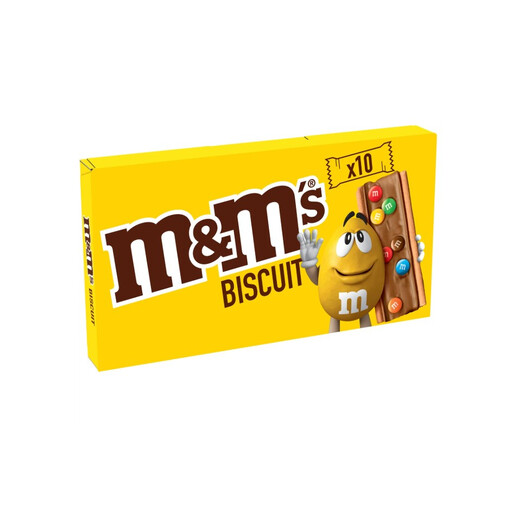 Image unavailable
M&M’s Biscuit Pocket x 10, 198 g
Worth considering if you want to share ten biscuits between several snack breaks. The packet states a total weight of 198 g; check the packaging to see whether each biscuit is individually wrapped, and check the allergens before handing them out.
View on Joybuy
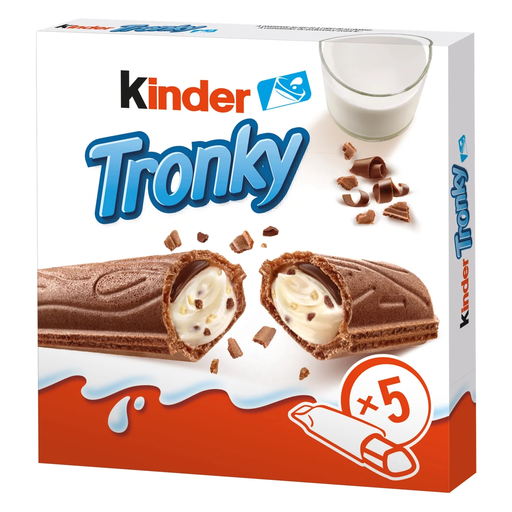 Image unavailable
Kinder Tronky milk chocolate wafers, 90 g
Worth considering if you’d prefer wafers to filled biscuits for a snack. The packet states a weight of 90 g; check the number of pieces, how they’re wrapped and the allergens if you plan to share them between several people.
View on Joybuy
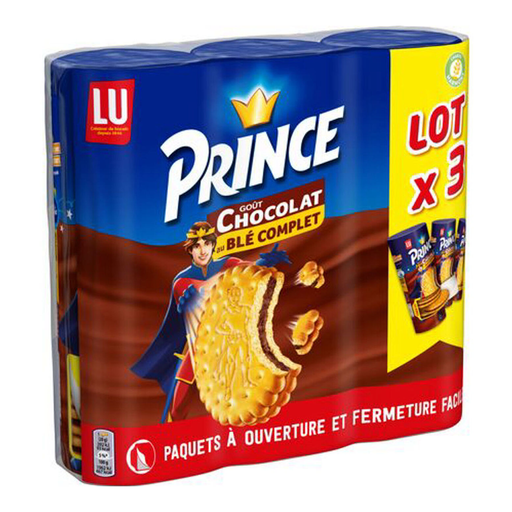 Image unavailable
LU Prince whole-wheat biscuits filled with chocolate, 3 x 300 g
Worth considering if you need several packets for sharing or for snacks over a few days. The multipack contains three 300 g packets; check the inner packaging if you need the portions to be individually wrapped.
View on Joybuy
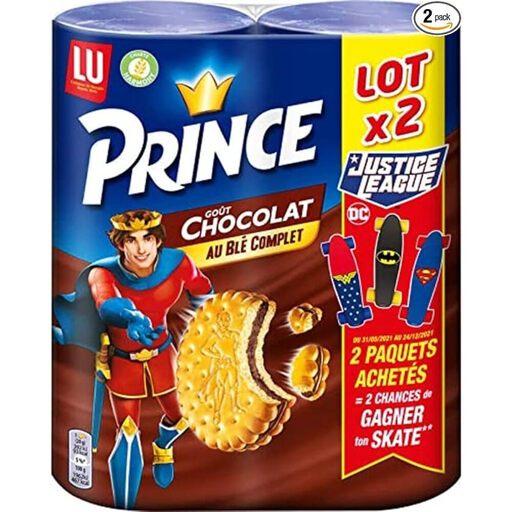 Image unavailable
PRINCE chocolate biscuits, 2 x 300 g
Worth considering if two 300 g packets are the right amount to serve or keep for another break. This multipack doesn’t specify how the biscuits are packed inside each packet, so check if you’re preparing lunchboxes.
View on Joybuy
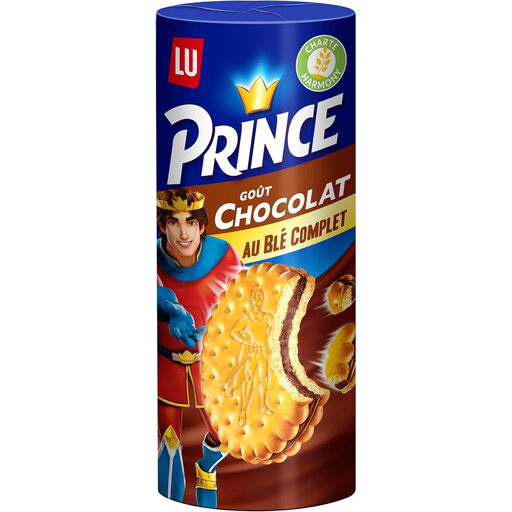 Image unavailable
LU Prince whole-wheat biscuits filled with chocolate, 300 g
Worth considering if you want to share a single 300 g packet. This isn’t a multipack, so if you need to give each lunchbox a separate portion, check the packaging and plan how you’ll divide the biscuits.
View on Joybuy
Frequently asked questions
Does the tax on sugary drinks apply to chocolate biscuits in France?
No. A solid biscuit isn’t subject to it simply because it contains sugar. The Bulletin officiel des finances publiques-Impôts describes a levy on certain non-alcoholic drinks containing added sugars. When choosing biscuits, check the sugars in the nutritional information rather than using this tax as a filter.
Does every packet of biscuits have to display the Nutri-Score?
No. Santé publique France explains that producers can choose whether to display the Nutri-Score in France. If it appears on two comparable products, you can consider it alongside their nutritional values and ingredients; its absence alone doesn’t determine how a product is rated.
What should I check before putting these biscuits into several lunchboxes?
First, check whether the number of packets and what’s in each one suit the way you plan to portion them out. Then read the ingredients, highlighted allergens and any ‘may contain’ warnings on the exact packet, as these can vary between recipes.
Does a multipack replace individually wrapped portions?
Not necessarily. A label such as ‘2 x 300 g’ tells you there are two packets and gives their weight, but it doesn’t mean each biscuit is individually wrapped. If you’re handing them out individually, check the inner packaging before choosing the multipack.


