Anyone organising a short break
You need to serve a group quickly, so the number of biscuits, pack weight and whether they can be shared out easily all matter when you’re choosing.


For a coffee break during a meeting, start by considering how you’ll serve the biscuits and the recipe you’re looking for. A simply coated biscuit is a good choice if you specifically want a chocolate-coated biscuit, while a coated wafer or a filled, glazed biscuit offers a different texture. Before working out quantities, check the pack size, ingredients, allergens and nutritional information for each product. A chocolate-filled biscuit without a coating won’t meet the same requirement.
You need to serve a group quickly, so the number of biscuits, pack weight and whether they can be shared out easily all matter when you’re choosing.
Before putting biscuits on a shared table, you want to compare nutritional information and check the allergens in the exact product, rather than relying on the word ‘chocolate’ alone.
You’re considering a coated wafer or a filled, glazed biscuit, while also taking into account the pack size and ingredients of each recipe.
For a coffee break during a meeting, start with the number of people you’re serving. Then choose the texture you want and check the label of the product you’ve selected.
| What matters | What to check | Who it matters to |
|---|---|---|
| Serving the group | Net weight, number of biscuits or portions, and whether individual packs are included. | When I need to serve several colleagues quickly, I want to make sure there are enough biscuits and that they’re easy to share out; around 40% of consumers would prioritise this need when serving a group. |
| Texture and recipe | Tell the difference between a coated biscuit, a filled and coated wafer, and a filled biscuit with a glaze. | If the break is a chance to offer a particular texture, I’ll first choose between a crunchy biscuit, a wafer and a multi-layered recipe; around 30% of consumers would make this their priority. |
| Ingredients and allergens | Compare sugars and saturated fats per 100 g; read the ingredients, allergens and any ‘may contain’ warnings. | Before sharing a pack, I want to be able to check its ingredients and spot any listed allergens; around 30% of consumers would put this check first. |
The Ministry of the Economy describes this levy as applying to sugary drinks, not as a tax specifically on chocolate-coated biscuits.
When choosing biscuits, focus instead on their format and label. Consider any drinks served with the coffee separately.
In France, the DGCCRF and Santé publique France describe Nutri-Score as a voluntary label. So its absence doesn’t, by itself, mean a biscuit is labelled incorrectly.
Compare the nutritional information, ingredients and allergens for the exact product, whether or not it displays the logo.
The Joybuy product pages for LU Petit Cœur Choco'Croc and Milka Choco Suprême each list 43 g of sugars per 100 g. The Auchan page for the filled and coated Oreo lists 49 g per 100 g. These figures apply to these specific products, not to their brands as a whole.
Compare the per-100 g figures on the packs you’re considering, then adjust how many you buy to suit the number of people attending.
The BN chocolate-flavour filled biscuit described by Joybuy isn’t presented as coated. A coated wafer and a filled biscuit with a glaze also offer different textures.
If a chocolate coating is essential, read the product name and recipe description before ordering.
Petit Cœur Choco'Croc is a crunchy biscuit coated in milk chocolate, sold in a 90 g box.
Choco Suprême is a wafer filled with a cocoa-flavoured filling and coated in milk chocolate, rather than a simply coated biscuit.
The product described by Auchan combines a cocoa biscuit, a vanilla-flavour filling and a chocolate-flavour glaze.
The BN chocolate-flavour filled biscuit is another option if a coating isn’t essential.
Carrefour lists Carrefour Extra chocolate-coated wafers in a 150 g pack.
This selection on Joybuy includes simply coated biscuits, coated wafers and lace crêpes coated in milk chocolate. For a meeting, check the pack sizes before working out how many packs you’ll need.
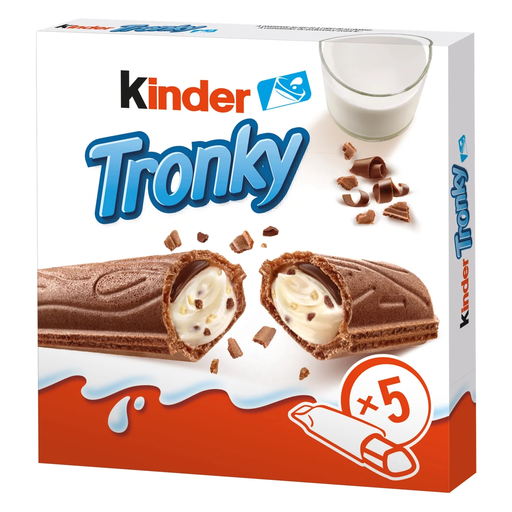 Image unavailable
Worth considering if individually wrapped portions are important: the 90 g pack contains five individually wrapped pieces. The recipe combines a cocoa wafer, a milk filling and a milk chocolate coating. Check the packaging if anyone has allergies, particularly to wheat, milk, soya or hazelnuts.
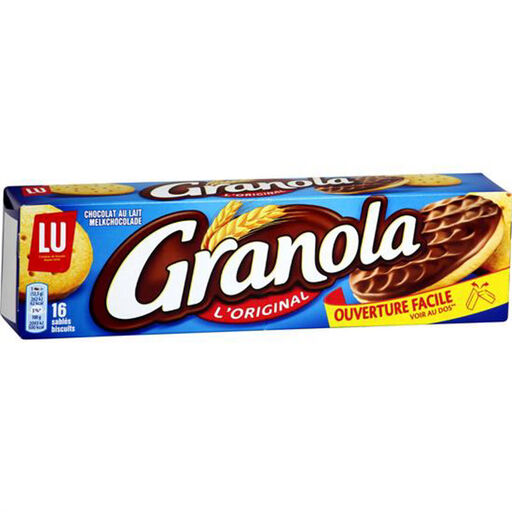 Image unavailable
A good choice if you’d like to serve shortbread covered in milk chocolate with coffee. Check how many biscuits are in the pack before planning how many you’ll need. The product page lists wheat, milk and soya, and warns that it may contain traces of nuts. Reseal the pack after opening and follow the storage instructions.
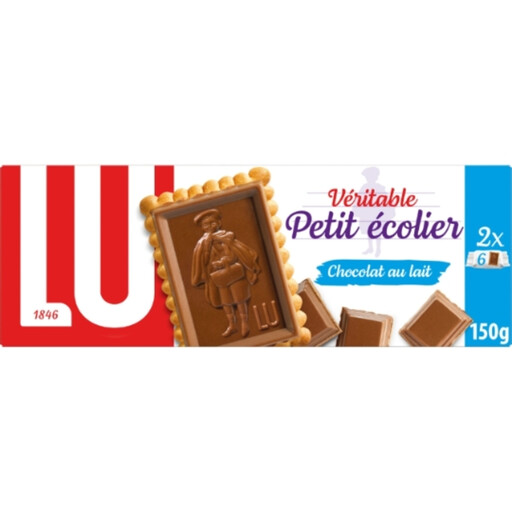 Image unavailable
For a coffee break when you’d prefer a butter biscuit covered in milk chocolate to a filled wafer. Check how many pieces you’ll need for the group and check the allergens on the exact pack. The listed ingredients include wheat, milk and soya.
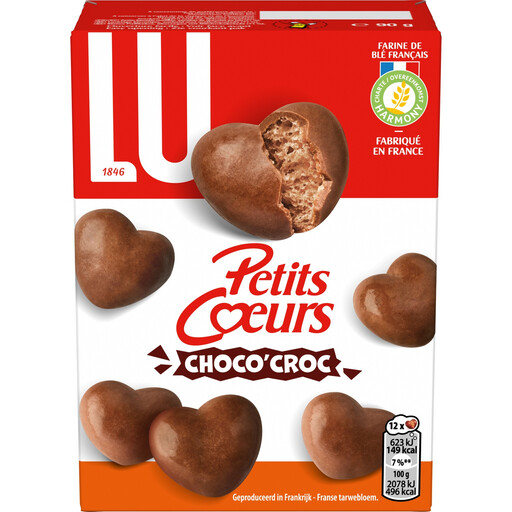 Image unavailable
For serving a crunchy biscuit coated in milk chocolate rather than a filled recipe. The product page lists 43 g of sugars and 14 g of saturated fats per 100 g. Check there are enough pieces for the group and check the allergens on the packaging; the listed ingredients include wheat, milk and soya.
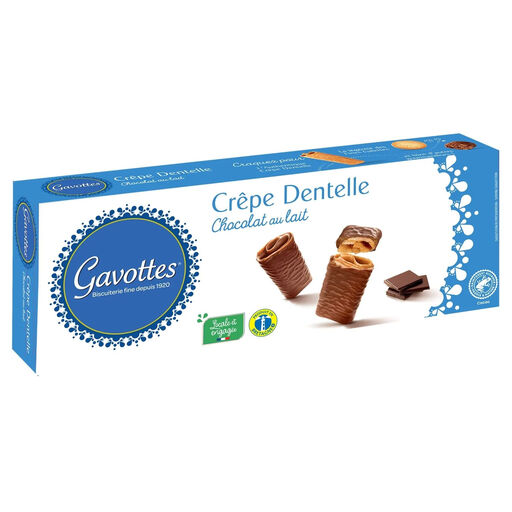 Image unavailable
Serve these lace crêpes coated in milk chocolate alongside coffee. Before working out quantities for the meeting, confirm the pack size: the title states 90 g and a pack of 6, while the description mentions 90 g. Check the packaging for allergens too; the listed ingredients include wheat, milk and soya.
No. The Ministry of the Economy describes this levy as applying to sugary drinks; it isn’t a tax specifically on coated biscuits. When choosing biscuits, compare their pack sizes and nutritional information.
No. The DGCCRF describes Nutri-Score as a voluntary label. Check the ingredients, allergens, nutritional information, net quantity and date on the packaging. If the logo appears on comparable products, you can take it into account too, but don’t make it your only criterion.
Read the ingredients, highlighted allergens and any ‘may contain’ warnings on the exact pack. The LU, Milka and Oreo products described on their product pages include wheat, milk or soya. The Milka Choco Suprême wafer also warns that it may contain traces of egg and nuts. Don’t assume these details apply to every product from the same brand.
Follow the pack instructions and check the date shown. The product pages for the LU, Milka and Oreo products reviewed recommend storing them in a cool, dry place, away from heat and moisture.