Students taking a break on the go
A small pack, coated sticks or individual portions make it easy to set aside an amount before you leave. Check the weight of the pack or sachet: a set pack size won’t necessarily be the right portion for you.


For a break while revising, start by choosing between biscuits topped with a chocolate bar, coated sticks and individually wrapped chocolate-topped biscuits. Think about the texture you fancy and how much you want to take with you. Then compare the nutritional values per 100 g with the amount you plan to eat. Individual wrapping, an organic label or the absence of a Nutri-Score logo aren’t enough on their own to judge a product’s composition.
The right format depends mainly on where you’ll take your break, how much you plan to have and what kind of biscuit you fancy.
A small pack, coated sticks or individual portions make it easy to set aside an amount before you leave. Check the weight of the pack or sachet: a set pack size won’t necessarily be the right portion for you.
If you’re tempted by several chocolate biscuits, the nutritional information per 100 g gives you a common basis for comparison. Check the ingredients and allergens separately from the Nutri-Score, if one is shown.
A chocolate bar on a biscuit, a chocolate topping and coated sticks are all different formats to eat. Check the exact variant too if you’re looking for dark or milk chocolate, or a particular recipe feature.
First, choose a format that suits your break. Then compare the labels of the products you’re interested in on a like-for-like basis.
| What to consider | What to check | Who is it for? |
|---|---|---|
| Nutritional information | Compare sugars, saturated fatty acids, fibre and salt per 100 g, then consider how much you’ll eat. Use the Nutri-Score if one is shown. | When two biscuits look similar, I want to compare their values on the same basis rather than rely on the packaging. Around 45% of consumers prioritise this nutritional comparison. |
| Format and quantity | Check the net weight, number of sachets and, if stated, the quantity per biscuit. Follow the storage instructions when taking them with you. | When I’m packing a break in my bag, I prefer to know how much I’m taking without opening a large pack. Format and quantity are the top consideration for around 33% of consumers. |
| Chocolate and recipe | Tell apart chocolate bars, toppings and coated sticks; check the type of chocolate, ingredients and allergens for your chosen variant. | If I’m after a chocolate bar rather than a topping, or dark chocolate rather than milk, the recipe guides my choice. This is the top priority for around 22% of consumers. |
The French Ministry of the Economy explains that Nutri-Score is optional in France and supplements the mandatory nutrition declaration for the relevant prepacked foods. So if it’s not shown, you should still read the nutritional values and ingredients list.
According to the French Ministry of the Economy, this logo is optional in France. A box without the logo may still carry the information you need to compare nutritional values.
Compare the values per 100 g and check the Nutri-Score when it appears on your chosen product, but don’t treat it as the only deciding factor.
These labels describe how a product is made or packaged; they don’t tell you its nutritional values on their own. For example, E.Leclerc’s listing for the Bio Village chocolate-topped biscuit shows both an organic label and a Nutri-Score E.
Keep these features in mind if they matter to you, but check the nutritional information and the amount you plan to have separately.
The chocolate biscuit listings consulted mention wheat, milk and soya, depending on the recipe, and sometimes possible traces of eggs or nuts. Switching from milk chocolate to dark chocolate doesn’t mean you can skip checking the label again.
If you have an allergy, check the ingredients list and any precautionary trace warnings on the packaging of the variant you’re buying before eating it.
A pack of sticks, a box of biscuits with a chocolate bar and individually wrapped portions don’t define the amount in the same way. The total weight doesn’t tell you how many pieces you plan to eat.
Check the net weight and, where stated, the number of sachets or weight per biscuit before packing your break.
These products illustrate differences in format and recipe. Details on one product listing won’t automatically apply to other biscuits from the same brand.
Petit Écolier pairs a biscuit with a chocolate bar, while Mikado offers coated sticks. The choice is as much about the shape and format as the type of chocolate.
Doonuts topped with chocolate are a soft cake option, unlike a crisp biscuit with a chocolate bar.
The milk chocolate-topped biscuits in this range offer a retailer own-brand option to compare with other chocolate-topped biscuits, rather than only with chocolate-bar formats.
The round biscuit topped with milk chocolate gives you another retailer own-brand option to compare for format, recipe and label information.
Auchan’s individually wrapped chocolate-topped biscuits and the Pouce product let you compare portioned packaging with another pack of chocolate-topped biscuits.
This selection includes coated sticks and biscuits with dark or milk chocolate for a revision break. Choose the format that suits you, then check the ingredients and allergens for your chosen variant.
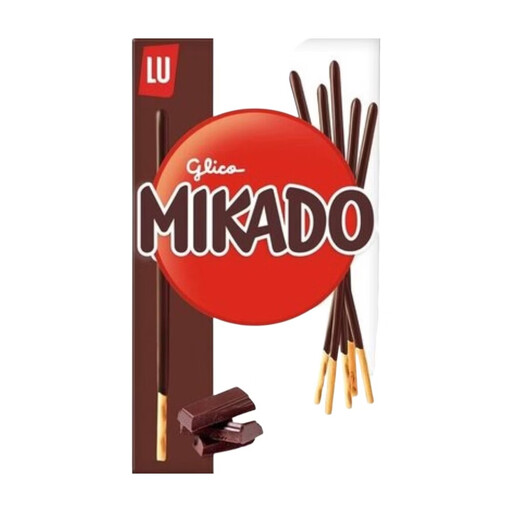 Image unavailable
Dark chocolate-coated sticks to consider if you want to take a break with you and choose your amount one stick at a time. Check the ingredients and allergens on the pack.
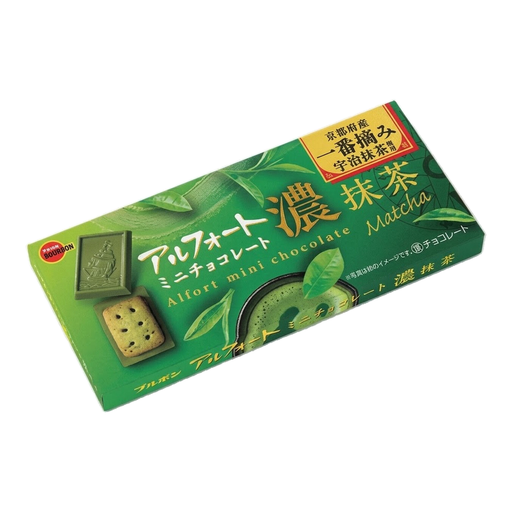 Image unavailable
A small-piece format for a break when you want to decide in advance how many biscuits to take with you. This variant combines dark chocolate and matcha. Check the packaging if the recipe or its allergens affect your choice.
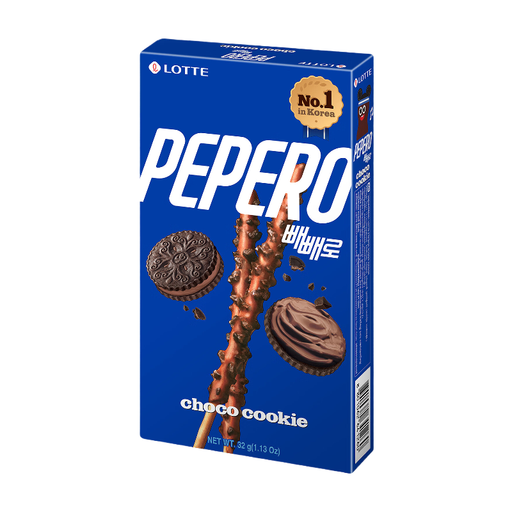 Image unavailable
A pack of chocolate-coated sticks to consider if you prefer this format to a biscuit with a chocolate bar. The pack weighs 32 g; check what amount suits you and read the allergen information before choosing it.
 Image unavailable
A biscuit with a chocolate bar to consider if you specifically want dark chocolate rather than coated sticks. The pack weighs 150 g, so choose how many biscuits you want for your break and check the allergens for this variant.
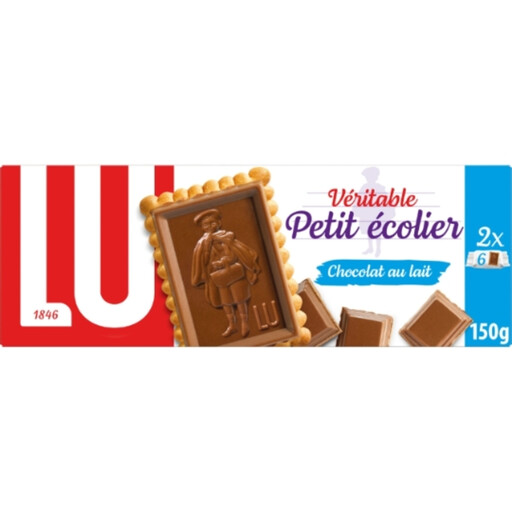 Image unavailable
This biscuit with a chocolate bar is a good choice if you prefer milk chocolate to dark. The Joybuy France listing for this product states that it contains 48% milk chocolate. Compare the nutritional information per 100 g too, and decide how many biscuits you’d like to eat.
No. According to the French Ministry of the Economy, displaying it is optional and it supplements the mandatory nutrition declaration for the relevant prepacked foods. Even without the logo, you can still compare values per 100 g and read the ingredients list.
Check the packaging for the variant you’re buying. Depending on the recipe, the products consulted mention wheat, milk or soya, and sometimes possible traces of eggs or nuts. The French Ministry of the Economy explains that allergenic ingredients in prepacked foods must be emphasised in the ingredients list.
Follow the storage instructions for your chosen product. In particular, keep it away from heat and moisture when the packaging advises this. If you’re taking a few biscuits from a large pack, use a suitable container rather than assuming the whole pack is one portion.
No. The organic label and Nutri-Score provide different information. E.Leclerc’s listing for the Bio Village chocolate-topped biscuit shows an organic label and a Nutri-Score E. When choosing, also check the nutritional values, ingredients and how much you plan to eat.