For a crumb base, start with a plain biscuit, such as a plain Digestive or petit-beurre, then decide whether you want the chocolate to be part of the recipe or already on the biscuit. A chocolate-topped petit-beurre keeps the biscuit and chocolate distinct; a filled biscuit is better suited to recipes that can accommodate filling in the pieces than to a base that needs even crumbs.
Who are these biscuits for?
For making a biscuit base
If your recipe calls for crumbs for a cheesecake, tart or layered dessert, start by looking at plain biscuits, particularly plain Digestives and petit-beurres. Then check whether any chocolate on the biscuit is suitable for the base you’re making.
For keeping chocolatey pieces intact
A chocolate topping, filling and coating each give biscuit pieces a different texture. Choose according to the role the biscuit and chocolate need to play in your recipe, rather than swapping one type for another without checking the recipe.
For checking ingredients and allergens
Before cooking for a group, read the label on the product you’ve bought: wheat, milk, soya and ‘may contain’ allergen statements vary between biscuits. The European Commission notes that allergens used as ingredients must be emphasised in the ingredients list in the European Union.
What should you look for?
When choosing chocolate biscuits for a recipe, start with the texture you need, then check the type of chocolate and the label on your chosen product.
| What to consider |
What to check |
Who is this for? |
| Crumb base |
Does the recipe call for a plain biscuit, Digestives or petit-beurres? Does your chosen product have a filling? |
For a cheesecake or tart base, I first want crumbs that give me the texture the recipe calls for. Around 42% of consumers would make this their priority. |
| Type of chocolate |
Check whether the chocolate is a topping, coating or filling, and read the biscuit’s product description. |
If I want the pieces to remain recognisable in my dessert, I consider the role of the chocolate as well as the biscuit. This type and texture would come first for around 33% of consumers. |
| Label |
Compare sugars and saturated fat per 100 g; also read the ingredients, allergens and any ‘may contain’ statements. |
When I’m cooking for people whose dietary requirements I need to know about, the exact ingredients in the pack guide my choice. This would be the main consideration for around 25% of consumers. |
Common mix-ups to avoid
-
Assuming the name ‘Digestive’ means it has a particular nutritional profile
A biscuit’s name doesn’t tell you how much sugar it contains or whether it’s suitable for a particular diet. Carrefour France’s Digestive Original, for example, contains wholemeal wheat flour and sugar.
First choose a biscuit with the texture your recipe needs, then check the ingredients and nutrition information on the pack.
-
Swapping a plain biscuit for a filled one without adapting the recipe
A chocolate-topped petit-beurre has a distinct layer of chocolate, while a filled biscuit has a filling inside. These textures may not work for a recipe that calls for an even crumb base.
If the recipe specifies Digestives or petit-beurres, check the texture it calls for before using a filled biscuit or wafer instead.
-
Choosing based on the Nutri-Score alone
According to Santé publique France, displaying the Nutri-Score is voluntary. Whether or not it appears on the pack, it doesn’t replace the nutrition values or ingredients list.
To compare two products, check the sugars and saturated fat per 100 g, then consider how much you’ll use in your dessert.
-
Relying on the brand rather than the pack for allergen information
Ingredients and ‘may contain’ statements vary between products. For example, Carrefour France’s product listing for LU Petit Écolier noir says it may contain nuts; this doesn’t apply to every LU biscuit.
Check the label on every variety you use, especially if you’re sharing the dessert with someone who has an allergy.
Brands to know for these types of biscuit
McVitie’s
Carrefour France describes its Digestive Original as a cereal biscuit with a crunchy texture, made with wholemeal wheat flour.
- Worth considering when a recipe calls for a plain biscuit to crumble.
- The product described is plain, so don’t assume it contains chocolate.
LU
Carrefour France’s Petit Écolier noir combines a petit-beurre biscuit with a piece of dark chocolate.
- This product contains 52% petit-beurre and 48% dark chocolate, so you can still identify both elements.
- It contains wheat, milk and soya, and may contain nuts. These details apply to the Petit Écolier noir described, not every LU variety.
BN
Auchan describes its chocolate-flavoured product as a filled biscuit, making it different from a Digestive or a chocolate-topped petit-beurre.
- The filling may work in a recipe where the pieces don’t need to form a uniform base.
- The 295 g product described by Auchan contains 32 g of sugars per 100 g. Check the ingredients and allergens for your chosen variety.
Milka
Auchan describes a product coated in milk chocolate, making it different from a filled biscuit or plain Digestive.
- This product contains 48% milk chocolate, so it may suit recipes where you want the chocolate to remain on the biscuit pieces.
- The same product contains 41 g of sugars and 12 g of saturated fat per 100 g. These figures don’t apply to the whole brand.
Carrefour Classic’
Carrefour France’s range includes petit-beurres topped with milk, dark or white chocolate, as well as filled biscuits.
- The difference between a chocolate topping and a filling makes it easier to look for the format your recipe calls for.
- Check the listing and pack for the format you choose: you can’t tell its ingredients or allergens from the range name alone.
Biscuits to consider on Joybuy
These products include a chocolate and matcha Digestive, chocolate-topped biscuits and filled biscuits. If you need a plain biscuit base, check your recipe before swapping one of these chocolate biscuits for a plain Digestive.
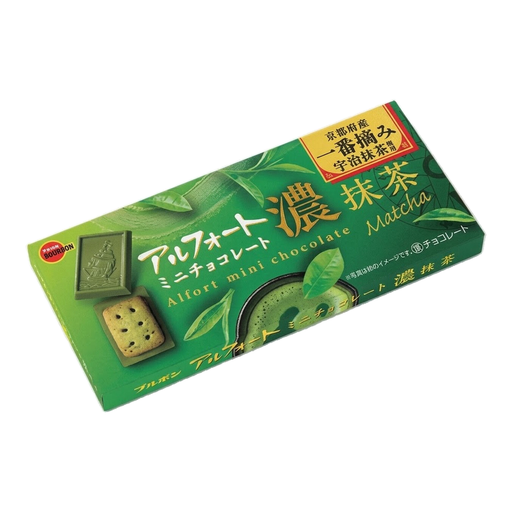 Image unavailable
Bourbon Alfort Mini Chocolate Dark Matcha, 12 biscuits, 60 g
Consider these if chocolate and matcha flavours suit your dessert. For a crumb base, check that the biscuit has the texture your recipe calls for; it isn’t a plain Digestive.
View on Joybuy
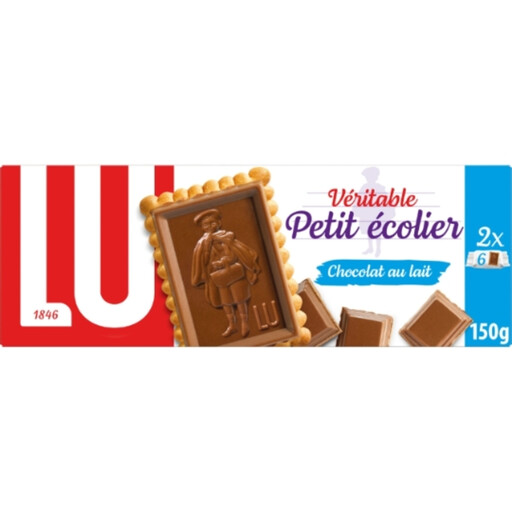 Image unavailable
LU Petit Écolier, biscuits topped with milk chocolate, 150 g
Worth considering for a recipe where the biscuit pieces and their milk chocolate topping can remain distinct. If your recipe needs a plain biscuit base, check whether the topping is suitable.
View on Joybuy
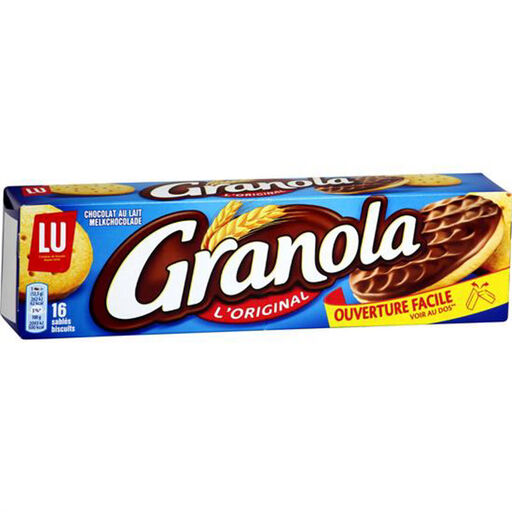 Image unavailable
LU Granola, shortbread biscuits topped with milk chocolate, 200 g
These shortbread biscuits are worth considering for a recipe that works with biscuits topped with milk chocolate. Don’t assume their texture will make the same kind of crumb base as the plain biscuit named in your recipe.
View on Joybuy
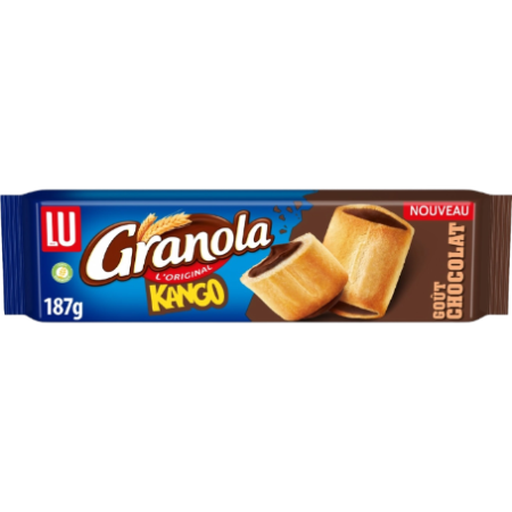 Image unavailable
GRANOLA Kango, chocolate-filled biscuits, 187 g
The filling makes these more suited to a recipe that can accommodate filled pieces than to a base made with fine, dry crumbs. If you need to take allergens into account, check the label on the pack you use.
View on Joybuy
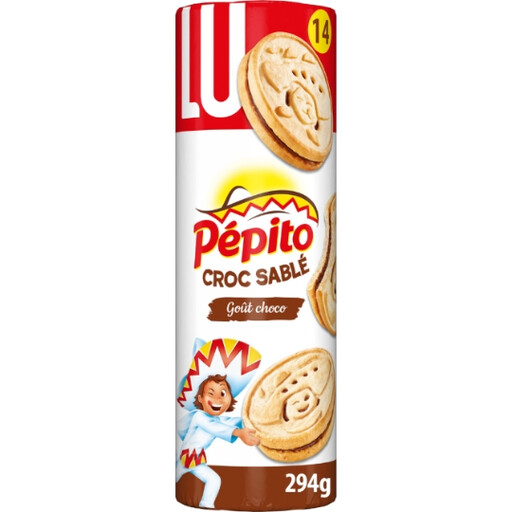 Image unavailable
LU PÉPITO Croc Sablé, biscuits filled with milk chocolate, 294 g
Consider these milk chocolate-filled biscuits if your recipe can accommodate a filling in the pieces. For a plain, even crumb base, check what the recipe needs before swapping them directly for Digestives.
View on Joybuy
Frequently asked questions
Does the French soft drinks tax apply to chocolate biscuits?
No. The French Ministry of the Economy describes this tax as applying to sugary drinks, not chocolate biscuits. To compare biscuits, check their ingredients and nutrition information instead.
Is the Nutri-Score compulsory on biscuits in France?
No. Santé publique France says that displaying the Nutri-Score is voluntary. The DGCCRF treats it separately from the nutrition declaration on pre-packed foods, which is compulsory subject to some exceptions. If a score isn’t shown, check the product’s nutrition information and ingredients.
Which allergens should you check when using these biscuits in a recipe?
Check the specific product you’ve bought rather than relying on the brand: the products described by Carrefour France and Auchan include wheat or milk, and some list soya or say they may contain other allergens. For pre-packed products sold in the European Union, the European Commission says that allergens used as ingredients must be emphasised in the ingredients list.
How should you store biscuits before using them for baking?
Follow the storage instructions and date on the pack of your chosen product. The Digestive and BN biscuit listings consulted recommend keeping them in a dry place; keep the packaging sealed until you’re ready to use them, too.


